IGI Certification for Lab Diamonds Explained
A diamond report can turn a beautiful online listing into a purchase you can compare with confidence. IGI certification for lab diamonds gives buyers an independent record of a diamond's key characteristics, helping you look beyond a carat number or a polished product photo when choosing an engagement ring, gift, or custom piece.
For many shoppers, an IGI report is part of the reassurance that makes lab-grown diamond jewelry feel like the smart luxury choice it is. But the report is not a shortcut to choosing the right diamond. Knowing what it measures, what it does not measure, and how to use it alongside videos and expert guidance is what makes the difference.
What Is IGI Certification for Lab Diamonds?
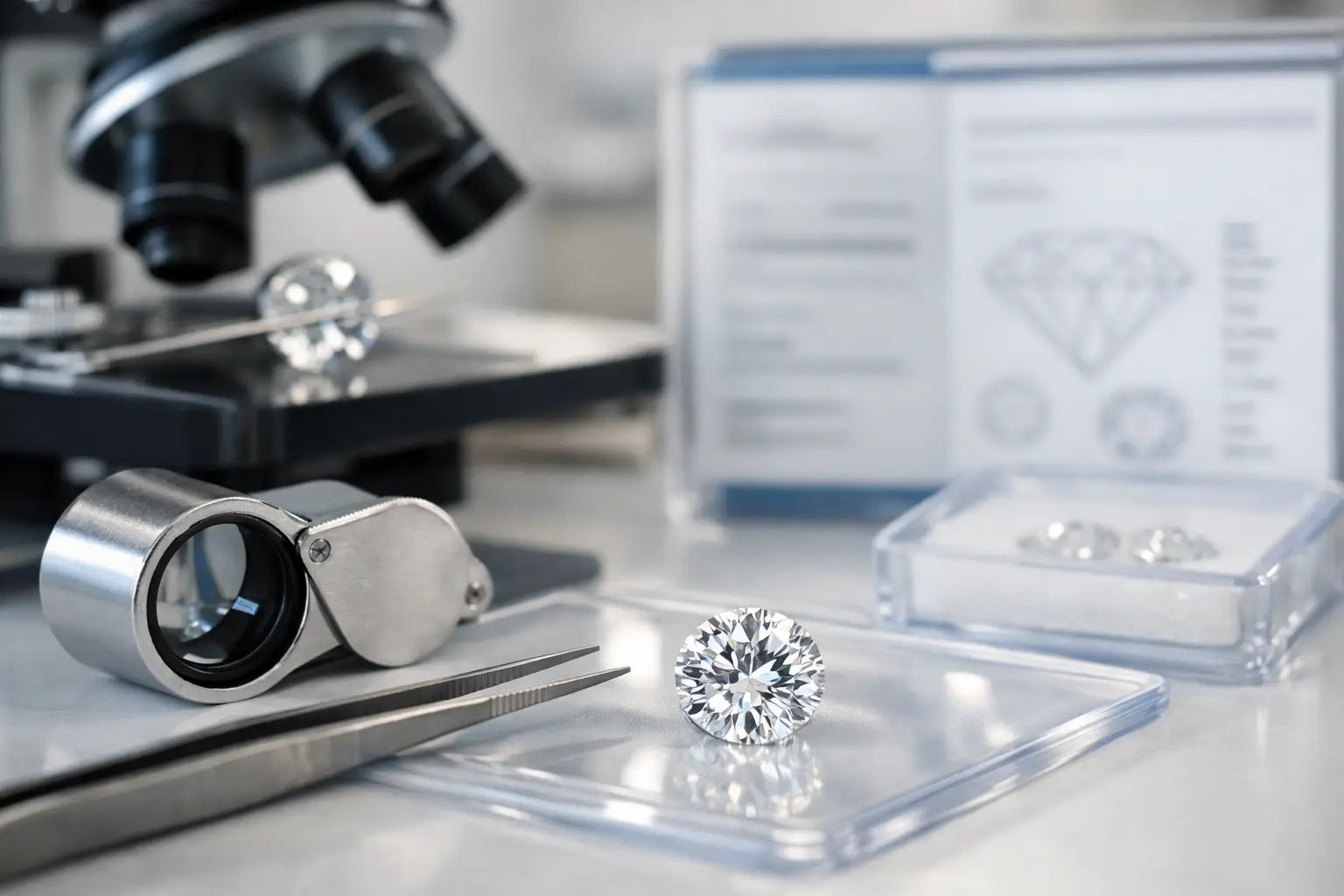
IGI stands for the International Gemological Institute, an independent gemological organization that evaluates diamonds and issues grading reports. When a lab-grown diamond has an IGI report, the lab has examined that individual stone and documented identifying details and quality grades.
The report confirms that the diamond is laboratory-grown and typically identifies its growth method, such as CVD or HPHT. Both methods produce real diamonds with the same fundamental chemical and optical properties as mined diamonds. The growth method can be useful context, but it should not be treated as a stand-alone measure of beauty or durability.
Most importantly, the report assigns grades for the diamond's 4Cs: carat weight, color, clarity, and cut. It may also include proportions, polish, symmetry, fluorescence, measurements, and a plotted diagram for certain stones. Together, these details give you a consistent basis for comparison.
A grading report is different from an appraisal. It does not state what a diamond should sell for, replace for, or insure for. It is a quality document, not a price promise.
What an IGI Lab Diamond Report Covers
A report begins with basic identification. You will see the report number, shape and cutting style, measurements, carat weight, and a clear designation that the diamond is laboratory-grown. Many graded diamonds also have the report number laser-inscribed on the girdle, the narrow outer edge of the stone. The inscription is tiny and is normally visible only under magnification.
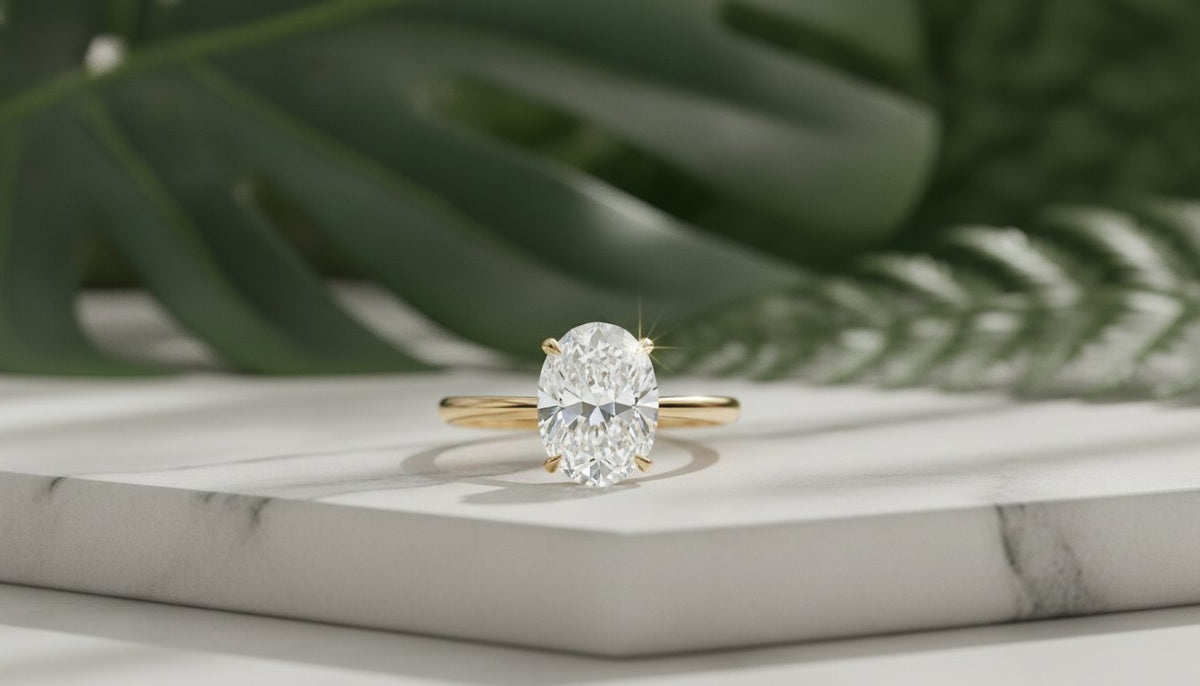
The quality section is where comparison becomes practical. Carat weight tells you how much the diamond weighs, but its millimeter measurements tell you more about visible size. Two one-carat diamonds can face up differently if one is cut deeper or shallower. This is especially relevant when selecting elongated shapes such as oval, pear, marquise, and emerald cut diamonds.
Color is generally assessed on the familiar D-to-Z scale, with D representing colorless and grades farther down the scale showing progressively more noticeable warmth. A near-colorless diamond can look wonderfully bright in many settings, particularly yellow or rose gold. The best choice depends on your preferred metal, shape, budget, and sensitivity to color, not simply the highest letter grade available.
Clarity describes internal characteristics, called inclusions, and surface characteristics, called blemishes. A high clarity grade can be appealing, but many VS and SI diamonds are eye-clean, meaning inclusions are not readily visible without magnification. That can create meaningful room in the budget for a larger diamond, a more refined setting, or a higher cut quality.
Cut deserves special attention in round diamonds because it strongly affects brightness, fire, and scintillation. For fancy shapes, a single cut grade may not appear on the report, so proportions, video, and visual review become even more valuable. A report can tell you the measurements and finish grades, but it cannot fully show whether an oval has an undesirable bow-tie effect or whether an emerald cut has the crisp, balanced pattern you love.
How to Verify an IGI Diamond Report
Before finalizing a purchase, match the report information to the diamond being offered. The report number, shape, carat weight, color, clarity, and measurements should align with the listing and sales documentation. If the stone has a laser inscription, a jeweler can help confirm that number on the diamond itself.
You can also use IGI's report-verification service by entering the report number. Verification confirms that the report record corresponds with the document provided. It is a sensible step, especially when purchasing a loose diamond remotely or comparing several options from different sellers.
Still, verification is only one part of due diligence. Ask to see clear imagery or video of the actual diamond, rather than a generic sample image. Review the return policy, warranty terms, setting details, and whether the diamond has been inspected before delivery. Certification supports transparency, while a thoughtful retailer and clear after-sale service support the ownership experience.
What IGI Certification Does Not Tell You
An IGI report is valuable, but it cannot tell the entire story of a diamond. It does not assign a retail value or determine whether a price is fair. Lab-grown diamond pricing can vary based on market conditions, supplier inventory, demand for particular sizes and shapes, and the quality of the finished jewelry.
It also cannot replace your own visual preference. Two diamonds with similar grades can look different because of their facet pattern, proportions, transparency, and the way they perform in different lighting. This is why a customer who wants a clean, modern emerald cut may prioritize a different combination of specifications than someone choosing a brilliant, fiery round diamond.
Nor does a report certify the design quality of the ring that will hold the stone. A secure setting, balanced proportions, comfortable band width, and thoughtful craftsmanship are equally important in a piece meant to be worn every day. For custom jewelry, reviewing the design before production helps ensure the finished piece feels personal as well as polished.
Choosing an IGI-Certified Lab Diamond Wisely
Start with the qualities you will notice most. If visual size is a priority, focus on carat weight together with measurements and a well-balanced spread. If icy brightness is your goal, consider color and cut performance. If you want the strongest value, look for an eye-clean clarity grade rather than paying for characteristics visible only under magnification.
For a round brilliant, many buyers find an excellent or ideal cut an effective place to begin. For fancy shapes, compare the actual stones more closely. Look at their outline, length-to-width ratio, light return, and any visible dark areas. There is no universal best ratio for an oval or radiant cut - the right one is the one that matches the look you want to wear.
Your setting can guide the decision, too. Yellow gold can complement a slightly warmer near-colorless diamond beautifully, while platinum or white gold may make a colorless appearance more noticeable. A bezel setting can offer a sleek, protective profile, while prongs reveal more of the diamond. These choices should work together rather than compete for budget.
At Eternity LGD, a diamond consultation can help bring these details into focus, whether you are selecting a loose stone or designing a ring around it. The goal is not to chase a perfect report on paper. It is to choose a certified diamond whose appearance, specifications, and setting make sense for your style and budget.
When an IGI Report Matters Most
An IGI report is especially helpful for center stones in engagement rings and significant diamond jewelry, where comparing quality and confirming identity matter most. It is also useful when you are shopping across retailers, considering a custom design, or making a purchase without viewing the diamond in person.
Smaller accent diamonds in pavé bands, tennis bracelets, and multi-stone earrings are often sold with overall specifications rather than individual reports for every stone. That is normal. In those cases, ask about the total carat weight, diamond quality range, metal purity, craftsmanship, and any available warranty or care support.
The most confident purchase balances documentation with what you can see and feel. Let the IGI report narrow your choices, then choose the diamond that looks alive to you, sits beautifully in its setting, and marks the moment you want it to remember.