Loose Lab Diamonds: A Smarter Way to Buy
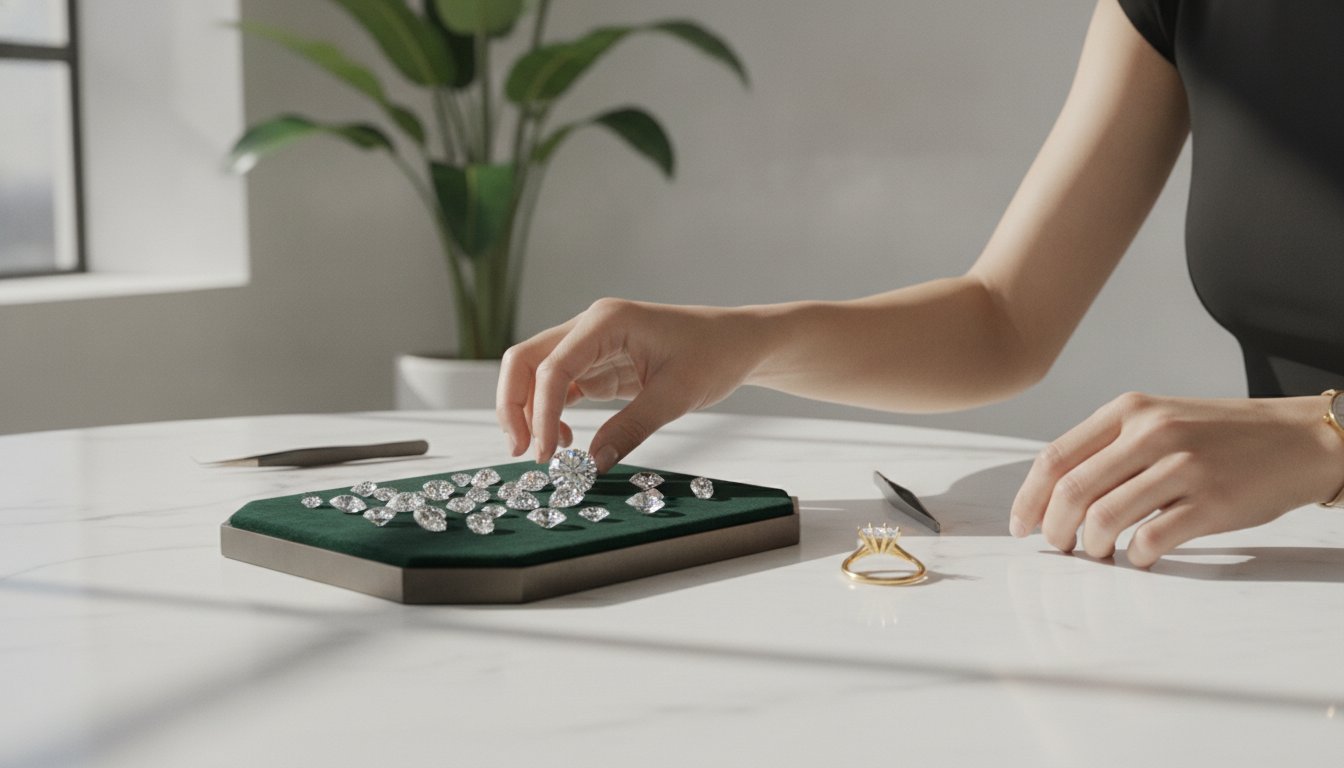
A diamond can look extraordinary on a grading report and still feel wrong once it is set in a ring. That is why buying loose lab diamonds is such a thoughtful option: you get to choose the stone first, then build the jewelry around its character, your style, and your budget.
For an engagement ring, anniversary gift, or one-of-a-kind piece you have imagined for years, the loose-diamond route offers more control than selecting a finished setting with a preselected center stone. The key is knowing which details will actually change what you see, wear, and love every day.
Why choose a loose lab diamond?
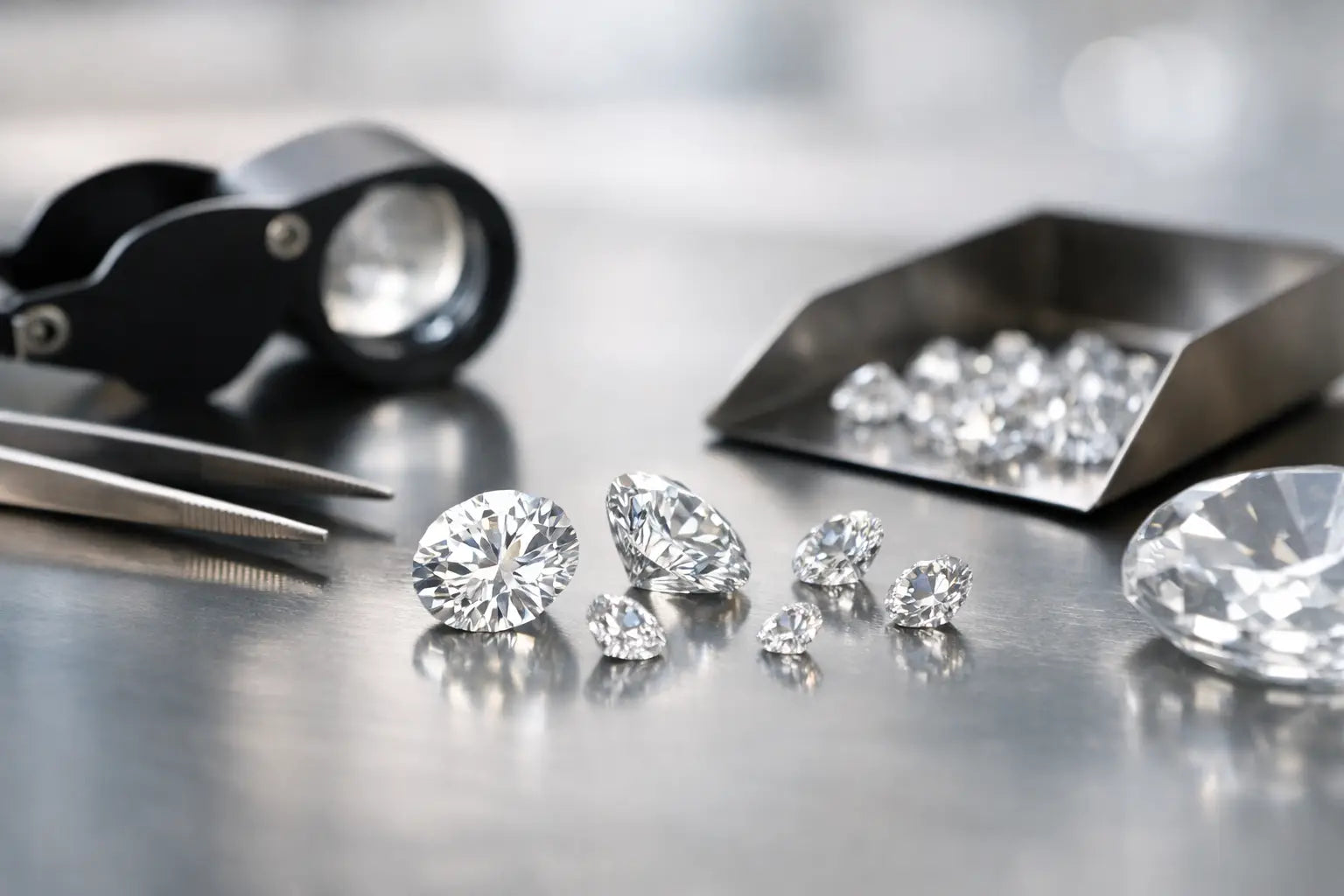
A lab-grown diamond has the same chemical composition, crystal structure, hardness, and optical beauty as a mined diamond. It is a real diamond, created through advanced technology rather than recovered from the earth. For many buyers, that means the freedom to prioritize a larger size, a finer cut, or a more distinctive custom design within the same budget.
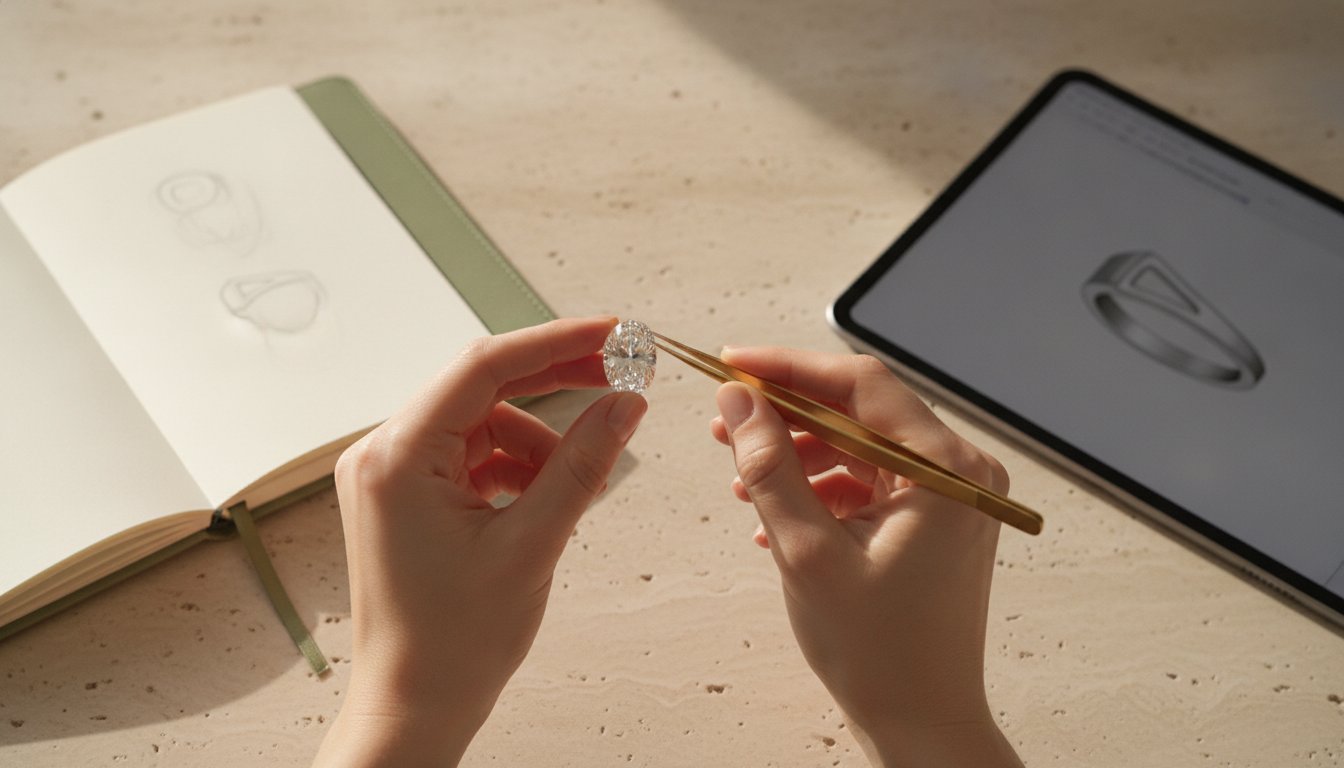
Selecting the diamond separately also gives you room to be intentional. You may fall for the long, elegant outline of an oval, the clean symmetry of an emerald cut, or the vintage-inspired softness of a cushion. Once that shape is decided, the setting can be designed to complement it rather than compete with it.
This approach is especially useful when you want a ring that does not look like everyone else’s. A petite solitaire, a low-profile bezel, hidden diamond details, mixed metals, or a dramatic three-stone design all begin with the proportions of the center diamond.
How to compare loose lab diamonds
The familiar Four Cs - cut, color, clarity, and carat weight - remain the foundation of diamond shopping. But they do not all deserve equal weight. A smart selection starts with the qualities that have the greatest impact on visible beauty.
Start with cut and light performance
Cut is the feature most likely to make a diamond feel lively. It affects how light enters the stone, reflects inside it, and returns to the eye as brightness, fire, and sparkle. With round brilliant diamonds, seek excellent proportions and strong symmetry. With fancy shapes such as oval, pear, radiant, marquise, and cushion, look closely at the individual stone rather than relying on a grade alone.
Two diamonds with matching carat weight, color, and clarity can look dramatically different because of cut. One may appear bright across its entire face, while another may show darker areas, a noticeable bow-tie effect, or less visual spread. Video, detailed images, and expert guidance are valuable here because a report cannot fully capture personality and sparkle.
Choose color for the metal and style
Color is graded on a scale that begins with colorless and moves toward visible warmth. A near-colorless diamond can look beautifully white in many settings, particularly yellow or rose gold, and may offer meaningful savings compared with the highest color grades.
If your preference is an icy-white appearance in platinum or white gold, a higher color range may be worth considering. Shape matters, too. Step-cut diamonds such as emerald and Asscher cuts tend to reveal color more readily because of their broad, open facets. Brilliant-cut shapes are often more forgiving, thanks to their lively faceting.
There is no universal best color grade. The right choice depends on the diamond shape, the metal, and whether you prefer crisp brightness or a hint of warmth with character.
Treat clarity as a visual question
Clarity describes internal inclusions and surface characteristics. It is useful information, but it should not lead every decision. The goal for most buyers is an eye-clean diamond - one whose inclusions are not visible without magnification from a normal viewing distance.
A diamond with a modest clarity grade can be an excellent value if its inclusions are small, well positioned, and do not affect durability or light performance. Conversely, a high clarity grade may be more than you need if those minute details are invisible in everyday wear. Larger or step-cut stones can make inclusions easier to notice, so those shapes deserve a closer review.
Think beyond carat weight
Carat measures weight, not apparent size. A well-proportioned diamond can look larger than another diamond of the same carat weight, depending on its measurements, shape, and depth. Ovals, pears, marquise cuts, and emerald cuts often offer a larger face-up look than a round diamond at a comparable weight.
Rather than chasing a specific number, consider how the stone will look on the hand and within the setting. A 1.90-carat diamond may offer nearly the same visual presence as a 2.00-carat option while allowing more room in the budget for cut quality, a custom setting, or meaningful side stones.
Certification provides a useful starting point
An independent diamond grading report documents the stone’s key characteristics, including shape, measurements, carat weight, color, clarity, and proportions. It gives you a consistent way to compare diamonds and helps ensure that the stone you receive matches the specifications you selected.
Still, certification is not a substitute for seeing the diamond. Use the report to narrow options, then consider images or video and ask questions about the stone’s visual appearance. If you are working with a jewelry specialist, explain what matters most to you: maximum sparkle, a bright white look, an elongated silhouette, or the best size possible for your budget.
A transparent seller should make the specifications clear and be prepared to explain the trade-offs without pressure. At Eternity LGD, that conversation can also become the starting point for a custom piece designed around your chosen diamond.
Match the diamond to the setting before you buy
The setting is not an afterthought. It affects how large the diamond appears, how high it sits, how protected it is, and how it fits into daily life. Someone who works with their hands, for example, may prefer a lower-profile setting or a bezel that surrounds the diamond’s edge. Someone drawn to maximum light and height may love a classic prong solitaire.
A delicate band can make a center diamond appear more prominent, while a halo can create a larger overall look. Three-stone settings add presence and symbolism, but they also require side stones that complement the center diamond’s shape and proportions. When designing a ring from scratch, these details are easier to refine before production begins.
It also helps to consider the wedding band early. Certain center-stone shapes and low settings may need a curved or contoured band to sit flush. Planning the pair together can prevent an unwelcome surprise later.
Set a budget that reflects your priorities
Lab-grown diamonds make it possible to stretch a jewelry budget, but that does not mean every dollar should go toward carat weight. Decide what you care about most before comparing options. For some buyers, it is a larger center stone. For others, it is a premium cut, a colorless look, or a custom setting with distinctive craftsmanship.
Be realistic about the complete piece, including the center diamond, setting, metal, side stones, and any design details. A simple setting may put more of your budget toward the diamond itself, while a detailed custom design can turn a slightly smaller stone into a far more personal finished ring.
Value should also be viewed honestly. Diamond prices and resale outcomes can vary, and jewelry should first be chosen for its beauty, meaning, and wearability. Services such as warranty coverage, repairs, upgrades, and buyback options may matter over the life of the piece, so ask about them before making a final decision.
The best loose lab diamond is not defined by the highest specifications on paper. It is the stone that looks remarkable to you, suits the way you live, and gives your chosen design a story worth wearing every day.