Mined Diamonds Versus Lab Diamonds Compared
A diamond does not become less meaningful because it was grown in a laboratory rather than formed underground. For couples comparing mined diamonds versus lab diamonds, the real question is rarely, “Which one is real?” Both are real diamonds. The better question is which choice best reflects your priorities: size, quality, origin, budget, long-term expectations, or the story you want your jewelry to carry.
A proposal ring, anniversary pendant, or custom diamond piece should feel personal from the first conversation to the moment you wear it. Understanding the practical differences helps you spend confidently and choose beauty without paying for assumptions.
Mined Diamonds Versus Lab Diamonds: The Core Difference
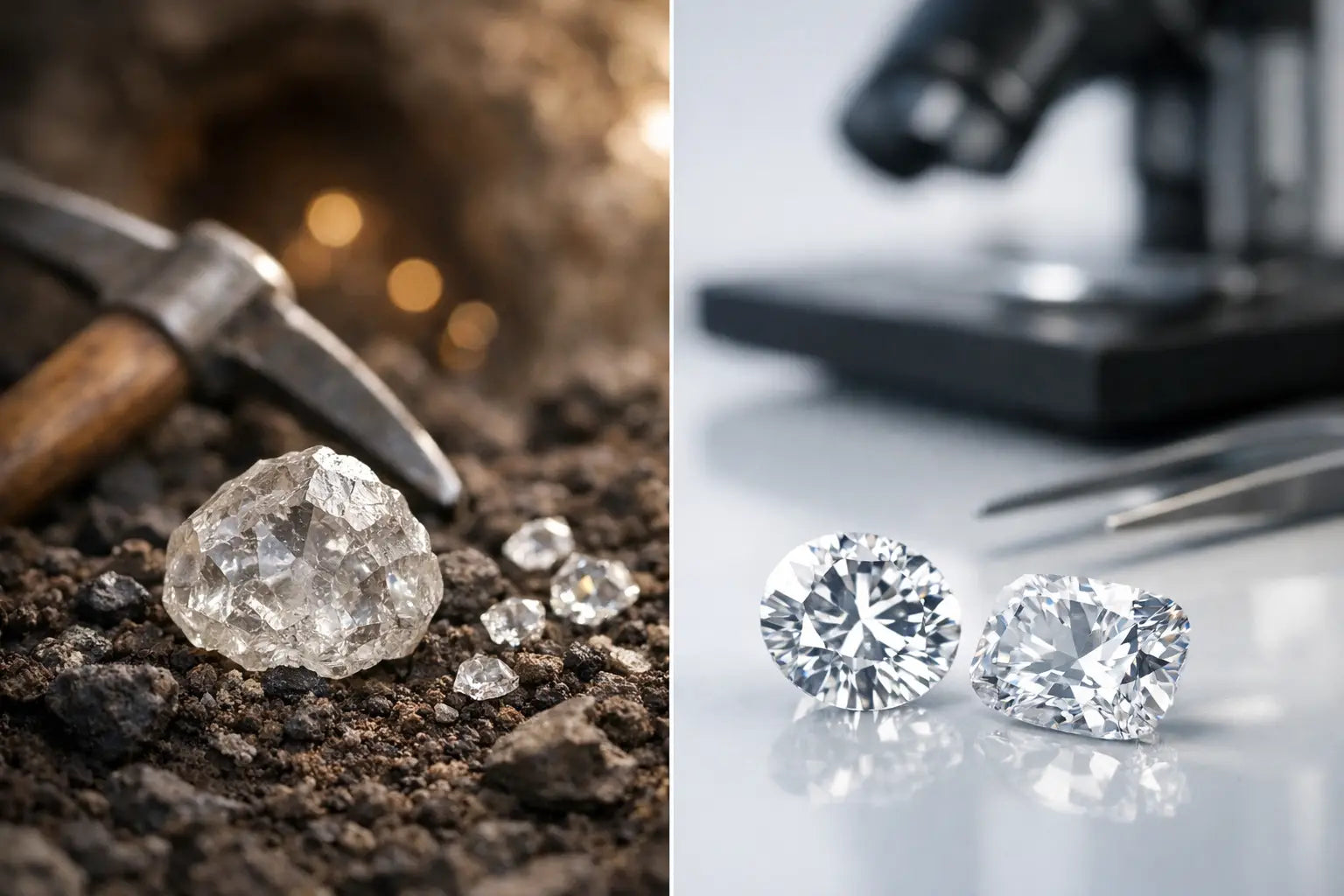
Mined diamonds formed deep within the earth over billions of years and are recovered through mining. Lab-grown diamonds are created in highly controlled settings using processes that replicate the conditions under which diamonds form naturally. The timeline is dramatically different, but the resulting material is the same: crystallized carbon.
A lab-grown diamond has the same chemical composition, crystal structure, hardness, fire, and brilliance as a mined diamond. Both rank 10 on the Mohs scale of hardness. Both can be cut into classic round brilliants, elegant ovals, elongated cushions, emerald cuts, and every other popular shape. Both can be set in platinum, yellow gold, white gold, or rose gold and worn for a lifetime.
The origin is the defining distinction. One comes from the earth; the other comes from advanced diamond-growing technology. That difference affects supply, pricing, and how shoppers may think about ethics or future resale, but it does not make one diamond visually “fake” and the other real.
What You Can Actually See
To the naked eye, a well-cut lab-grown diamond and a well-cut mined diamond with comparable specifications look the same. Their sparkle depends most on cut quality, followed by carat weight, color, and clarity. A beautifully proportioned diamond with strong light performance will often appear more lively than a larger diamond with a poor cut.
This is why comparing diamonds by price alone can be misleading. Two one-carat diamonds may share a carat weight but look noticeably different based on their shape, cut, proportions, color, and clarity characteristics. Certification and complete specifications make those differences easier to evaluate.
Lab-grown diamonds can have tiny internal characteristics, just as mined diamonds can. Those inclusions are part of how grading laboratories identify and describe each stone. The goal is not necessarily flawless perfection. It is choosing a diamond that is eye-clean, bright, and suited to the design you love.
The certificate matters in either category
An independent grading report documents a diamond’s key qualities, including its carat weight, cut, color, clarity, measurements, and whether it is mined or laboratory-grown. Review the report alongside clear imagery and videos whenever possible. For a major purchase, transparency should feel standard, not like an upgrade.
Price: Where Lab-Grown Diamonds Change the Conversation
Lab-grown diamonds typically cost significantly less than mined diamonds of similar size and quality. The difference can allow a buyer to select a larger center stone, improve cut or color, choose a more detailed setting, or simply stay comfortably within budget.
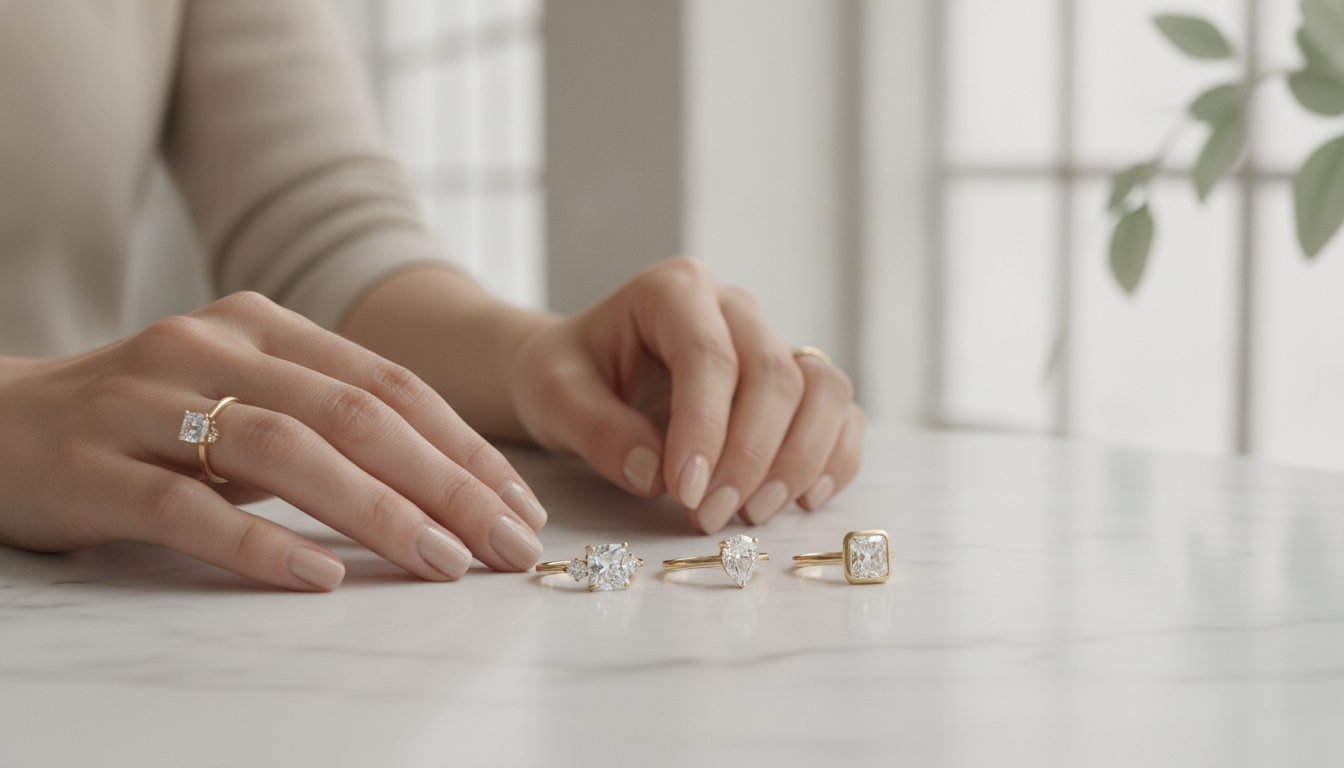
That value can be especially meaningful for an engagement ring. A couple may decide that a two-carat oval with excellent visual presence better fits their vision than a smaller mined diamond at the same total price. Another buyer may prefer to direct the savings toward a custom setting, wedding plans, travel, or other financial goals.
Lower pricing does not mean lower quality. It reflects a different supply model and the fact that laboratory-grown diamond prices have evolved as technology and production capacity have advanced. Buyers should recognize that market reality before treating any diamond purchase primarily as an investment.
Resale and Long-Term Value: Set Clear Expectations
Fine jewelry can hold enormous emotional value, but diamonds should generally be purchased to wear and enjoy, not as a guaranteed financial asset. Resale prices for both mined and lab-grown diamonds are often lower than their original retail prices, particularly when selling through a secondary market.
Mined diamonds have traditionally had stronger recognition in resale channels, although results vary widely by stone, brand, demand, documentation, and market conditions. Lab-grown diamonds may have more limited resale demand because new stones are readily available at increasingly accessible prices.
For some shoppers, that trade-off is decisive. They prefer the historical scarcity and resale perception of a mined diamond. For many others, the ability to buy a larger, higher-quality diamond now matters more than a potential future resale outcome. Neither viewpoint is wrong. It depends on whether your purchase is led by tradition, value, visual impact, or a combination of all three.
If future flexibility matters to you, ask about warranty coverage, upgrade options, and buyback policies before you purchase. Those services can be more practical to a jewelry owner than relying on an uncertain resale market years later.
Ethics and Environmental Considerations Are More Nuanced Than a Label
Many buyers choose lab-grown diamonds because they want an alternative to newly mined stones and a supply chain that feels more direct and traceable. Laboratory-grown diamonds avoid the physical excavation associated with diamond mining, which can make them a compelling choice for shoppers focused on modern sourcing.
Still, “ethical” is not a one-word conclusion. Growing diamonds requires substantial energy, and its environmental footprint can vary depending on the facility, technology, and energy sources used. Mined diamonds also vary in their supply chains, labor standards, land impact, and producer practices.
The most informed approach is to ask clear questions. Where did the diamond come from? Is it independently graded? What information is available about its origin and production? A retailer should be comfortable explaining what it knows rather than making broad promises that cannot be verified.
Which Diamond Is Right for Your Jewelry?
A lab-grown diamond may be the right fit if you want the strongest possible visual value for your budget. It is a practical choice when carat weight, premium cut quality, a bright white color, or a custom setting is at the top of your list. It also suits buyers who prefer a diamond created through modern technology rather than traditional mining.
A mined diamond may be a better fit if natural origin and geological rarity are central to the experience you want. Some buyers feel strongly connected to the idea of a stone formed by the earth over immense time. Others prioritize the more established perception of mined diamonds in the secondary market.
Your setting can influence the decision as well. In a delicate solitaire, the center diamond becomes the full focus, so cut quality and proportions deserve special attention. In a three-stone ring, halo, tennis bracelet, or diamond necklace, you may be able to create a more substantial look with lab-grown diamonds while remaining within your intended spend.
Start with the priorities that will matter years from now
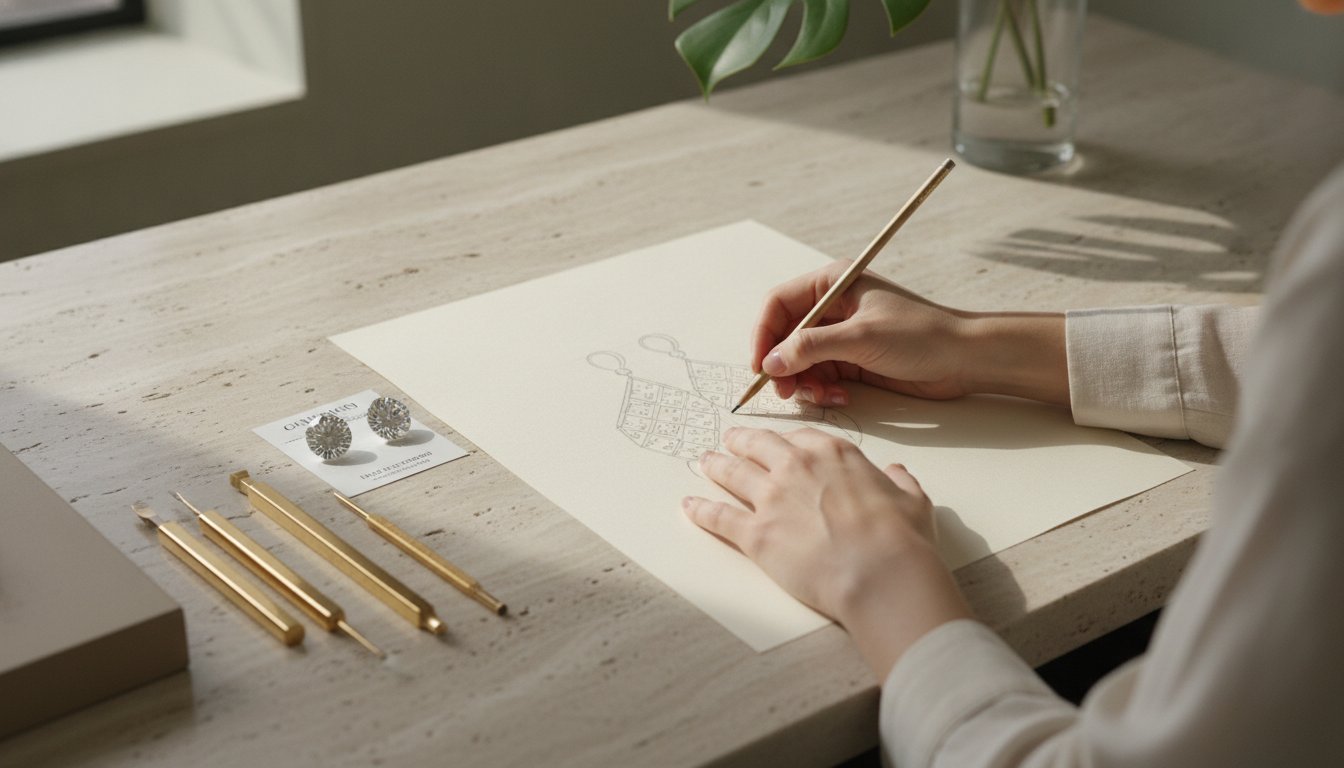
Before comparing listings, decide what you will care about every time you look at the piece. It may be a large oval diamond with elegant finger coverage. It may be a timeless round brilliant with exceptional sparkle. It may be a custom design that represents a relationship, a milestone, or a personal style no store display can capture.
Then choose the diamond category that helps you achieve that vision without compromising on the qualities that matter most. A thoughtful consultation can help you compare shape, measurements, certification, setting style, and budget side by side.
The best diamond is not defined by a single origin story. It is the one that feels beautiful on your hand, aligns with your values, and gives your milestone the presence it deserves. Whether you select mined or laboratory-grown, choose with clear specifications, realistic expectations, and room in the decision for what makes the piece uniquely yours.