How a Diamond Jewelry Buyback Program Works
A diamond jewelry buyback program can make a meaningful purchase feel more flexible years later. Whether you are refreshing an engagement ring, moving on from a past chapter, or simply changing your style, knowing how buybacks work helps you buy and sell with clearer expectations. The goal is not to treat fine jewelry like a short-term investment. It is to understand the ownership options attached to a piece you chose for a reason.
What Is a Diamond Jewelry Buyback Program?
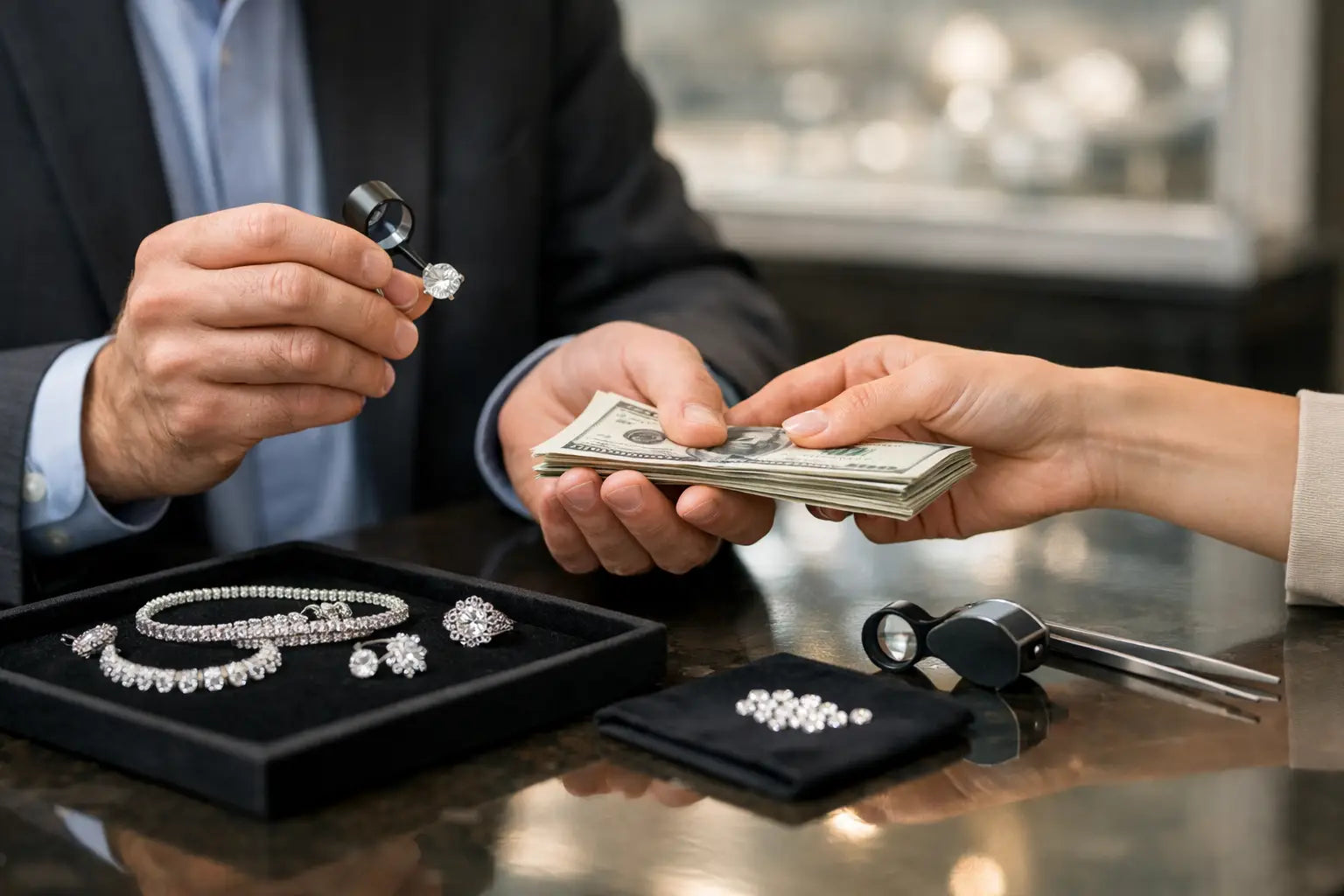
A diamond jewelry buyback program is a service through which a jeweler may repurchase eligible jewelry from a previous customer. The item is evaluated based on its current condition, specifications, documentation, and resale potential, then the jeweler presents an offer under the program's terms.
Buyback is different from a return. A return generally happens within a short window after purchase and is governed by the original sale policy. A buyback occurs later, sometimes years later, after the jewelry has been worn and the market has changed. It is also different from an upgrade program, where the value of an existing piece may be applied toward a new purchase rather than paid out as cash.
Those distinctions matter because the best option depends on your next step. If you want a larger center stone, a new setting, or a completely different design, an upgrade may offer more value than a straight buyback. If you no longer want to own the piece, a buyback may be the more practical route.
Why Buyback Support Matters When You Purchase
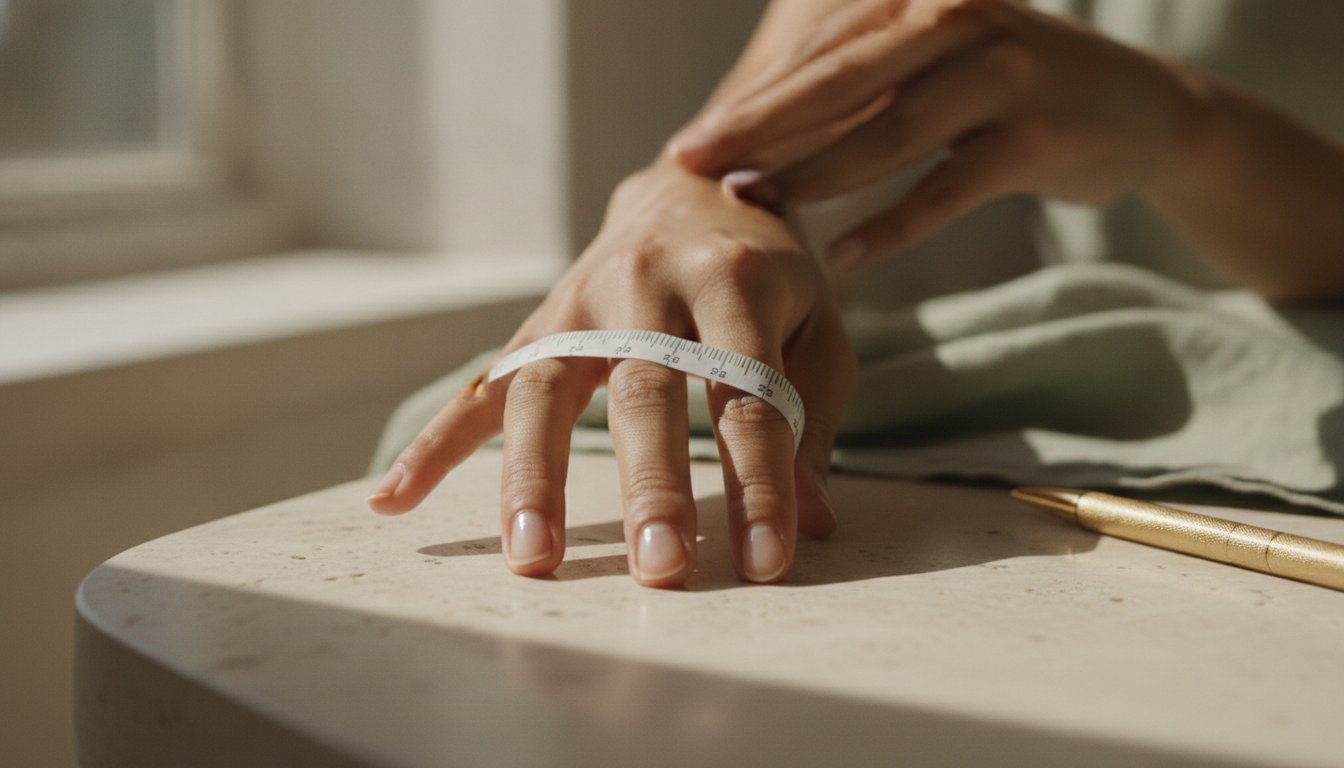
Fine jewelry marks real life: proposals, anniversaries, milestones, gifts, and personal achievements. Yet your preferences can change. A solitaire that felt perfect at 27 may not fit your lifestyle at 37. Your ring size may shift, a setting may need repair, or you may prefer a modern bezel design over a traditional prong setting.
Buyback support acknowledges that jewelry ownership is not static. It gives customers a clear place to start if their original piece no longer suits them. For people choosing lab-grown diamonds, this can be especially helpful because they are often able to select a larger or higher-quality diamond within their budget at the time of purchase, then revisit their collection later as their style evolves.
That said, a buyback program should not be the deciding factor behind a purchase. Buy jewelry because you love the craftsmanship, design, and diamond you are selecting. A future buyback option is valuable support, but it should not be confused with a promise that the piece will retain its original retail price.
How a Buyback Offer Is Evaluated
Every jeweler sets its own eligibility requirements and offer methodology. Before assuming a piece qualifies, ask for the program terms in writing. The evaluation commonly considers the diamond, the setting, the paperwork, and the current condition of the jewelry.
Diamond Details and Certification
For a loose diamond or a piece of diamond jewelry, the evaluator will look at the stone's shape, carat weight, cut quality, color, clarity, and certification. A grading report from a recognized independent laboratory helps confirm the characteristics of the diamond and makes the evaluation more straightforward.
For lab-grown diamonds, certification remains valuable. A lab-grown diamond is a real diamond with the same optical, chemical, and physical properties as a mined diamond, but it has its own supply and pricing dynamics. The original grading report provides a reliable reference point for identifying the stone and reviewing its quality details.
The Setting and Precious Metal
The metal has value, but the design and condition of the setting matter, too. A well-made platinum, yellow gold, white gold, or rose gold setting may contribute to the offer, particularly when it is in good wearable condition. Significant wear, bent prongs, missing accent stones, damaged shanks, or prior repairs can affect what a jeweler is able to offer.
Custom pieces deserve special attention. Their emotional value and distinctive design can be enormous, but resale value is usually tied to whether the piece can be resold, redesigned, or repurposed. A highly personal engraving or an unusual finger size may narrow the next buyer pool, while a timeless design with quality materials may have broader appeal.
Condition, Documentation, and Provenance
Bring every item connected to the purchase that you still have: the diamond certificate, original receipt, warranty documents, appraisal records, and any repair history. These documents do not automatically increase an offer, but they create clarity. They can also help the jeweler verify prior work and assess whether service or restoration is needed.
A professional cleaning and inspection can be worthwhile before evaluation, especially if the piece has been worn daily. Do not attempt at-home repairs or aggressive polishing to make it look newer. A small issue handled correctly is better than accidental damage caused by an improvised fix.
Lab-Grown Diamonds and Resale Expectations
One of the most common questions is whether lab-grown diamond jewelry has buyback value. The answer is yes, it can, but the offer depends on the program and the item itself. As with any diamond jewelry, there is a difference between retail pricing and the amount a buyer may offer for a pre-owned piece.
Lab-grown diamond pricing has become more accessible as technology and supply have developed. That accessibility is a major advantage for shoppers who want exceptional size, cut, or color without stretching beyond their budget. It also means buyers should be realistic about future resale value. The financial value of a piece is influenced by current demand, available supply, diamond specifications, metal value, condition, and the jeweler's ability to resell or reuse it.
This is not a drawback unique to lab-grown diamonds. Most fine jewelry is purchased primarily for wear, meaning, and beauty rather than guaranteed appreciation. A diamond tennis bracelet that becomes part of your everyday style or a custom engagement ring that feels completely like you can be an excellent purchase even if its later buyback offer is lower than its original price.
Questions to Ask Before You Rely on a Buyback Program
The clearest programs are specific. Before purchasing, or before submitting a piece for review, ask whether the program applies to cash buybacks, upgrades, or both. Confirm whether it applies only to original customers and whether the original receipt is required.
You should also ask whether the full piece must be returned, how alterations and repairs affect eligibility, and whether a grading report is necessary. Find out how the jeweler determines the offer and whether there are any timing requirements, exclusions, or service fees. If a quoted value is offered, ask how long it remains valid.
These questions are not about being skeptical. They are part of buying fine jewelry intelligently. A jeweler should be able to explain the process plainly, without making vague promises about future value.
Preparing Your Jewelry for a Buyback Review
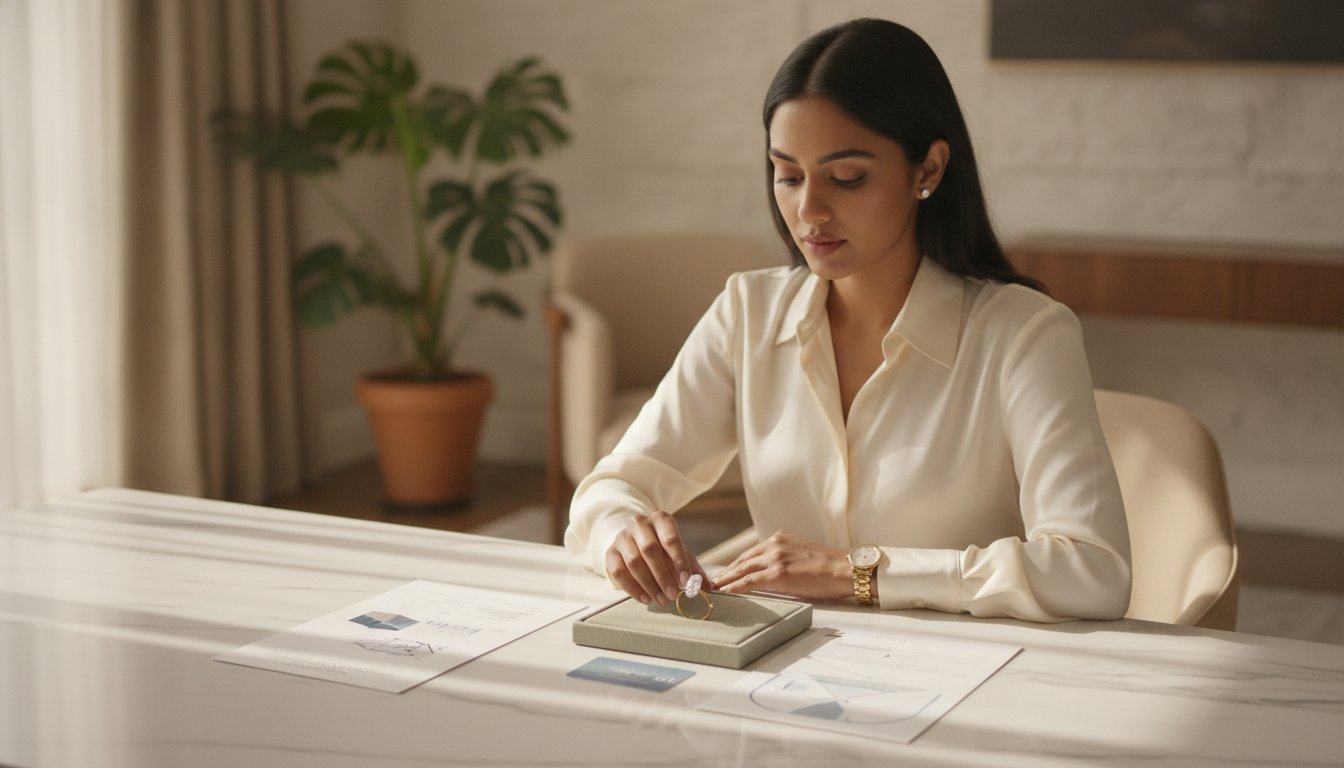
Start by gathering your paperwork and taking a few current photos of the piece. Note any loose stones, worn prongs, scratches, resizing, or repairs. If you are uncertain whether a repair is needed before the review, ask the jeweler first. In some cases, leaving the item as is allows the evaluator to give the most accurate assessment.
During an appointment or consultation, be direct about what you want. Are you hoping to sell the piece? Trade it toward a new ring? Redesign heirloom diamonds into a necklace or bracelet? Your answer can change which service makes the most sense.
At Eternity, ongoing support is part of the ownership experience, including assistance with repairs, upgrades, and buybacks. For a custom piece, that relationship can be particularly useful because the original design details and diamond specifications help guide the next decision.
Buyback, Upgrade, or Redesign: Choosing the Right Path
A buyback is often best when you are ready for a clean break from a piece. An upgrade can make more sense when you still love the idea behind the jewelry but want a larger diamond, a different shape, or a more elevated setting. Redesign is ideal when the materials hold personal meaning but the original look no longer feels like you.
There is no universally correct choice. A three-stone ring might become a pendant that you wear every day. A yellow gold setting might be updated in platinum. A lab-grown diamond could be reset into a design that better matches your current wardrobe and lifestyle. The value is not only what the jewelry can bring back, but what it can become next.
The most reassuring buyback experience starts long before you need it: choose a jeweler who explains the details, keep your certification and records, care for your jewelry, and view future options with realistic confidence. Your diamond jewelry should be allowed to evolve with your life.