Engagement Ring Setting Guide for Modern Couples
A diamond can be exceptional on paper and still feel wrong once it is set into a ring. The setting determines how high the stone sits, how it catches light, whether it works with a wedding band, and how comfortably it fits into your real life. This engagement ring setting guide helps you look beyond the center diamond and choose a design that feels as personal as the promise behind it.
For many couples, a lab-grown diamond creates more room in the budget for the details that make a ring truly distinctive: a stronger setting, a refined band profile, side stones, or a custom design. The best choice is not simply the setting with the most sparkle. It is the one that suits your diamond shape, style, routine, and long-term plans.
Start With the Life the Ring Will Live
Before comparing setting styles, think honestly about how the ring will be worn. Someone who works with their hands, spends time at the gym, cares for young children, or prefers low-maintenance jewelry may want a lower-profile design with added protection around the center stone. Someone drawn to a dramatic, elevated silhouette may be happy with a higher setting and a little more care.
There is no single “most secure” or “best” engagement ring setting for everyone. A setting that protects the diamond well can slightly limit its visible surface or make cleaning more deliberate. A setting that allows abundant light around the diamond can create a brighter, airier look, but it may sit higher and need occasional inspection. Good design is about choosing the right balance.
Also consider the wedding band early. A flush-fitting band often requires enough clearance beneath the center setting, while some low-set solitaire styles leave a small gap. Neither look is wrong, but it is easier to decide before the engagement ring is made.
The Main Engagement Ring Setting Styles
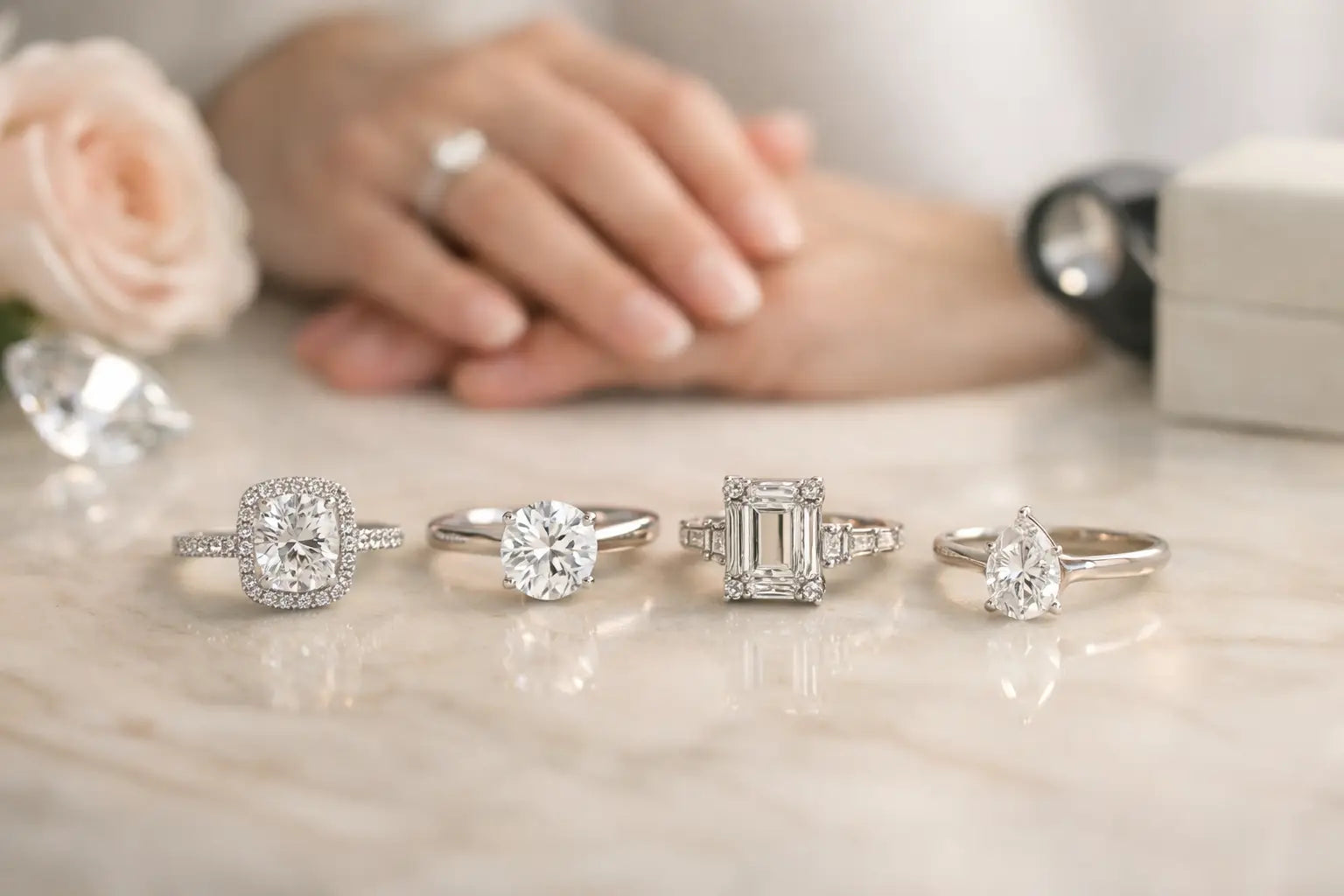
Solitaire: Timeless and Diamond-Forward
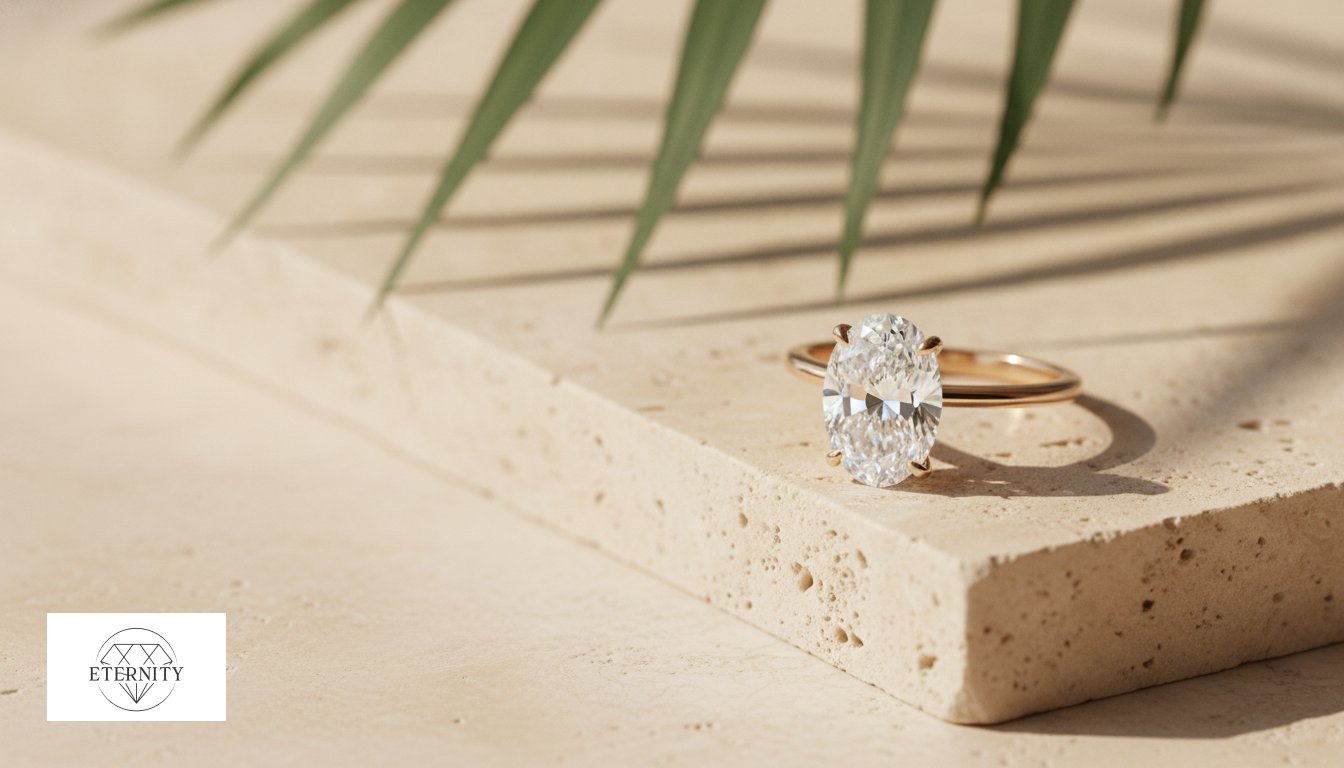
A solitaire features one center diamond, usually held by prongs on a plain metal band. It is an enduring choice because it lets the diamond shape take center stage. Round, oval, pear, emerald, cushion, radiant, and princess cuts can all look beautiful as solitaires.
The trade-off is that the setting itself offers little visual distraction. Your diamond’s cut, proportions, and color are more noticeable, as is the quality of the metalwork. A solitaire is also wonderfully adaptable. It can feel minimal and modern with a sleek band, or more romantic with a cathedral profile or delicate hidden detail beneath the center stone.
Cathedral: Elevated With Added Presence
A cathedral setting uses arches of metal that rise from the band toward the center diamond. This architecture creates a graceful profile and can make the stone appear more prominent without requiring a larger diamond.
Cathedral settings provide supportive structure, especially for larger center stones, but they typically sit higher than a low-profile design. They are ideal for buyers who love a classic engagement ring with a noticeable side view and want a wedding band that can sit closely against it.
Halo: Maximum Visual Impact
A halo surrounds the center diamond with a border of smaller diamonds. It can make the center stone appear larger and adds brilliance from every angle. A hidden halo, by contrast, places the small diamonds beneath the center stone, offering a flash of sparkle from the side while keeping the top view more understated.
Halos suit shoppers who enjoy detail and want a high-impact look without moving to a much larger center diamond. Keep in mind that more small stones mean more areas to clean and inspect over time. A well-made halo should frame the center stone evenly, with clean proportions that complement rather than overwhelm it.
Pavé: A Band That Keeps Sparkling
In a pavé setting, small diamonds are set closely along the band, creating the appearance of a continuous ribbon of light. It can be paired with a solitaire-style center, a halo, or a three-stone design. Pavé works especially well for those who want sparkle across the finger, not only at the center.
A pavé band is refined rather than carefree. Tiny diamonds and their delicate metal beads deserve mindful wear, particularly around hard surfaces. For a more practical alternative, consider a plain band, a partial pavé design, or sturdier channel-set accent diamonds.
Three-Stone: Meaning With Dimension
Three-stone engagement rings place a center diamond between two side stones. Many couples connect the design with a past, present, and future story, but its visual appeal is equally strong: it adds width, dimension, and a more substantial presence on the hand.
The side stones can match the center diamond shape or create contrast. Tapered baguettes beside an emerald or radiant center feel sleek and architectural, while pear or trapezoid side stones can bring a more expressive silhouette. Proportion matters here. Side diamonds should support the center stone rather than compete with it.
Bezel: Modern Protection and a Clean Profile
A bezel setting wraps a thin rim of metal around all or part of the diamond’s edge. It is one of the most secure choices for active lifestyles because it protects the diamond’s girdle and avoids exposed prongs that can catch on fabric.
A full bezel offers a polished, contemporary look and can make certain shapes, especially ovals and emerald cuts, feel strikingly modern. A partial bezel leaves more of the diamond visible while retaining some of that protective benefit. Because metal surrounds the stone, a bezel may show slightly less of the diamond from the side than prongs do, but the result can be beautifully streamlined.
Channel and Flush Settings: Understated and Durable
Channel-set diamonds sit between two walls of metal, most commonly along the band. Flush-set diamonds are recessed into the metal so their top surfaces sit nearly level with the ring. These styles are typically used for accent stones rather than a large center diamond.
They are excellent options for buyers who want subtle sparkle and fewer raised details. A channel-set or flush-set band can pair beautifully with a prong-set center diamond, especially for someone who wants a polished ring that feels ready for daily wear.
Match the Setting to the Diamond Shape
The setting should reinforce what your diamond already does well. Round diamonds are versatile and brilliant in nearly any style, from a simple four-prong solitaire to a diamond halo. Oval, pear, and marquise diamonds often benefit from protective prongs at their pointed ends, where the shape can be more vulnerable to impact.
Emerald and Asscher cuts have broad, reflective facets rather than intense crushed-ice sparkle. They often shine in clean solitaires, bezel settings, or three-stone designs with tapered baguettes. Their open facet pattern can reveal color and clarity more readily, so thoughtful diamond selection matters.
Radiant, cushion, and princess cuts offer plenty of flexibility. A halo can emphasize their sparkle, while a sleek prong setting gives their geometry room to stand out. If you are selecting a lab-grown diamond, compare its certification details alongside the setting concept. A strong design begins with both the diamond’s characteristics and the way it will be supported.
Prongs, Metal, and Profile Matter More Than They Seem
Prongs are small, but they shape the ring’s personality and security. Four prongs reveal more of the diamond and create a lighter look. Six prongs add reassurance and create the familiar floral outline often associated with round solitaires. Claw prongs can look delicate and refined, while rounded prongs offer a softer, traditional finish.
Metal choice also changes the final effect. Platinum is naturally white, dense, and well suited to prong work, while white gold offers a bright, crisp look. Yellow gold brings warmth and contrast, especially around colorless or near-colorless diamonds. Rose gold feels romantic and distinctive. The right metal is largely personal, though skin tone, existing jewelry, and the diamond’s color can guide the decision.
Pay attention to profile as well. A high setting can make a diamond look more dramatic, but a low setting is less likely to snag and may feel more natural for everyday wear. Try to imagine opening a car door, pulling on a sweater, or holding a coffee cup. Luxury should be enjoyed, not constantly protected from ordinary moments.
Choose a Setting That Can Be Maintained
Every engagement ring deserves periodic professional inspection, particularly prong, pavé, and halo designs. Over years of wear, metal can shift and prongs can loosen. Regular cleaning also helps diamonds perform at their best, since lotion, soap, and daily residue can soften their sparkle.
If you expect to upgrade, add an anniversary band, or redesign the ring later, mention that during the selection process. A knowledgeable jeweler can help you choose proportions and a setting style that leaves room for those future possibilities. At Eternity LGD, custom design conversations can turn a saved inspiration image or a meaningful detail into a ring built around your preferences, rather than a compromise pulled from a standard display.
The right setting should make you want to look down at your hand, but it should also make daily life feel easy. Choose the design that reflects your style, supports your diamond, and still feels right after the proposal photos are over and the real story begins.