How to Choose a Lab Diamond With Confidence
A lab-grown diamond can give you more room to choose the size, shape, and setting you truly want. But value is not simply about buying the biggest carat weight on the screen. Learning how to choose a lab diamond means looking at the qualities that affect how it performs in real life: its sparkle, face-up appearance, certification, and fit with the jewelry you will wear for years.
Lab-grown diamonds are real diamonds, created with the same chemical composition and crystal structure as mined diamonds. They are not diamond simulants. Still, every diamond is individual, and two stones with identical grades on paper can look noticeably different once you see their proportions, transparency, and light return. A thoughtful selection process helps you make the most of the exceptional value lab diamonds can offer.
How to Choose a Lab Diamond: Start With Your Priorities
Before comparing grades, decide what you want the finished piece to say and do. An engagement ring that will be worn every day calls for different decisions than diamond studs for special occasions or a bold anniversary pendant. Consider the recipient's style, whether the jewelry needs to complement a wedding band, and how much maintenance suits their lifestyle.
Then choose your non-negotiables. For one buyer, that may be a 2-carat oval diamond. For another, it may be a crisp, colorless emerald cut in a sleek custom setting. There is no single best combination of the 4Cs. The right balance depends on the visual effect you love and the budget you want to keep intact.
Choose Shape Before You Compare Carat Weight
Shape has an immediate effect on both style and perceived size. Oval, pear, marquise, and elongated radiant diamonds often look larger than round diamonds of the same carat weight because they cover more surface area on the finger. Round brilliant diamonds offer classic, high-intensity sparkle, while emerald and Asscher cuts create a refined hall-of-mirrors pattern that rewards clean clarity.
Shape also influences price and setting design. A pear or marquise needs protective prongs at its pointed tip. An oval may show a subtle bow-tie shadow through its center, which can be attractive when minimal but distracting when pronounced. Fancy shapes are not inferior to round diamonds - they simply require closer attention to the individual stone rather than a grade alone.
Put Cut and Light Performance First
Cut is often the most influential quality for beauty. It determines how effectively a diamond returns light to your eye, creating the brightness, fire, and scintillation people recognize as sparkle. A diamond with a high color and clarity grade can still appear quiet or dark if its proportions and faceting are not working together well.
For round brilliant lab diamonds, look for an Excellent or Ideal cut grade from a respected grading laboratory when available. With fancy shapes, there is usually no universal cut grade, so examine photos and videos carefully. Look for even light distribution, balanced outlines, and minimal dark areas. A well-cut stone should look lively as it moves, not glassy in the center or dull around the edges.
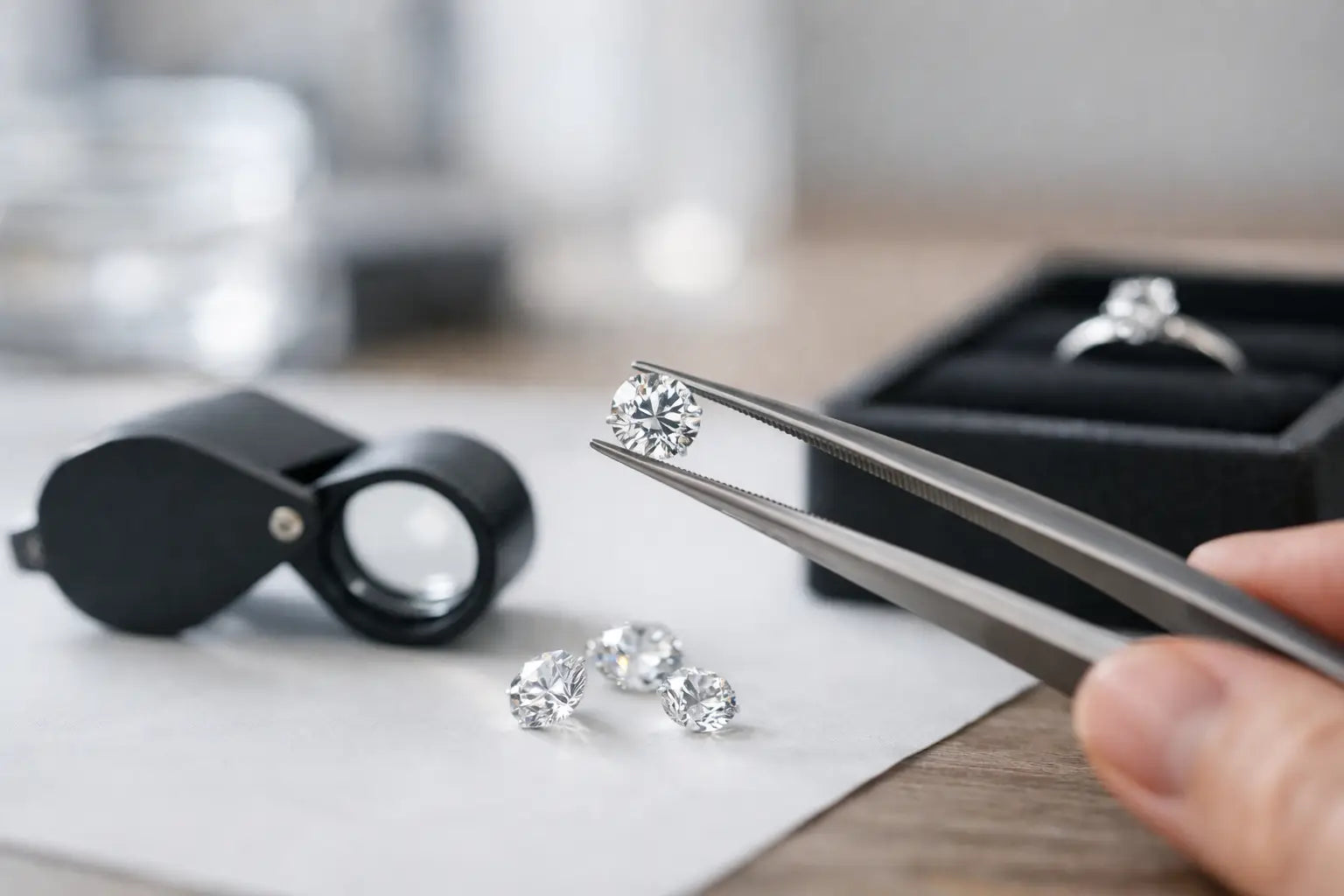
This is where real visuals matter. The certificate provides essential facts, but it cannot fully show a bow tie in an oval, windowing in a pear, or a dark center in a radiant. Ask to review high-resolution imagery or video before making a final decision, especially for larger diamonds and step-cut shapes.
Use the 4Cs as a Smart Trade-Off Tool
The 4Cs - cut, color, clarity, and carat weight - are best viewed as connected choices, not a checklist that requires the highest grade in every category. Lab-grown diamonds make premium specifications more accessible, but paying for qualities you cannot see is rarely the best use of your budget.
Color
Color is graded from D, completely colorless, through Z, which shows a noticeable warm tint. D through F diamonds are colorless, while G through J diamonds may offer excellent value with only subtle warmth. The setting changes what you see. A G or H color diamond can look beautifully white in yellow gold, while a colorless platinum or white gold setting may make higher color grades more appealing.
For an emerald cut or Asscher cut, color is easier to notice because the broad facets act like clear windows. A round brilliant or well-cut radiant can often look bright at a slightly lower color grade. If you are choosing a warmer yellow or rose gold design, a near-colorless diamond may be a particularly intelligent choice.
Clarity
Clarity measures inclusions and surface features under magnification. Many VS and SI clarity lab diamonds are eye-clean, meaning you cannot readily see inclusions without magnification. That makes them strong value choices for most rings, earrings, and pendants.
Step-cut diamonds are the exception worth considering. Their larger, open facets can make inclusions more visible, so you may prefer a higher clarity grade in an emerald or Asscher cut. Rather than paying automatically for flawless or internally flawless clarity, focus on whether the particular diamond looks clean from a normal viewing distance.
Carat Weight and Measurements
Carat is a measure of weight, not visible size. Two 2-carat diamonds can have different face-up measurements based on shape and proportions. Always review millimeter dimensions along with carat weight, particularly when comparing elongated shapes or shopping for a diamond that must fit a specific setting.
A difference of a few points can create a meaningful price change at popular weight thresholds, such as 1, 1.5, 2, or 3 carats. Choosing a diamond just below one of those marks may allow you to preserve size while allocating more toward cut, a custom setting, or a more substantial precious-metal design.
Confirm Certification and Diamond Details
An independent grading report provides a clear record of a diamond's stated 4Cs, measurements, proportions, and identifying report number. Choose a lab-grown diamond with certification from a recognized grading authority, and make sure the report corresponds to the stone you are considering. Many certified diamonds also have a laser inscription on the girdle that matches the report number.
Review the report beyond the headline grades. Check the polish and symmetry ratings, proportions, fluorescence information if listed, and clarity plot. For lab-grown diamonds, the report should identify the stone as laboratory-grown and disclose its growth method or any post-growth treatment when applicable. Transparency is part of buying with confidence, not an extra feature.
Match the Diamond to the Setting and Your Lifestyle
The setting can enhance a diamond or expose choices that looked fine in isolation. A delicate solitaire lets the center stone take full attention. A halo adds visual presence and can make a center diamond appear larger. Three-stone rings bring symbolism and balance, while bezel settings offer a sleek profile and extra protection for active everyday wear.
Consider practical details early. A low-set engagement ring is easier to wear with gloves and less likely to catch on clothing. A high setting can make a diamond look more prominent but may require more care. If a wedding band will sit beside the ring, plan for the profile and gallery so the two pieces rest together comfortably.
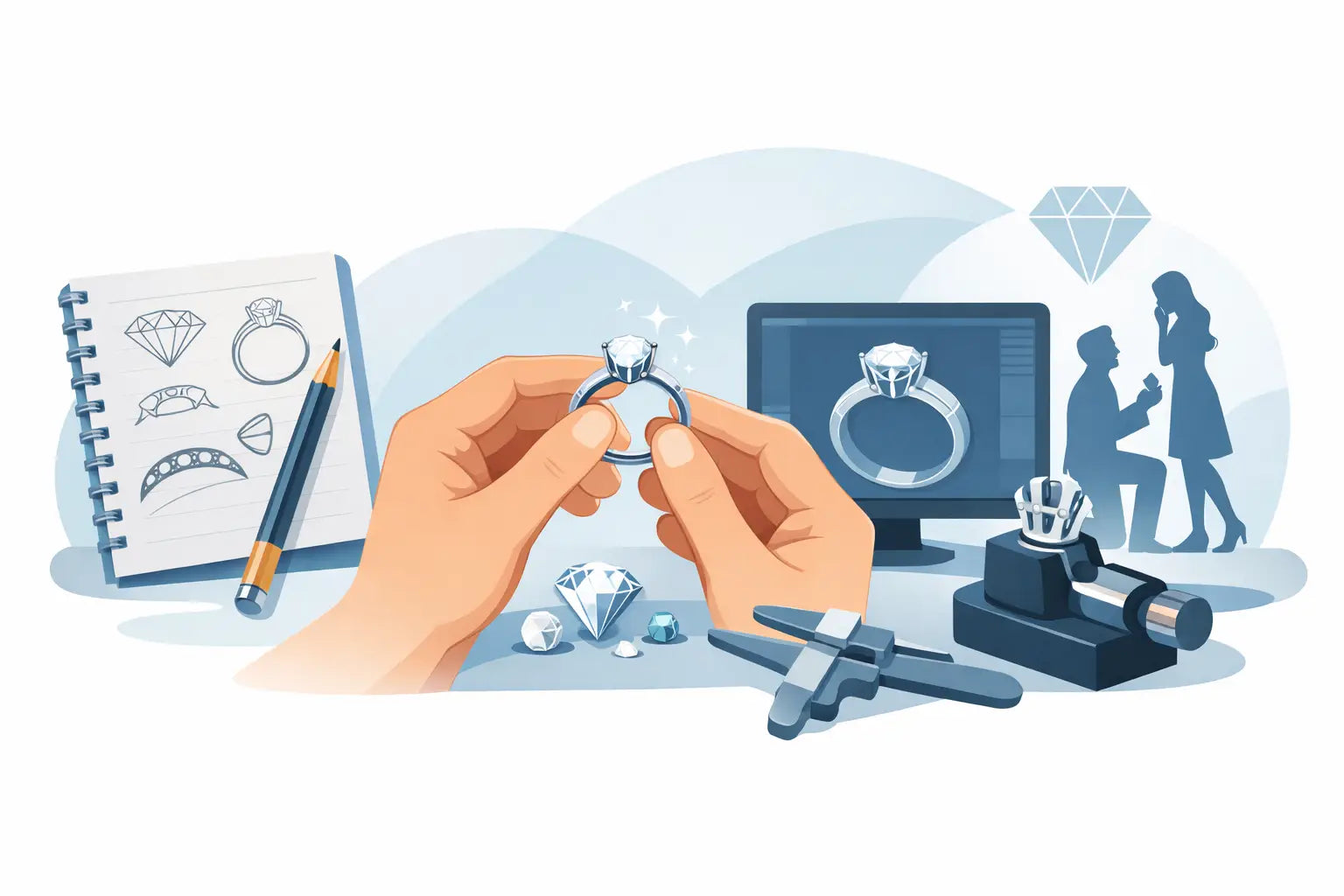
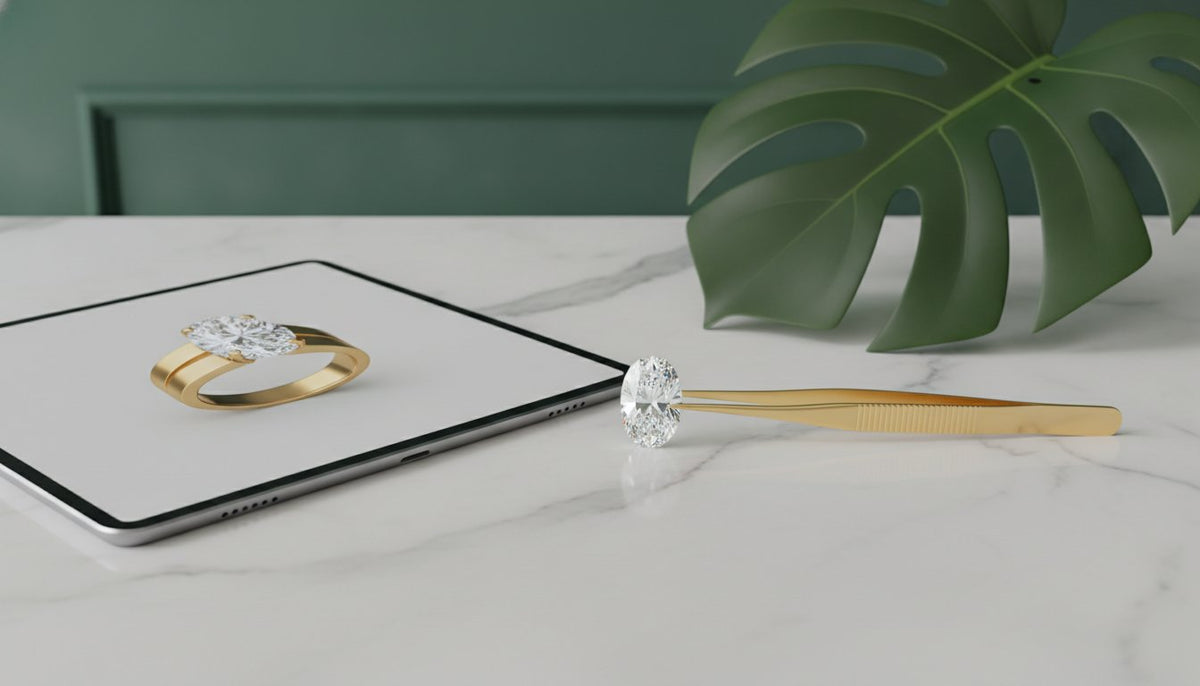
For custom jewelry, it is helpful to select the diamond and setting as a pair. The stone's proportions, shape, and size guide prong placement, band width, and the overall balance of the design. This is especially valuable for elongated fancy shapes, unusually sized diamonds, and heirloom-inspired pieces with detailed metalwork.
Compare the Diamond, Not Just the Price
When two lab diamonds appear similar, compare their actual specifications, images, measurements, and certification instead of assuming the lower price is automatically the better value. A slight difference in cut quality, transparency, or visible inclusions may explain a price gap. On the other hand, you may find that a modestly lower color or clarity grade looks virtually identical while freeing up budget for the setting you really want.
A trusted jeweler should be able to explain those trade-offs plainly, without pressuring you toward unnecessary upgrades. At Eternity LGD, that conversation can extend from diamond consultation through design refinement, production approval, and final inspection, whether you select a ready-to-wear piece or create something entirely personal.
The best lab diamond is the one that looks extraordinary to you, fits the life it is meant to celebrate, and comes with the documentation and craftsmanship that let you enjoy it without second-guessing the decision. Give yourself permission to compare, ask for details, and choose beauty you can see - not just grades you can quote.