2026 Engagement Ring Trends Worth Watching
A proposal ring is becoming less of a category purchase and more of a personal design decision. Couples still want unmistakable sparkle, but the 2026 engagement ring trends point toward rings that feel considered from every angle: distinctive diamond shapes, richer metal tones, expressive settings, and details that reflect the wearer rather than a showroom formula.
The strongest trend is not one specific silhouette. It is the move toward intentionality. A ring can be bold, quiet, vintage-inspired, or sharply modern, as long as it feels like it was chosen for one person and made to be worn for years.
2026 Engagement Ring Trends Favor Personal Style
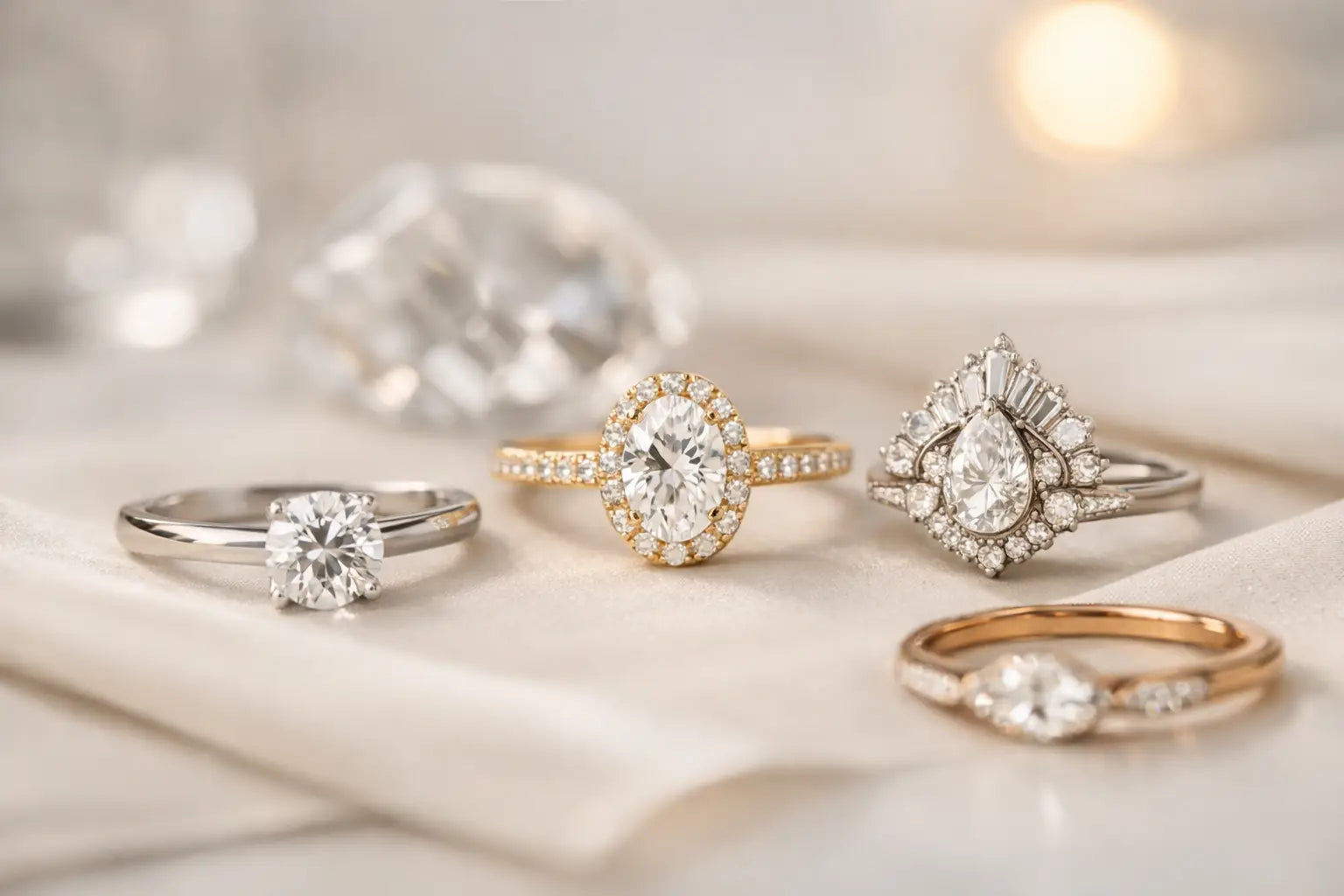
For years, the classic round solitaire set the default for engagement rings. It remains a beautiful and enduring choice, particularly for someone who wants maximum brilliance with minimal fuss. In 2026, however, more buyers are beginning with a question beyond “What is traditional?” They are asking, “What looks like me?”
That shift is showing up in the popularity of custom details. Think a familiar center diamond paired with an unexpected bezel edge, a cathedral setting refined with a hidden halo, or a simple band with a personal engraving. These choices do not need to make a ring complicated. Often, one well-chosen detail is what makes it memorable.
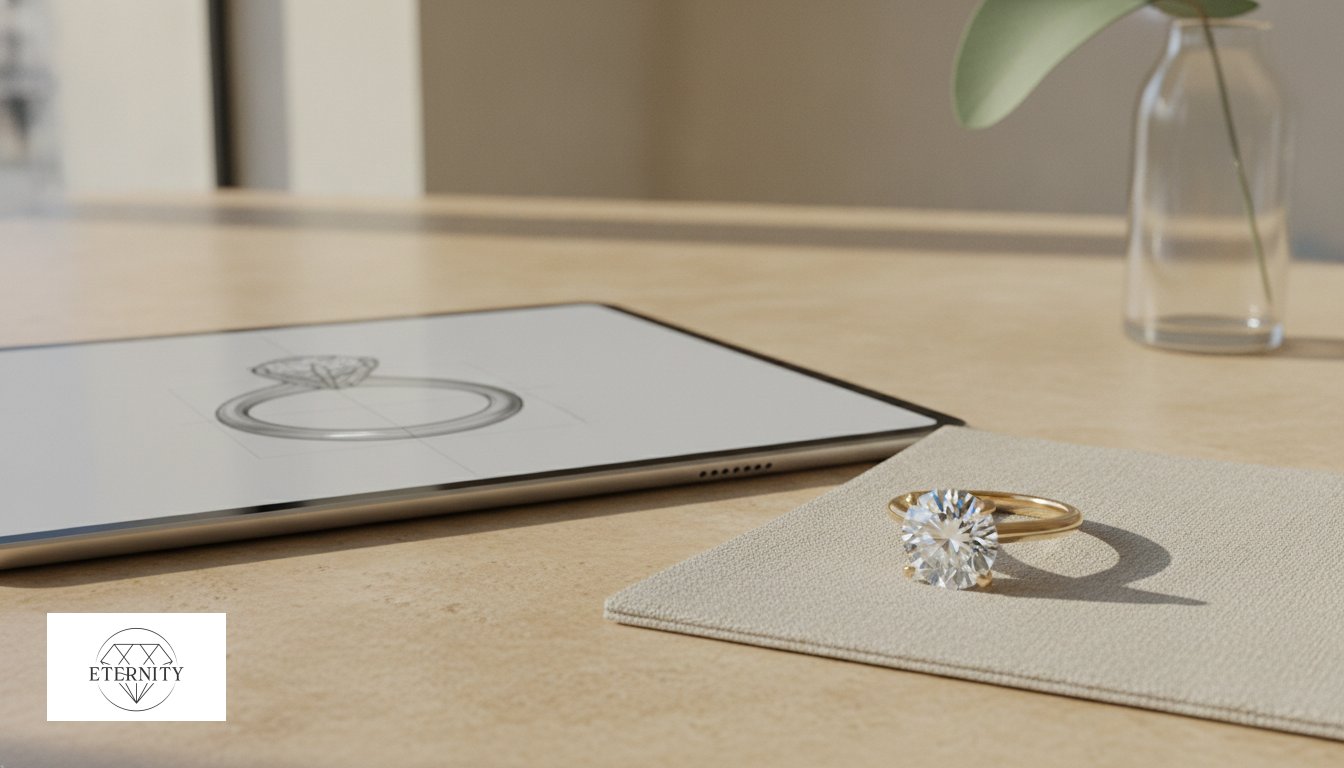
Custom design is especially useful when a buyer likes elements from several rings but cannot find the exact combination ready to purchase. The process can start with the center stone, then move through metal, setting height, side-stone shape, and finishing details. It gives couples room to balance visual impact, comfort, and budget rather than compromising on the part that matters most to them.
Elongated Diamond Shapes Keep Their Appeal
Elongated diamonds are expected to remain highly visible in 2026, led by oval, emerald, radiant, and pear shapes. Their appeal is easy to understand: they can create an elegant lengthening effect on the finger and offer a larger-looking face-up appearance than some round diamonds of comparable carat weight.
Each shape brings a different personality. Ovals are soft and luminous, with a romantic outline that works beautifully as a solitaire or with a delicate halo. Emerald cuts are crisp, architectural, and known for their mirror-like flashes rather than all-over sparkle. They reward buyers who appreciate clean lines and are willing to prioritize clarity. Radiant cuts offer a more energetic look, combining an elongated outline with lively faceting. Pear-shaped diamonds feel a little more individual, whether worn with the point facing toward or away from the hand.
There is a practical trade-off to consider. Elongated diamonds vary widely in their length-to-width ratios, and the right proportion depends on personal preference and ring size. For ovals, pears, and marquise diamonds, look closely for a visible bow-tie shadow across the center. Some contrast is normal, but a prominent dark area can affect the stone’s appearance in everyday light.
Sculptural Settings Add Interest Without Excess
Minimalist rings are not disappearing. Instead, their definition is expanding. In 2026, expect simple rings with more dimensional construction: gently tapered bands, knife-edge profiles, split shanks, low-set baskets, and polished details visible from the side.
The low-profile setting deserves special attention for active lifestyles. By positioning the center diamond closer to the finger, it can reduce snagging and make the ring easier to wear daily. The trade-off is that a lower setting may show less of the diamond’s pavilion from the side, which matters to buyers who love a tall, dramatic presentation. The best setting is the one that complements both the stone and the wearer’s routine.
East-west settings are another design-forward choice gaining traction. Rather than placing an oval, emerald, radiant, or marquise diamond vertically, the stone is set horizontally across the band. The result is contemporary and often more understated than a vertically set elongated diamond. It can also make a familiar shape feel entirely new.
Bezel settings are part of this same practical-luxury movement. A full bezel surrounds the diamond with metal for a sleek, protected finish, while a partial bezel leaves more of the stone visible. Both offer a polished alternative to prongs, especially for buyers drawn to modern jewelry with clean edges.
Yellow Gold and Mixed-Metal Details Bring Warmth
Platinum and white gold continue to suit cool-toned, bright-white diamond looks, but yellow gold is holding its place as a leading choice for 2026. Its warmth can make a colorless or near-colorless lab-grown diamond stand out with beautiful contrast, and it pairs naturally with both contemporary and vintage-inspired settings.
Two-tone designs are also worth watching. A yellow gold band with a white metal head can preserve the warm look of gold while helping the center diamond blend into a bright setting. This approach is particularly attractive for buyers who want the visual advantages of white prongs without giving up the richness of yellow gold.
Metal choice should be based on more than trend. Consider existing jewelry, skin tone preferences, maintenance expectations, and the color of the diamond. White gold may need occasional rhodium plating to maintain its bright finish, while platinum develops a soft patina over time. Neither is automatically better. They simply wear differently.
The Return of Meaningful Side Stones
Side stones are becoming more expressive, not merely larger. Tapered baguettes, trapezoids, half-moons, pear accents, and petite colored gemstones can give an engagement ring a tailored presence. A three-stone ring, for example, remains meaningful for couples who connect the design to a past, present, and future story.
The key is proportion. Side stones should frame the center diamond instead of competing with it. An emerald-cut center diamond may look especially balanced with tapered baguettes, while an oval can take on a softer, more romantic feel with pear-shaped side stones. For a quieter effect, a hidden halo or diamond-accented bridge adds sparkle that appears only when the ring moves.
Colored accents are also gaining attention, particularly sapphire, emerald, and ruby details set beneath the center stone or inside the band. This is a subtle way to include a birthstone, a favorite color, or a private reference without changing the classic look of the ring from the top.
Lab-Grown Diamonds Make Design Choices More Flexible
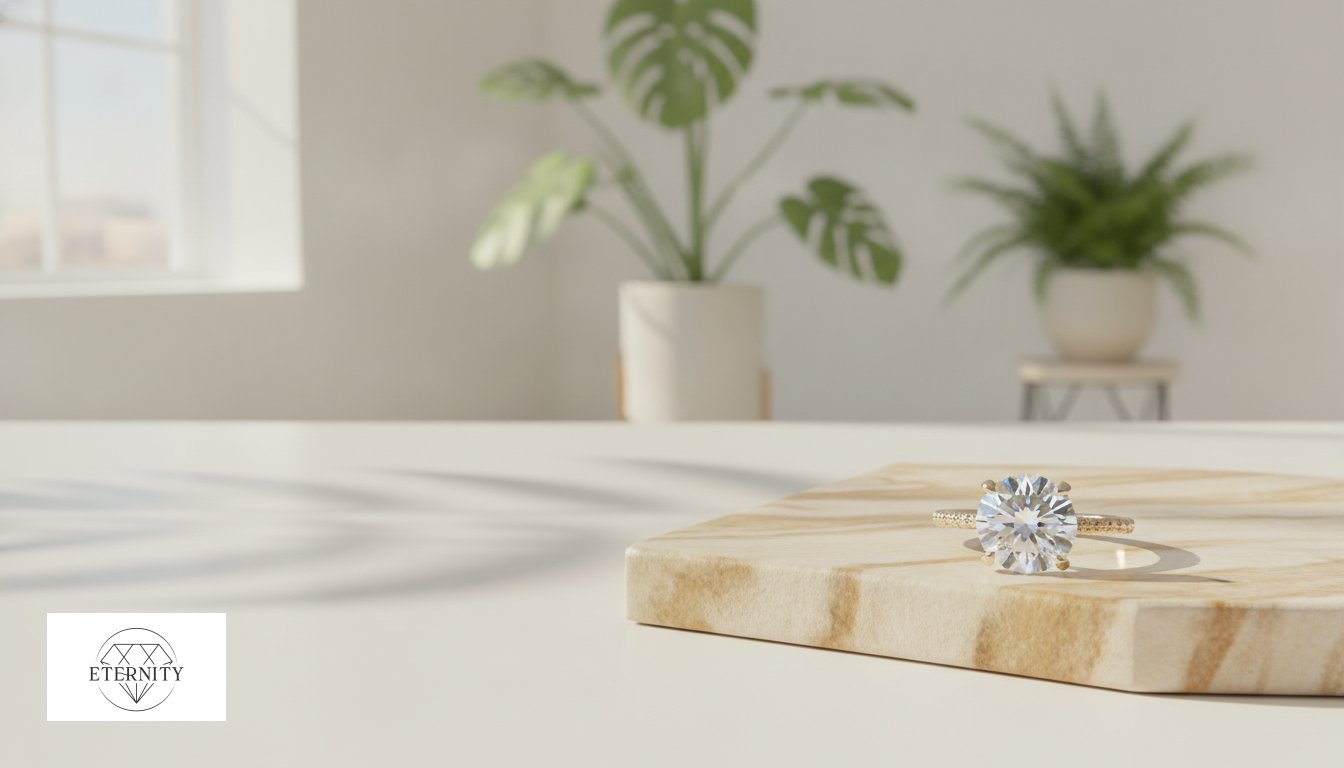
One of the most practical forces behind 2026 engagement ring trends is the continued appeal of lab-grown diamonds. They have the same physical, chemical, and optical properties as mined diamonds, while often allowing buyers to put more of their budget toward carat weight, cut quality, or a custom setting.
That flexibility can change the design conversation. Instead of deciding between a larger center stone and a more detailed setting, many couples can consider both. A buyer who loves an elongated radiant diamond, for instance, may have more room to choose a well-proportioned stone with strong visual presence and pair it with carefully selected side stones.
Value does not mean skipping the details. Ask for transparent diamond specifications and an independent grading report. Review the stone’s cut characteristics, color, clarity, measurements, and overall proportions. Videos and close-up imagery are helpful, but seeing how a diamond performs across different lighting is equally valuable when available.
Build a Ring for Everyday Life, Not Just the Proposal
A ring should photograph beautifully, but it also needs to work at a keyboard, at the gym, during travel, and through ordinary days. This is where thoughtful design matters more than a passing trend. Consider band width, center-stone height, prong security, and whether the future wedding band will sit flush against the engagement ring.
If a flush fit matters, discuss it early. Some low-profile settings require a contoured wedding band, while others are designed to accommodate a straight band beneath the center setting. Neither choice is wrong, but knowing the difference prevents surprises later.
Ring size is another detail worth getting right before production. Wider bands can feel tighter than slim ones, and finger size naturally changes with temperature, travel, and time of day. A professional sizing approach makes the finished ring feel as good as it looks.
The most lasting trend is a ring that feels unmistakably personal when it is slipped on. Whether that means an emerald-cut lab-grown diamond in a clean bezel, an oval solitaire in yellow gold, or a fully custom three-stone design, choose the details that will still make sense long after 2026 has passed.