Engagement Rings That Feel Personal and Last
A great proposal may be a surprise, but choosing an engagement ring should not feel like one. The best engagement rings reflect the person who will wear them every day: their style, routines, priorities, and the future they are building with you. That calls for more than choosing a carat number or copying a trend from social media.
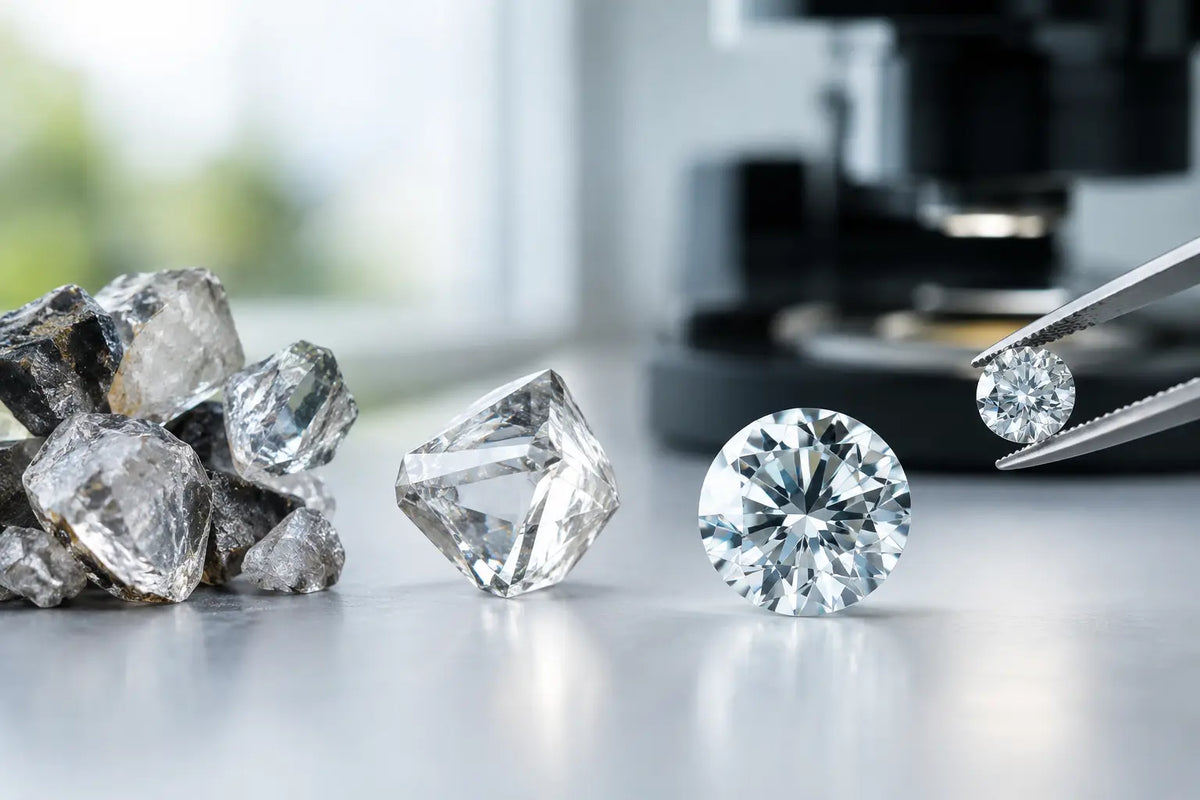
For many modern couples, lab-grown diamonds make that choice more flexible. They are real diamonds with the same physical, chemical, and optical properties as mined diamonds, yet they can allow more room in the budget for a larger center stone, a thoughtful setting, or custom details that make the ring unmistakably yours.
Start With the Feeling, Then Choose the Ring
Before comparing diamond specifications, consider the feeling you want the ring to have. Is it refined and minimal, romantic and vintage-inspired, bold and architectural, or quietly classic? A ring can be timeless without looking like everyone else’s.
Pay attention to the jewelry they already wear. Someone drawn to clean gold hoops and tailored clothing may love a streamlined solitaire with a slim band. Someone who layers necklaces, mixes metals, and enjoys expressive accessories may prefer an oval or pear-shaped diamond, a distinctive east-west setting, or a band with side stones.
Lifestyle belongs in this conversation, too. A high-set center diamond creates beautiful presence and lets in plenty of light, but it can catch on gloves, knitwear, or active hands. A lower-profile setting, bezel, or cathedral design may better suit someone who works with their hands, spends time at the gym, or simply prefers an easy, practical fit. There is no universally best setting. There is only the design that works beautifully for the person wearing it.
Choose a Diamond Shape Before Chasing Carat Weight
Carat weight matters, but it does not tell the full visual story. Diamond shape, proportions, and setting style all influence how large a stone appears on the hand.
Oval, pear, marquise, and emerald-cut diamonds often create an elongated look, which can make the finger appear longer and the center stone seem more substantial. Round brilliant diamonds are prized for their classic sparkle and versatile styling. Cushion cuts bring a softer, romantic outline, while radiant cuts offer crisp edges and lively brilliance. Asscher and emerald cuts have a more geometric, hall-of-mirrors look that rewards clean clarity and thoughtful proportions.
A 2-carat diamond in one shape will not necessarily look the same size as a 2-carat diamond in another. This is why viewing measurements in millimeters is just as useful as looking at carat weight. A well-proportioned diamond with a flattering face-up spread may feel more impressive than a heavier stone with less visual presence.
The 4Cs Still Matter, With a Modern Perspective
Color, clarity, cut, and carat weight remain useful tools for comparing diamonds. The key is knowing where your eye will notice a difference and where you may be paying for details that are difficult to see without magnification.
Cut is especially important for brilliance, particularly in round diamonds and other faceted brilliant cuts. Color preferences depend on the setting. A bright white metal setting often pairs beautifully with a near-colorless diamond, while yellow or rose gold can complement a warmer stone. For clarity, many buyers choose an eye-clean diamond, meaning inclusions are not visible in normal viewing conditions, rather than paying for an exceptionally high clarity grade they cannot see.
Every lab-grown diamond should be evaluated individually. Review its grading report, proportions, and any available imagery, then ask questions about the details that affect its appearance. Clear specifications help turn a major purchase into an informed one.
Select a Setting That Supports Your Daily Life
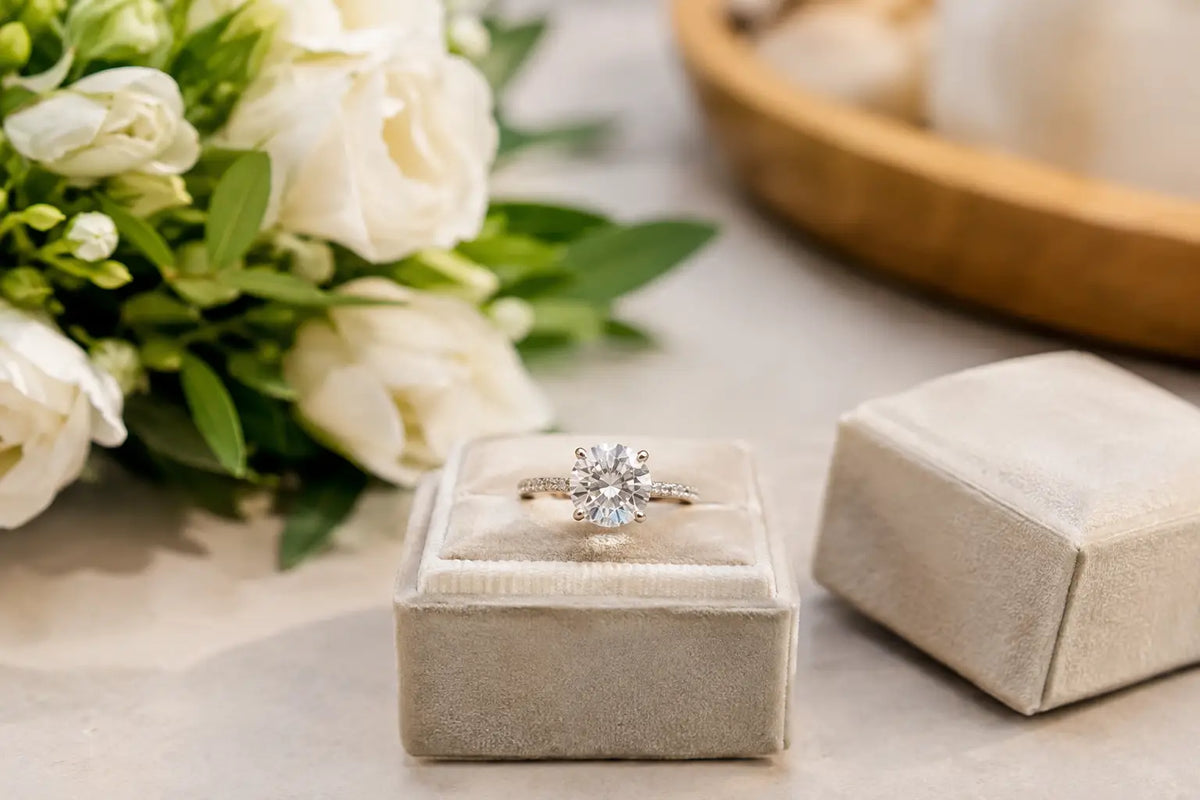
The setting gives an engagement ring its personality and protects the center diamond. A solitaire is enduring because it puts the diamond first and works with nearly any wedding band. A hidden halo adds a touch of sparkle from the side while keeping the top view clean. Three-stone rings carry natural symbolism for a couple’s past, present, and future, and can bring extra width and brilliance to the design.
For a more protective, contemporary look, consider a bezel setting. Metal wraps around the diamond’s edge, creating a sleek profile that is often a smart choice for active lifestyles. Pavé bands offer shimmer across the finger, though they may require more attentive maintenance over time than a plain metal band. This is not a reason to avoid pavé. It is simply a trade-off worth understanding before you choose.
Metal also changes the final character of the ring. Platinum is naturally white, durable, and substantial, while white gold offers a bright, classic finish at a different price point. Yellow gold feels warm and traditional but can look striking in very modern designs. Rose gold has a soft, romantic tone that stands apart without overwhelming the center stone.
Make Room for Meaningful Custom Details
Custom engagement rings are not limited to dramatic, one-of-a-kind designs. Sometimes customization is as simple as adjusting the band width, choosing a secure low-profile setting, adding a hidden birthstone, or selecting a diamond shape that speaks to your partner’s style.
A thoughtful custom process should feel clear from the beginning. It starts with a diamond consultation and a discussion of your style, budget, and timeline. From there, the design can be developed and refined before production begins. Reviewing the final details before approval provides confidence that the ring will reflect what you intended, not merely what was available.
At Eternity LGD, the custom-design process is built around those practical checkpoints, from concept development through inspection and delivery. That structure is valuable whether you arrive with a fully formed vision or only know that the ring should feel personal.
Set a Budget Around Priorities, Not Pressure
There is no single correct amount to spend on an engagement ring. The right budget is one that honors the moment without creating financial strain. Lab-grown diamonds give many couples a meaningful advantage here: they can prioritize size, quality, customization, or a combination of all three at a more accessible price than they may expect.
Decide what matters most before you shop. If visual size is the priority, an elongated shape and a thoughtfully chosen lab-grown diamond can create more presence within your budget. If heirloom-inspired craftsmanship is the goal, you may prefer to invest in a detailed setting and select a diamond that is eye-clean and beautifully cut rather than flawless on paper. If you want a classic ring that will pair easily with future anniversary bands, a simple solitaire may leave room for future additions.
Avoid treating a higher grade as automatically better. A diamond’s beauty is personal, and the most satisfying choice is often the one that balances appearance, craftsmanship, and cost with care.
Get the Fit Right Before the Proposal
Ring size is easy to overlook until the ring is ready. If the proposal is a surprise, borrowing a ring they already wear can provide a starting point, although fingers and ring sizes vary by hand. A sizing tool, an appointment, or guidance from a jewelry professional can help reduce the guesswork.
Remember that finger size can shift with temperature, travel, activity, and time of day. If a ring lands between sizes, the width of the band and the setting style may influence the best fit. Resizing is possible for many designs, but some rings, especially those with stones around the entire band or intricate patterns, can be more complex to adjust. Planning ahead is kinder to both the ring and the timeline.
Think Beyond the Day You Give It
An engagement ring becomes part of ordinary life after the proposal. It will catch morning light at the kitchen table, appear in photos years from now, and accompany countless small milestones. Choose a design you can maintain and enjoy, not one that only looks good in a display case.
Keep the grading report and purchase documentation in a safe place. Schedule periodic inspections to make sure prongs remain secure, clean the ring gently as recommended, and remove it during activities that could expose it to harsh chemicals or hard impact. Warranty coverage, repair support, and future upgrade or buyback options can also add peace of mind over the years.
The right ring does not need to follow a rulebook. It needs to feel considered when it is first opened, comfortable when it is worn every day, and meaningful long after the question has been answered.