How to Choose the Right Lab Diamond Necklace Gift
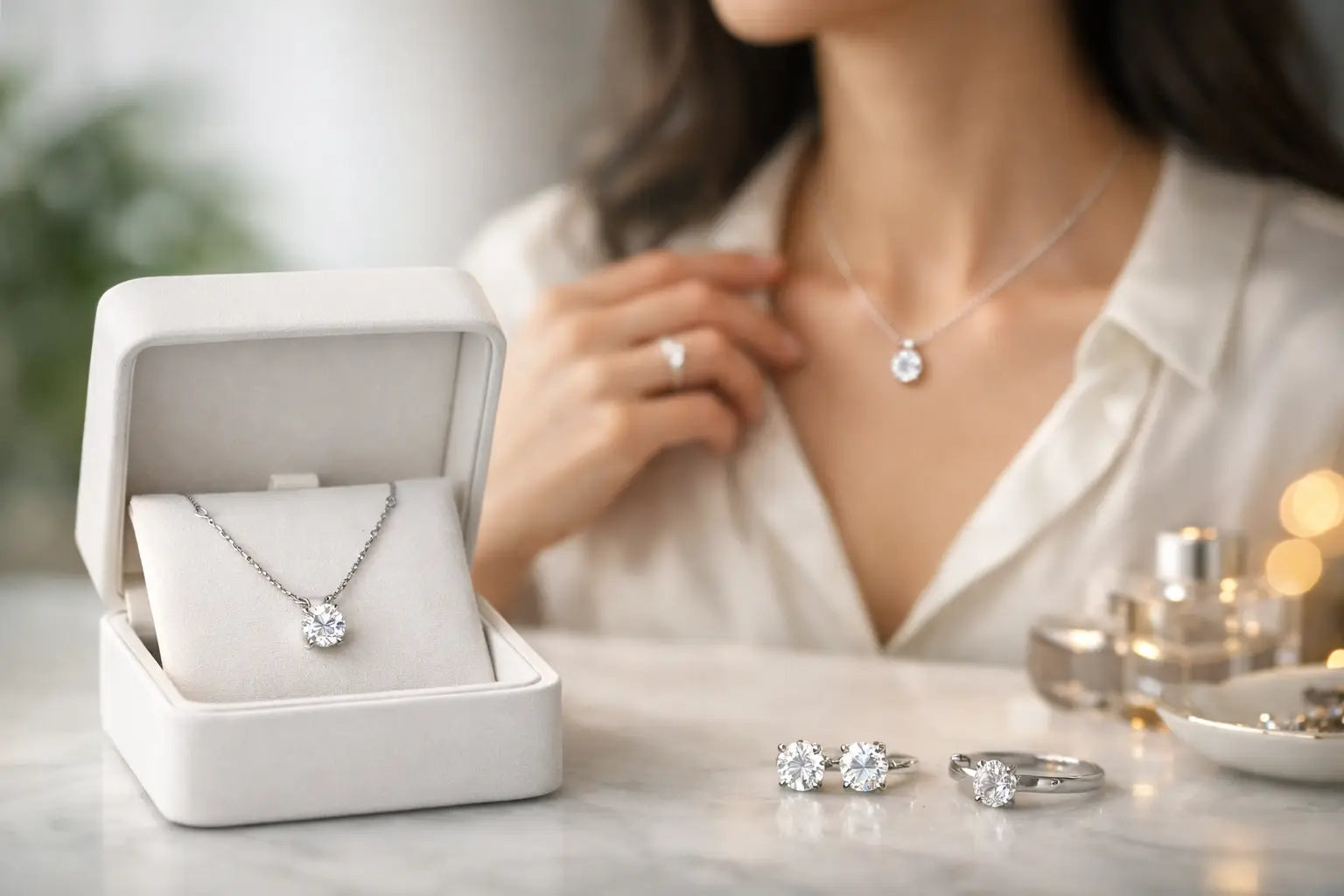
A lab diamond necklace gift is often chosen for a milestone, but its real appeal is how naturally it becomes part of someone’s everyday life. Unlike a ring that may require a perfect size or a bold piece reserved for special occasions, a diamond necklace can sit close to the heart, layer with favorite pieces, and quietly mark a birthday, anniversary, graduation, new chapter, or simply a well-deserved moment.
The best choice is not always the largest diamond or the most elaborate setting. It is the necklace that feels like it was selected with the wearer in mind: their style, the way they dress, the jewelry they already reach for, and the meaning you want the gift to carry.
Start With the Moment You Are Celebrating
The occasion can shape the design without making the gift feel predictable. For an anniversary or romantic occasion, a solitaire pendant, two-stone design, or initial detail can feel intimate without being overly formal. A graduation gift may call for a clean, modern pendant that works from interviews to celebrations. For a birthday or personal achievement, a fashion-forward bezel setting or distinctive diamond shape can speak to individuality.
Think about how much sentiment the recipient enjoys wearing openly. Some people love jewelry that starts conversations. Others prefer a meaningful detail only they know is there, such as an engraved initial, a subtle birthstone accent, or a diamond selected in a favorite shape.
A necklace also gives you flexibility when the relationship is still developing. It can be deeply thoughtful without carrying the specific symbolism of an engagement ring. That makes it a strong choice for a first major gift, a holiday surprise, or a milestone that deserves more than something temporary.
Choose a Lab Diamond Necklace Gift Around Their Style
Before comparing carat weights, look at the jewelry they wear most often. The metal color is an easy first clue. If they consistently wear yellow gold hoops or a warm-toned watch, yellow gold may feel immediately at home. White gold offers a crisp, classic look that lets a white diamond take center stage. Rose gold brings a softer, romantic warmth, while platinum is prized for its naturally white appearance and enduring feel.
Next, consider whether their style is minimal, classic, or expressive. A classic round brilliant solitaire is hard to outgrow and easy to wear every day. Oval, pear, and marquise diamonds create a more elongated silhouette, often adding personality without requiring a large carat weight. Emerald-cut diamonds have clean, mirrored facets and a tailored look, while heart shapes are unmistakably sentimental.
Setting style matters just as much. A prong setting allows more light around the diamond and creates a traditional fine-jewelry profile. A bezel wraps the diamond in a smooth rim of metal, giving the necklace a contemporary appearance and adding practical protection for frequent wear. A halo can create more visual presence, while a cluster design offers sparkle and dimension through several diamonds rather than one center stone.
There is no universally better option. A bezel pendant may be ideal for someone active or drawn to modern jewelry, while a prong-set solitaire may better suit someone who loves timeless pieces. The right design is the one they will reach for on an ordinary Tuesday, not only on a dress-up night.
Understand the Diamond Details That Affect Beauty
Lab-grown diamonds are real diamonds, created in controlled laboratory environments rather than mined from the earth. They share the same fundamental chemical, physical, and optical properties as mined diamonds. That means they deliver the familiar brilliance, fire, and durability people expect from diamond jewelry.
Their value proposition is especially meaningful in a necklace gift: the budget may allow you to prioritize a larger center diamond, a higher color or clarity range, a more detailed setting, or all three in thoughtful balance. Still, size alone should not make the decision.
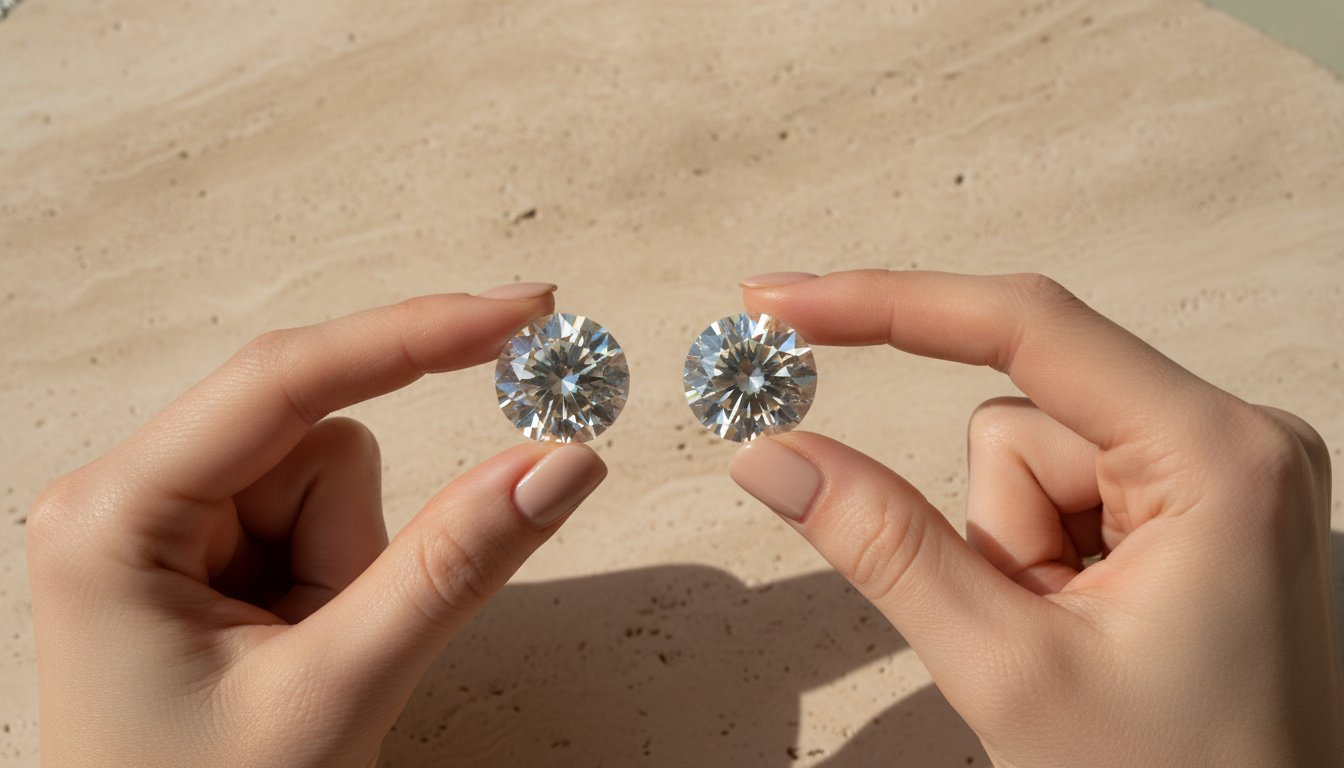
For a solitaire pendant, cut quality has a major effect on sparkle. A well-cut round diamond often appears lively even at a modest carat weight. With fancy shapes such as oval or pear, review the stone’s overall outline and light performance rather than relying only on listed grades. Some elongated shapes can show a darker area across the center, often called a bow-tie effect. A subtle bow tie can be normal; a pronounced one may distract from the diamond’s brightness.
Color and clarity preferences depend on the setting and diamond shape. In many white-metal pendants, a near-colorless diamond can offer a bright appearance without stretching the budget for the highest color grade. In yellow or rose gold, a slightly warmer diamond may blend beautifully with the metal. For clarity, look for a diamond that appears clean to the unaided eye when worn. Tiny inclusions that are not visible in normal viewing do not necessarily diminish the enjoyment of the piece.
For significant diamond purchases, an independent grading report adds useful transparency. It documents key specifications, including the diamond’s shape, carat weight, color, clarity, and cut information when applicable. It is a practical tool for comparing options confidently, especially when selecting a larger center stone.
Carat Weight Should Match the Design
A 0.25-carat diamond pendant can look refined and intentional, particularly for daily wear or layering. Around 0.50 to 1 carat, a solitaire becomes more noticeable while remaining versatile. Larger diamonds make a striking statement, but they may not suit someone who prefers understated jewelry or works in a setting where subtle accessories feel more comfortable.
Diamond shape also influences perceived size. Oval, pear, marquise, and emerald-cut diamonds can appear larger across the neckline than a round diamond of the same carat weight. If visual presence matters, choosing an elongated shape can be a smart alternative to increasing carat weight.
Get the Chain Length and Proportions Right
Chain length changes how a necklace looks more than many gift buyers expect. An 16-inch chain sits close to the neck and creates a delicate, polished look. An 18-inch chain is a popular everyday length because it typically falls around the collarbone. A 20-inch chain provides more space and can be helpful for a taller frame, a higher neckline, or a recipient who likes relaxed styling.
If you are unsure, an adjustable chain offers welcome flexibility. It allows the wearer to shift the pendant depending on an outfit or layer it with other necklaces. This is often one of the most thoughtful practical features, especially when you cannot discreetly confirm their preferred length.
Pay attention to the pendant’s scale as well. A large diamond on a very fine chain can feel visually unbalanced, while an overly heavy chain can compete with a petite stone. The chain should support the pendant securely and complement its proportions, not steal attention from it.
Make the Gift Feel Personal, Not Generic
Personalization does not have to mean adding every possible detail. In fact, one meaningful choice usually has more impact than several decorative ones. An engraved date on the back of a pendant, a hidden initial, a diamond shape connected to their style, or a custom design based on a shared memory can turn fine jewelry into a keepsake.
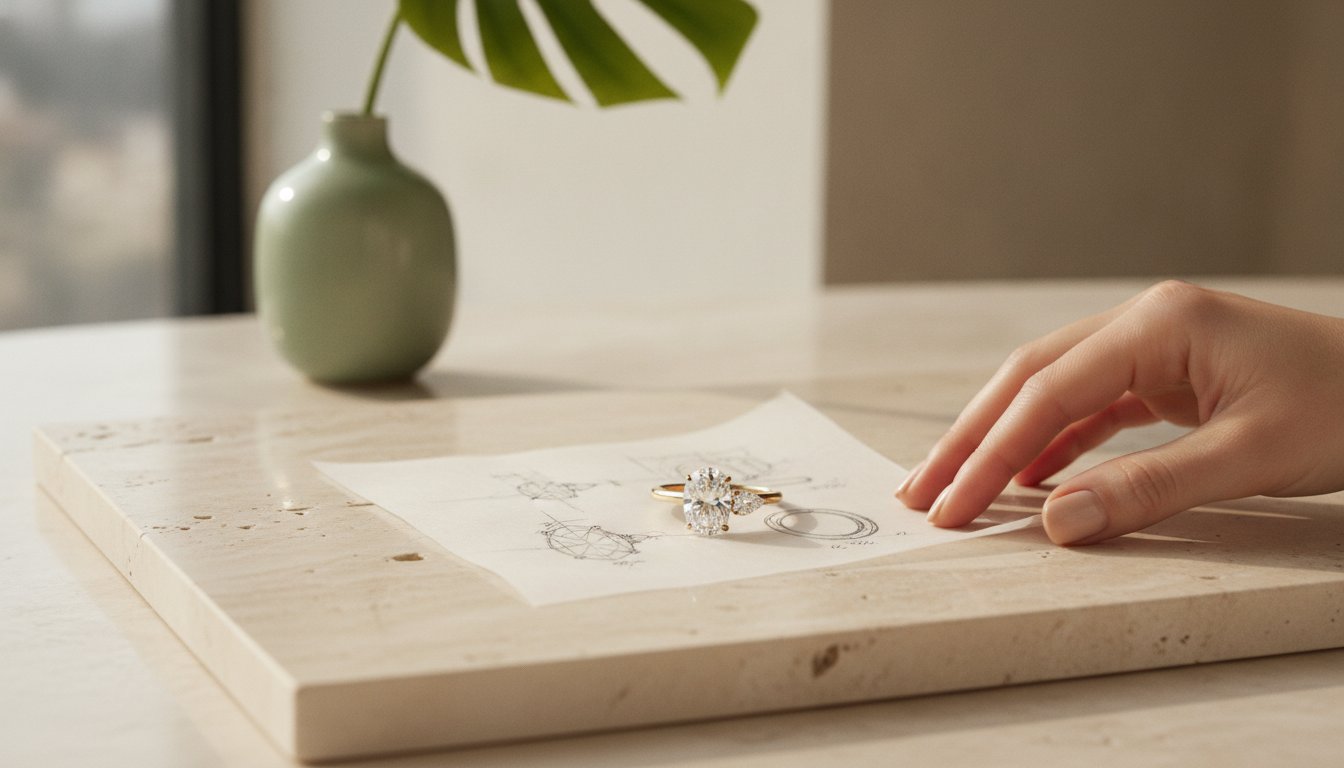
Custom design is especially worthwhile when you have a clear vision that is difficult to find ready-made. Perhaps the recipient has an heirloom-inspired aesthetic, wants a pendant that coordinates with an engagement ring, or loves a symbol that deserves a more refined interpretation. The process should include a diamond consultation, design development, refinements, and approval before production, so the finished necklace feels considered rather than improvised.
If the gift is a surprise, avoid guessing at highly specific preferences just to make it seem more customized. A beautifully made classic pendant in their preferred metal is more personal than an elaborate design that does not match their taste.
Consider Everyday Wear and Long-Term Care
A diamond is durable, but a necklace is still fine jewelry. Prongs should be periodically inspected, clasps should close securely, and the piece should be stored separately when not worn to help prevent chain tangling and surface scratches. Remove it before strenuous activity, swimming, or using household chemicals.
A necklace intended for constant wear benefits from a secure setting and a chain suited to the wearer’s routine. This is where a bezel setting, an adjustable chain, or a slightly more substantial design can be a sensible choice. For a more delicate pendant, occasional professional inspection helps protect the investment and keeps the diamond looking its best.
When comparing jewelers, look beyond the initial presentation. Clear specifications, grading documentation where appropriate, warranty coverage, and available repair, upgrade, or buyback support can add confidence long after the gift is opened.
The most memorable necklace is not defined by a single number on a diamond report. It is the piece that reflects how well you see the person receiving it. Choose a design with room in their real life, add a detail that feels true to your relationship, and let the diamond become part of the moments still ahead.