Article: What a Lab Diamond Appraisal Can Tell You

What a Lab Diamond Appraisal Can Tell You
A diamond grading report tells you what a lab-grown diamond is. A lab diamond appraisal helps establish what the finished piece may cost to replace, insure, or document for a specific purpose. Those are related documents, but they are not interchangeable - and understanding the difference can save confusion at the moment you need your jewelry records most.
For an engagement ring, anniversary gift, or custom diamond piece, an appraisal is less about proving that your jewelry is meaningful. It is about creating a clear, professional record of its characteristics and value. The right appraisal gives you practical support for insurance, estate planning, a jewelry claim, or simply your own peace of mind.
What Is a Lab Diamond Appraisal?
A lab diamond appraisal is a written opinion of value prepared by a qualified independent jewelry appraiser. It generally identifies the jewelry, describes the diamond and mounting, and explains the type of value being stated. For insurance purposes, that is often a replacement value: the estimated cost to replace a comparable item at current retail prices.
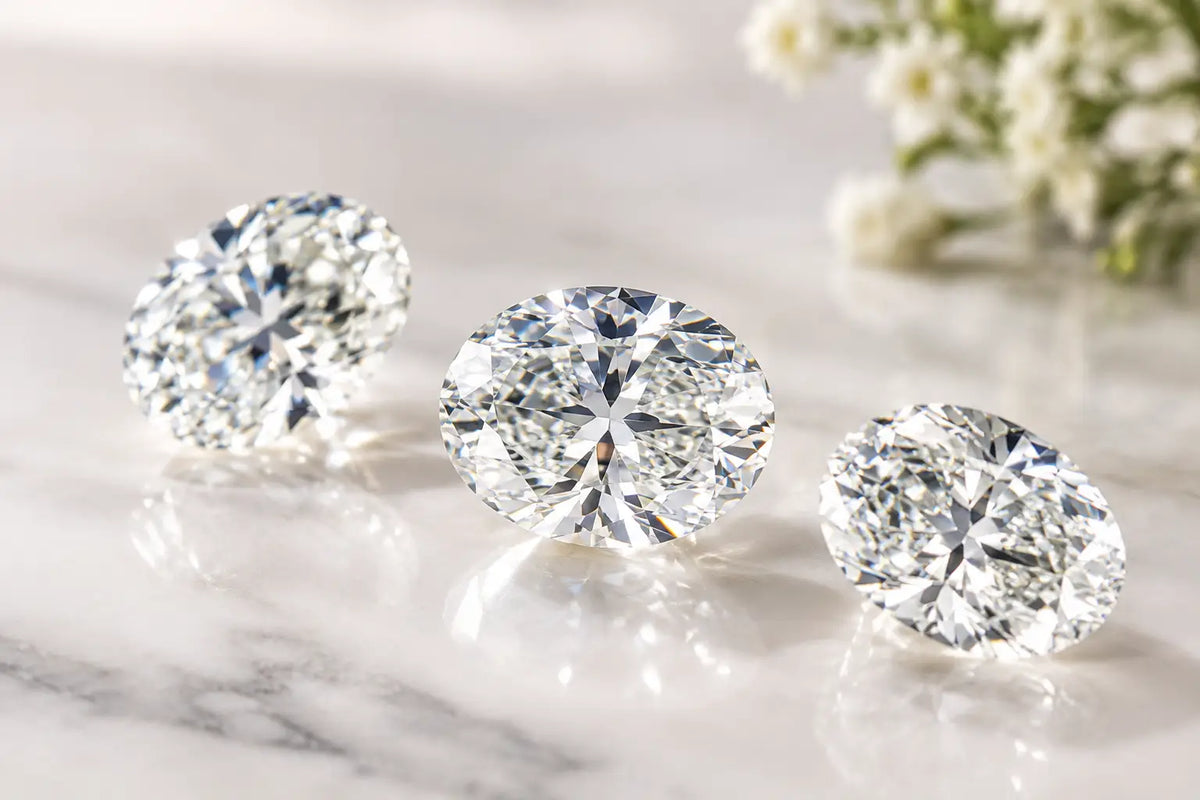
Lab-grown diamonds have the same chemical composition, crystal structure, and optical properties as mined diamonds. An experienced appraiser evaluates them as diamonds while correctly identifying their laboratory-grown origin. The appraisal should also reflect the reality that lab-grown and mined diamond markets are priced differently.
A strong report documents more than a carat number. It may include the diamond’s shape, measurements, color, clarity, cut details, fluorescence, laser inscription if present, report number, and any observable characteristics. For a ring or other finished piece, it should also describe the metal, metal purity, setting style, side stones, total carat weight, and condition.
A Grading Report and an Appraisal Serve Different Jobs
Many lab-grown diamonds are sold with a grading report from a recognized gem laboratory. That report provides an independent assessment of the loose diamond’s quality characteristics. It is a valuable purchase document, especially when you are comparing diamonds by cut, color, clarity, and carat weight.
It is not, however, an insurance appraisal. A grading report does not assign replacement value, account for the setting, or calculate the cost of recreating a finished custom piece. It also cannot describe later resizing, repairs, upgrades, or changes made after the diamond was graded.
Think of the grading report as the diamond’s technical profile and the appraisal as the jewelry item’s value record. Keep both. Along with your purchase receipt, detailed photos, warranty information, and any design sketches, they form a far more useful ownership file than any one document alone.
When You May Need a Lab Diamond Appraisal
Insurance is the most common reason to request an appraisal. Many insurers ask for one when you schedule a valuable ring, necklace, bracelet, or pair of earrings separately from your homeowners or renters policy. Requirements vary, so check with your insurer before commissioning a report. Some may set their own limits, request an updated appraisal after a certain period, or ask for particular details.
An appraisal can also be helpful when jewelry is part of an estate, a divorce settlement, a gift record, or a formal asset inventory. In these situations, the purpose of valuation matters greatly. Replacement value, fair market value, liquidation value, and estate value can produce different figures for the same ring because they answer different questions.
That distinction is especially relevant for lab-grown diamonds. Retail replacement cost is not the same as cash resale value. Like most fine jewelry, a lab-grown diamond piece may sell secondhand for considerably less than its original retail price. Market supply, demand, brand recognition, condition, and the cost of remounting or reselling all affect resale offers. An honest appraiser will state the intended use of the report rather than presenting one number as the answer to every value question.
What an Appraiser Looks At
The appraiser begins with identification. If your diamond has a report number or a laser inscription, they may verify it against the accompanying documentation. They will inspect the stone and jewelry under magnification, take measurements, assess workmanship, and examine the setting for wear or damage.
For a lab-grown diamond, quality still matters. A well-cut diamond with balanced proportions can appear brighter and more lively than a larger stone with weaker light performance. Color, clarity, carat weight, shape, and the presence of any treatments or post-growth processes may also be noted. The appraiser then considers the setting’s metal content, design complexity, accent diamonds, and the labor required to reproduce the piece.
Custom jewelry deserves particular care. A bespoke halo, an intricate hidden detail, a distinctive band profile, or a precisely matched pair of earrings cannot always be valued as though it were a basic stock setting. Photographs and production details help document those features, especially for made-to-order designs.
How to Choose an Appraiser
Look for an independent professional with gemological training, appraisal education, and experience evaluating lab-grown diamonds. Independence matters because the appraisal should be an objective opinion, not a sales pitch. Ask whether the appraiser regularly handles laboratory-grown diamonds and whether they can explain the valuation approach in plain language.
Before your appointment, clarify the assignment. Are you seeking an insurance replacement appraisal, fair market value for a private sale, or documentation for an estate? A qualified appraiser should tell you what kind of report fits that purpose and what their fee covers. Be cautious with unusually high valuations that seem designed to flatter a purchase rather than support a realistic insurance need. Overinsuring can mean paying higher premiums without receiving a practical benefit.
Bring the diamond grading report, sales receipt, warranty documents, and clear photos if available. If your jewelry was custom-made, include any design renderings or specifications. These materials do not replace physical inspection, but they give the appraiser a more complete picture of the piece.
Insurance Value Is Not a Promise of a Cash Payout
Insurance language can feel reassuring, but it deserves a close read. A scheduled jewelry policy may provide for repair, replacement, cash settlement, or another outcome defined by the policy terms. Some policies allow you to work with a jeweler you choose; others may direct replacement through their own process.
Before you insure a lab-grown diamond ring, ask what happens if the item is lost, stolen, or damaged beyond repair. Ask whether the policy covers mysterious disappearance, whether there is a deductible, and whether the insurer requires periodic appraisal updates. The answers can matter as much as the valuation figure itself.
If the ring has strong sentimental value, retain detailed photographs from several angles. Capture unique engraving, side profiles, hidden accents, prong style, and any personalized design details. A replacement diamond can be selected to match the original specifications, but recreating the feeling of a beloved design is easier when the documentation is thorough.
When to Update Your Appraisal
There is no single timetable for every jewelry owner. Updating every few years is a sensible starting point for a frequently worn engagement ring, particularly if insurance requires it. You should also consider an update after a major repair, resizing that changes the structure of the ring, a diamond upgrade, substantial modifications, or a major shift in your coverage.
For lab-grown diamonds, market pricing can change more quickly than some shoppers expect. An older insurance appraisal may therefore not reflect the current cost to purchase a comparable diamond and setting. That does not make your jewelry less beautiful or less personal. It simply means the paperwork should reflect the purpose it is meant to serve today.
Keep the Documents That Protect the Story
Your jewelry file does not need to be complicated. Keep digital copies of the grading report, receipt, appraisal, photographs, and any repair or upgrade records in a secure location separate from the jewelry itself. Store the original documents safely as well.
A lab-grown diamond purchase can be both emotionally significant and financially thoughtful. Whether you choose a classic solitaire or a one-of-a-kind custom design, accurate documentation lets you enjoy the piece without guessing what would happen if life takes an unexpected turn. The best appraisal is one that records your jewelry clearly, values it for the right purpose, and leaves you free to wear it with confidence.