Do Lab Diamonds Hold Value? What Buyers Should Know
A 2-carat lab-grown diamond can make an engagement ring feel wonderfully generous without stretching a couple’s budget past its comfort zone. But when shoppers ask, “do lab diamonds hold value?” they are usually asking a more personal question: Will this purchase still feel smart years from now?
The honest answer is that lab-grown diamonds can hold personal, design, and material value, but they generally should not be purchased with the expectation of strong resale appreciation. Like most fine jewelry bought at retail, a lab diamond ring is primarily a meaningful wearable purchase, not a financial investment. Understanding that distinction makes it much easier to choose a piece you will love now and feel good about owning later.
Do Lab Diamonds Hold Value on Resale?
Lab-grown diamonds typically have lower resale values than their original retail prices, and that resale value can change over time. The reason is straightforward: laboratory diamond production has become more efficient, supply has expanded, and retail prices for newly produced lab diamonds have declined in many categories. A pre-owned stone must compete with newly made diamonds that may be available at a lower price.
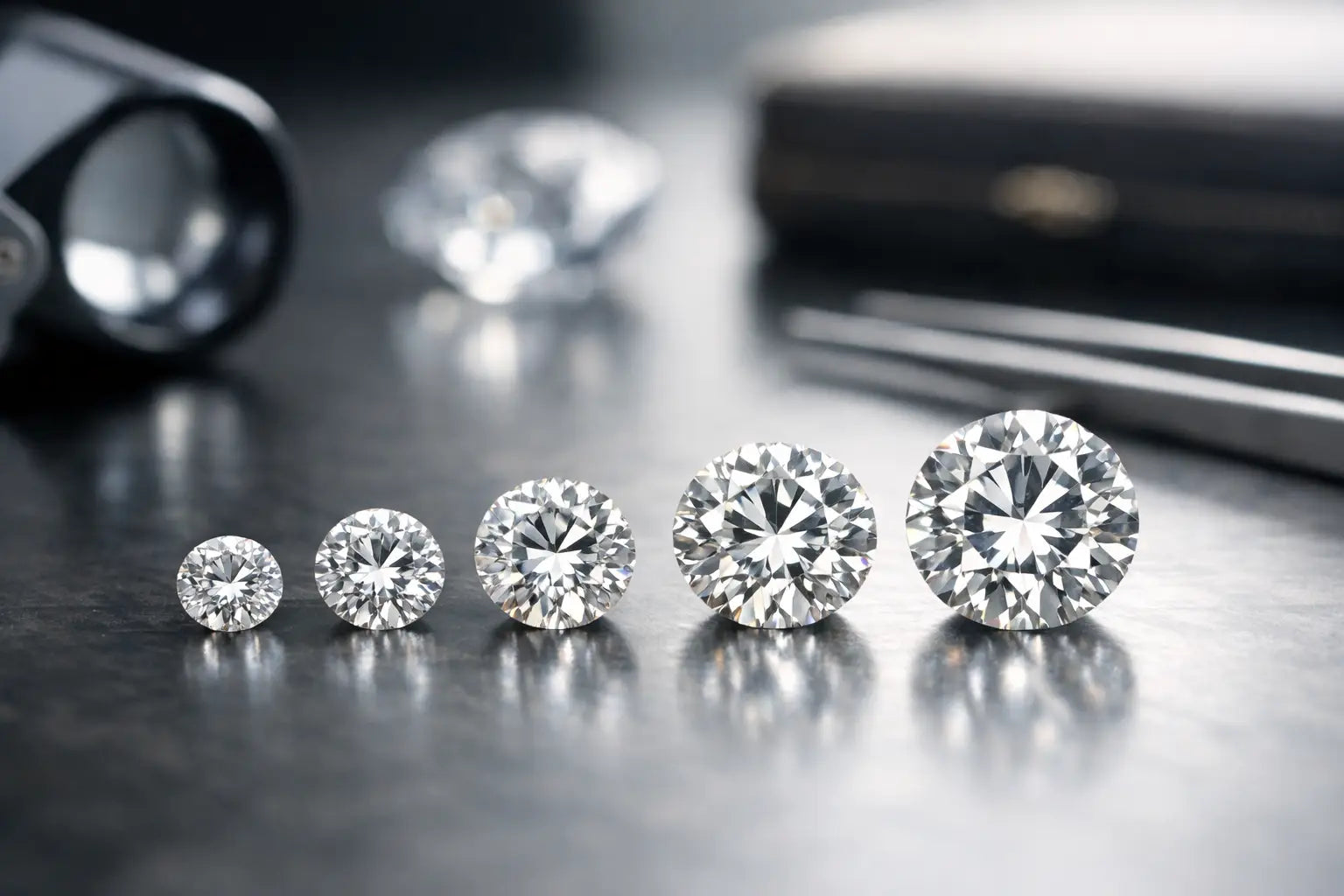
This does not make a lab diamond less real or less beautiful. A lab-grown diamond has the same crystal structure, hardness, fire, and brilliance as a mined diamond. It is a diamond, not an imitation. The difference is its origin and the market dynamics around supply, pricing, and resale demand.
The same broad rule applies to much of fine jewelry. A ring purchased from a retailer includes the diamond, precious metal, craftsmanship, design work, certification, business costs, and service. When resold, buyers tend to focus on what they can sell again, often at wholesale-oriented pricing. Even jewelry with a mined diamond may sell for substantially less than its original retail price.
For that reason, it is wise to separate two ideas: retail value is what it costs to buy a newly made piece, while resale value is what another buyer may be willing to pay later. They are rarely the same.
Why Lower Resale Does Not Mean Lower Worth
A diamond’s worth is not limited to what it could bring at resale. For many couples, choosing a lab-grown diamond means having room in the budget for a larger center stone, higher color and clarity, a more intricate setting, or a custom design that feels distinctly theirs.
That can be a particularly compelling trade-off for an engagement ring. If the goal is a bright, well-cut diamond in a setting you will wear every day, purchasing a lab diamond can direct more of your budget toward the details you see and enjoy. A 1.5- or 2-carat stone with excellent proportions may offer a more satisfying daily experience than a smaller stone chosen mainly for perceived future market performance.
There is also the value of choice. Lab-grown diamonds give buyers access to a broad range of shapes, carat weights, and quality combinations at more accessible prices. That flexibility can make a custom ring, anniversary upgrade, diamond tennis bracelet, or pair of classic studs feel attainable without compromising on style.
Ethical considerations matter as well. Many shoppers appreciate knowing their diamond was grown in a controlled laboratory environment rather than extracted through mining. Personal values do not appear on an appraisal, but they can be central to whether a purchase feels right.
What Affects a Lab Diamond’s Value?
Not every lab-grown diamond is valued the same way. If resale, trade-in, or future redesign is important to you, prioritize quality and documentation from the beginning.
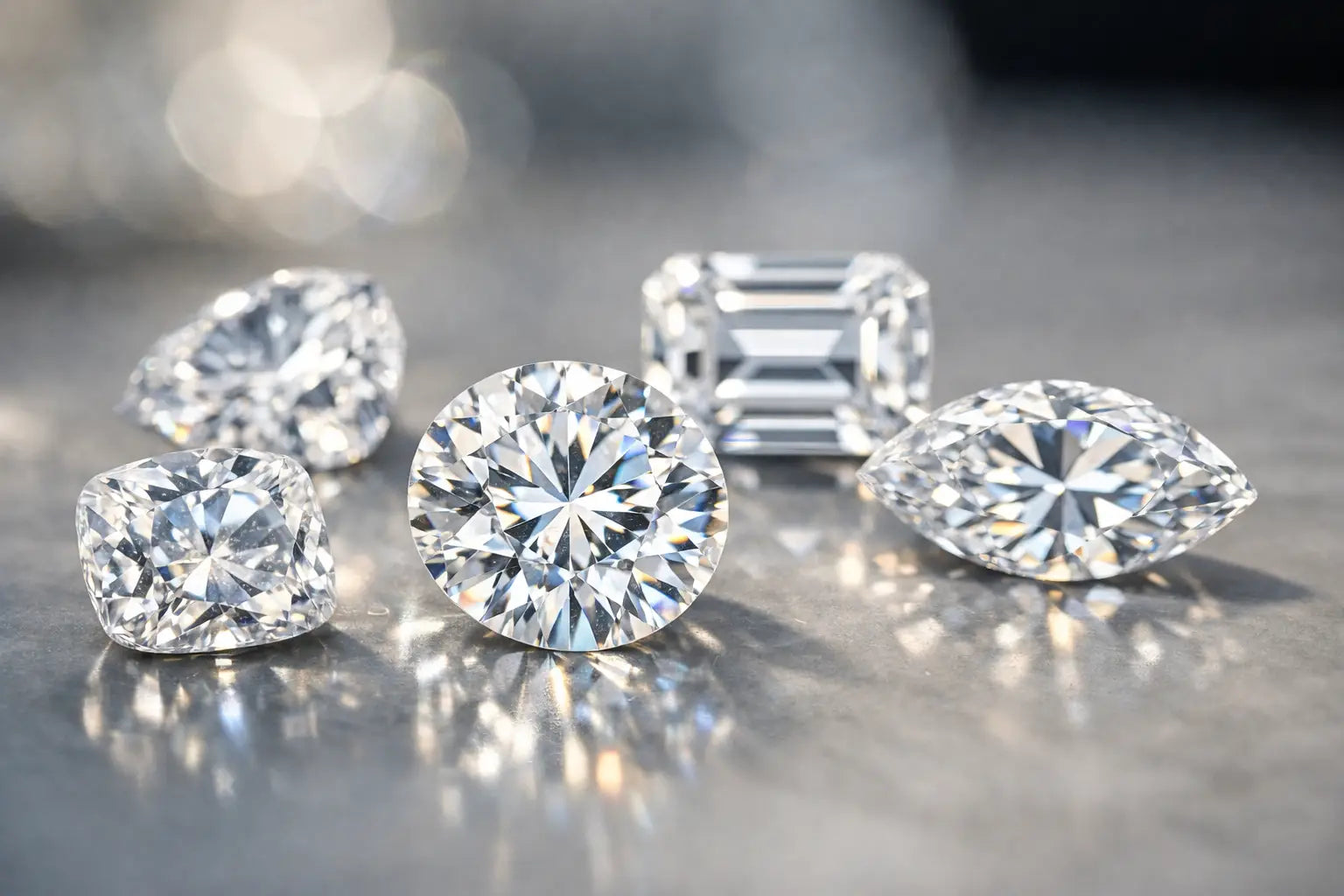
A diamond’s cut is often the most visible factor. A well-cut stone can look brighter, larger, and more lively than a poorly cut diamond with higher color or clarity grades. Round brilliant diamonds tend to have broad, enduring demand, while elongated fancy shapes such as oval, pear, radiant, and emerald cuts can be highly desirable when their proportions are attractive and their workmanship is strong.
Carat weight, color, clarity, and fluorescence can affect market appeal too. Larger stones may command more attention, but size alone does not guarantee better resale. A diamond with a pleasing cut, transparent grading report, and desirable visual appearance is generally easier to understand and compare.
Certification is another practical consideration. A respected independent laboratory report documents the diamond’s identifying characteristics and helps future buyers evaluate it with more confidence. Keep the digital and physical documentation, along with your purchase receipt, any appraisal, and photos of the finished jewelry.
The setting has its own value equation. Platinum and gold have intrinsic metal value, but the resale price of a finished setting often depends on its condition, craftsmanship, and whether its style appeals to the next buyer. A timeless solitaire or well-made three-stone ring may have broader appeal than a highly personalized setting, though a custom piece can be far more valuable to its original owner.
Buy for Wear, Not for a Price Chart
The least satisfying way to buy an engagement ring is to treat it like a stock ticker. Diamond markets can change, tastes evolve, and no one can promise what a particular stone will sell for years from now. This is true whether a diamond is lab-grown or mined.
A better approach is to set a comfortable budget and decide what matters most to you. Some shoppers want maximum carat weight. Others care about an icy-white appearance, a very clean look, an antique-inspired setting, or a custom detail that honors a relationship or family story. There is no universal best choice.
If you expect to upgrade in the future, ask about upgrade and buyback options before purchasing. Read the policy carefully and confirm which items qualify, whether the original diamond report is required, how condition is assessed, and whether the credit is toward a new purchase or a cash offer. These programs can be useful ownership benefits, but they are not the same as guaranteed market appreciation.
At Eternity LGD, buyers can also work through a personalized design process, which is especially helpful when you want your budget to serve your priorities rather than a preset ring formula. A thoughtful consultation can help balance diamond quality, setting style, finger coverage, and long-term wearability.
How to Protect the Value You Can Control
You cannot control future diamond pricing, but you can protect the jewelry’s condition, documentation, and usefulness. Choose a design you genuinely want to wear often, not simply a trend you feel pressured to follow. A piece that stays in your jewelry box has less practical value than one that becomes part of your life.
Have prongs, clasps, and stone settings checked periodically, particularly for rings worn every day. Clean the piece appropriately, store it separately to prevent scratches, and keep all paperwork in a secure place. If you insure the jewelry, update the appraisal when needed and understand whether your policy provides replacement coverage or a cash-value settlement.
For a sentimental piece that no longer fits your style, redesign can sometimes be more rewarding than resale. A center stone may become a pendant, an anniversary ring, or part of a new setting that better reflects your current taste. The most lasting value often comes from giving beautiful materials a new chapter.
A lab-grown diamond is best chosen for what it brings to the moment: exceptional beauty, meaningful design, and the freedom to create jewelry that feels like yours. When you buy with clear expectations and wear it with joy, that value does not depend on a future price tag.