Lab Grown Diamond Tennis Bracelet Buying Guide
A lab grown diamond tennis bracelet can look like a classic heirloom, feel personal enough for daily wear, and still leave room in the budget for the diamond size or quality you truly want. That combination is why this jewelry staple has become a favorite for anniversary gifts, wedding-day styling, milestone purchases, and a well-earned addition to your own collection.
The best choice is not simply the bracelet with the biggest total carat weight. It is the one that fits comfortably, catches light beautifully, and suits how you plan to wear it. Here is how to choose with confidence.
Why a Lab Grown Diamond Tennis Bracelet Makes Sense
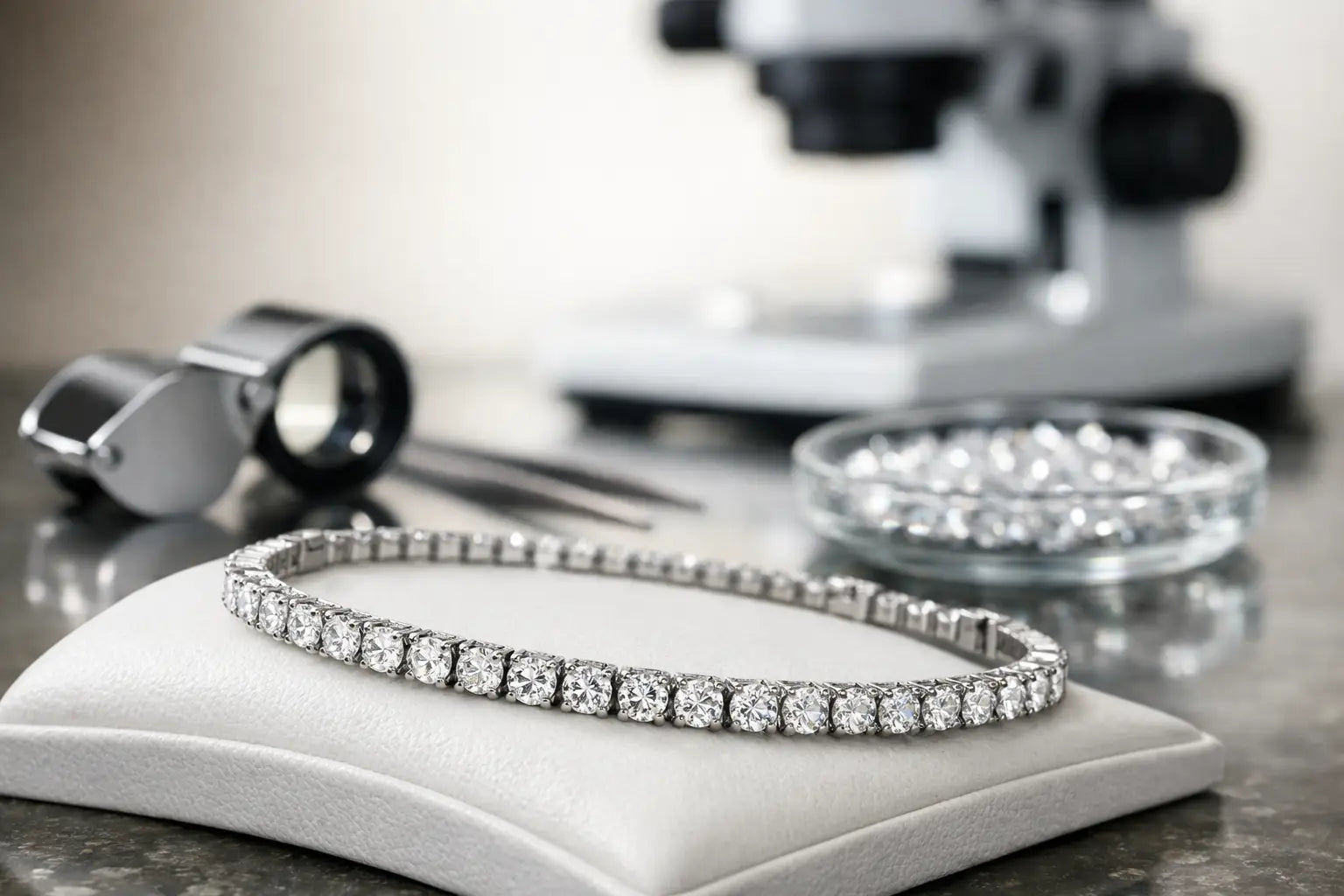
A tennis bracelet is a flexible line of matched diamonds connected in a continuous row. Its appeal is remarkably straightforward: it has enough sparkle to feel special, but its clean silhouette works with jeans, tailoring, eveningwear, and other fine jewelry.
Lab-grown diamonds have the same carbon crystal structure, hardness, and optical properties as mined diamonds. They are real diamonds, created in a controlled laboratory setting rather than recovered from the earth. For shoppers who want ethical brilliance and transparent specifications, that origin can make a meaningful difference. It also often allows a larger look, higher color grade, or stronger clarity within a given budget.
That does not mean every lab-grown diamond bracelet is identical. Diamond quality, matching, setting craftsmanship, metal weight, clasp security, and wrist fit all shape how the piece looks and wears over time. A thoughtful comparison goes beyond the total carat weight printed on a product page.
Start With the Look You Want on the Wrist
Total carat weight is the combined weight of every diamond in the bracelet, not the size of a single stone. A 3-carat total weight bracelet may create a delicate, light-catching line, while a 10-carat total weight bracelet makes a more immediate statement. Neither is automatically better. The right scale depends on your style, wrist size, and whether the bracelet will be worn alone or stacked.
For an understated everyday piece, many buyers prefer a refined row that reads as sparkle from a conversational distance. For an anniversary or major celebration, a wider diamond line can feel more substantial and luxurious. If you regularly layer a watch, bangles, or other bracelets, consider a lower-profile design that will not compete or rub against them.
Diamond shape affects the visual result, too. Round brilliant diamonds offer maximum classic sparkle and a smooth, uniform rhythm around the wrist. Oval, emerald, pear, and other fancy shapes create a more distinctive personality, but they require especially careful matching in length-to-width ratio, color, and setting alignment. Fancy-shape tennis bracelets can look exceptional when they are designed with consistency in mind.
Diamond matching matters more than one impressive grade
A bracelet contains many diamonds, so visual consistency is essential. Look for stones that appear well matched in color, clarity, size, and cut. A single diamond with impressive paperwork does not guarantee a cohesive bracelet. What matters is whether the full row reflects light evenly and maintains a balanced appearance from clasp to clasp.
For most tennis bracelets, near-colorless diamonds and eye-clean clarity offer a beautiful balance of appearance and value. Cut quality deserves particular attention because it drives brightness, fire, and scintillation. In a bracelet, lively stones that match one another usually create more impact than chasing specifications that are difficult to see once the piece is on the wrist.
Choose a Setting Built for Real Life
The setting determines both the bracelet’s style and the way it protects each diamond. Prong settings are popular because they expose more of the diamond to light, creating an open, brilliant look. They can also be more delicate than bezel styles, so routine inspections are wise if you wear your bracelet frequently.
Bezel settings surround each diamond with a rim of metal. They offer a sleek, modern profile and added protection around the stone edges, making them an appealing option for an active lifestyle. The trade-off is that more metal is visible, which slightly changes the airy, traditional tennis-bracelet look.
Four-prong and three-prong styles each have their own character. Four prongs create a familiar, classic frame around round diamonds. Three-prong settings often show more diamond and can make the row look slightly more fluid. The best option comes down to the profile you love and the level of protection you prefer.
Metal choice is equally personal. White gold gives a bright, streamlined backdrop that lets colorless diamonds take center stage. Yellow gold adds warmth and contrast, while rose gold offers a softer, romantic tone. Platinum is naturally white and highly durable, though it is typically heavier and may change the price. Consider the metal you wear most often, but do not feel obligated to match every piece. A mixed-metal stack can look intentional and current.
Get the Fit Right Before You Buy
A tennis bracelet should move comfortably across your wrist without spinning so freely that the diamond row constantly turns inward. A practical starting point is to measure your wrist and add roughly one-half to one inch, depending on whether you prefer a close or relaxed fit. The bracelet should not pinch, catch, or feel tight when you bend your wrist.
Because sizing can vary by design and diamond setting, confirm the finished length rather than assuming a standard bracelet will fit perfectly. If you are buying a gift, a sizing tool or a quiet measurement of a bracelet they already wear can help. For a custom piece, share the desired fit from the beginning so the design can be planned around it.
Do not overlook the clasp. A secure box clasp with a safety latch is a trusted choice for a valuable bracelet. Open and close it several times before wearing the piece out, and make sure you understand how the safety feature works. A well-made clasp should feel secure without being frustrating to use.
Certifications, Pricing, and Long-Term Value
Many buyers appreciate that lab-grown diamonds can be certified by respected independent grading laboratories. Certification documents the diamond’s characteristics, such as carat weight, color, clarity, cut information where applicable, and growth origin. On a multi-stone bracelet, individual reports for every small diamond may not be practical, but a retailer should clearly explain the diamond quality range, total carat weight, metal, setting, and any certification information available.
Price should reflect more than the diamonds alone. A bracelet with carefully matched stones, solid precious metal, secure construction, and experienced finishing may cost more than a superficially similar option, and for good reason. Compare the full specification rather than relying on photos or a single headline number.
It is also wise to think about ownership before the purchase, especially for a piece you expect to wear for years. Ask about warranty coverage, inspections, repairs, resizing options where appropriate, and upgrade or buyback policies. Fine jewelry is made to be enjoyed, but prongs, clasps, and links benefit from professional attention over time.
A lab-grown diamond should be chosen primarily for its beauty, meaning, and value at purchase rather than as a financial investment. Like many luxury goods, resale values can vary. The lasting value is often in the quality of the piece, the memories attached to it, and how often it becomes part of your life.
Make It Personal, Not Just Expensive
The most memorable tennis bracelets reflect the person wearing them. A classic round diamond line may mark a tenth anniversary. An emerald-cut design can echo an engagement ring. A yellow-gold setting may honor a family style, while a custom length can make an everyday piece feel made just for you.
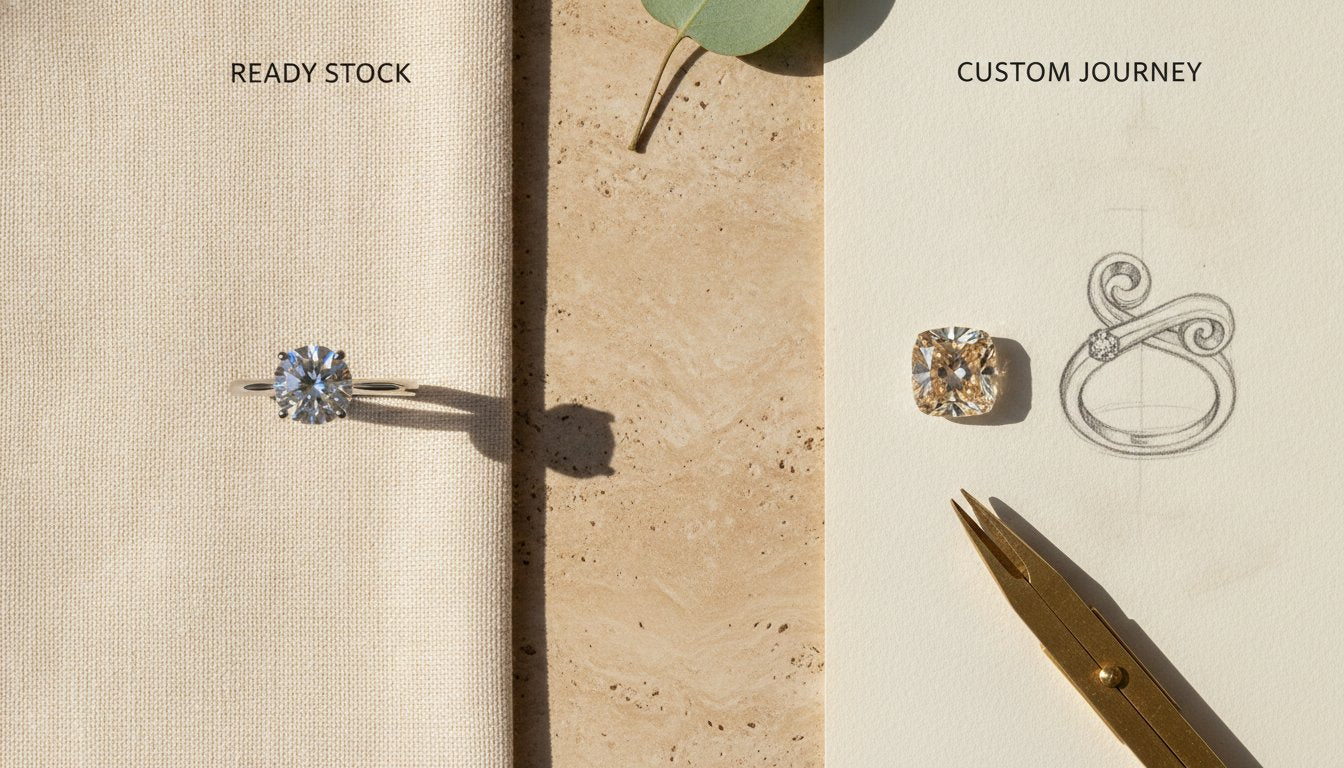
At Eternity LGD, a custom design conversation can help turn those preferences into a clear plan, from diamond consultation and concept refinement through production approval and final inspection. That extra guidance is especially valuable when you want a nontraditional diamond shape, a precise fit, or a bracelet designed to complement jewelry you already love.
Wear your bracelet often, but care for it intentionally. Take it off for strenuous activities, store it separately to prevent scratches, and have its settings and clasp checked periodically. The right lab-grown diamond tennis bracelet should not wait in a box for a special occasion. It should make ordinary moments feel a little more like yours.