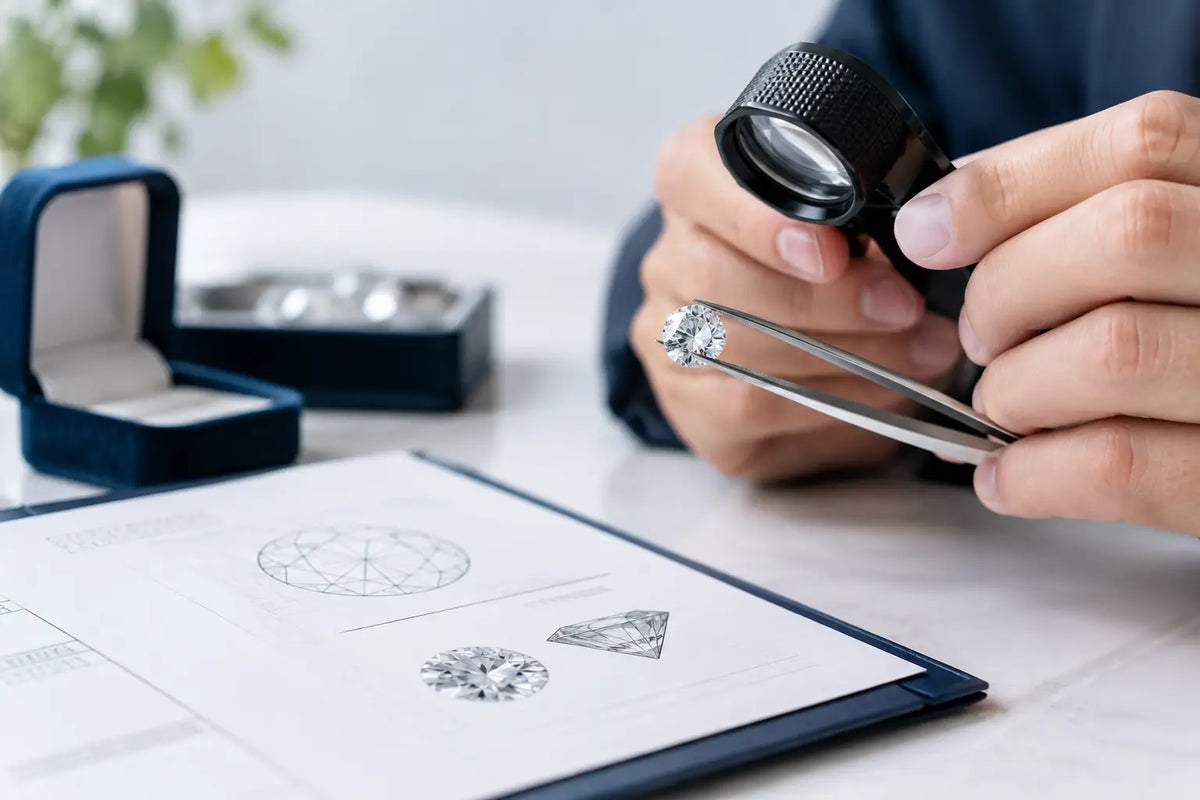
Article: Do Lab Diamonds Fade? The Truth About Lasting Sparkle
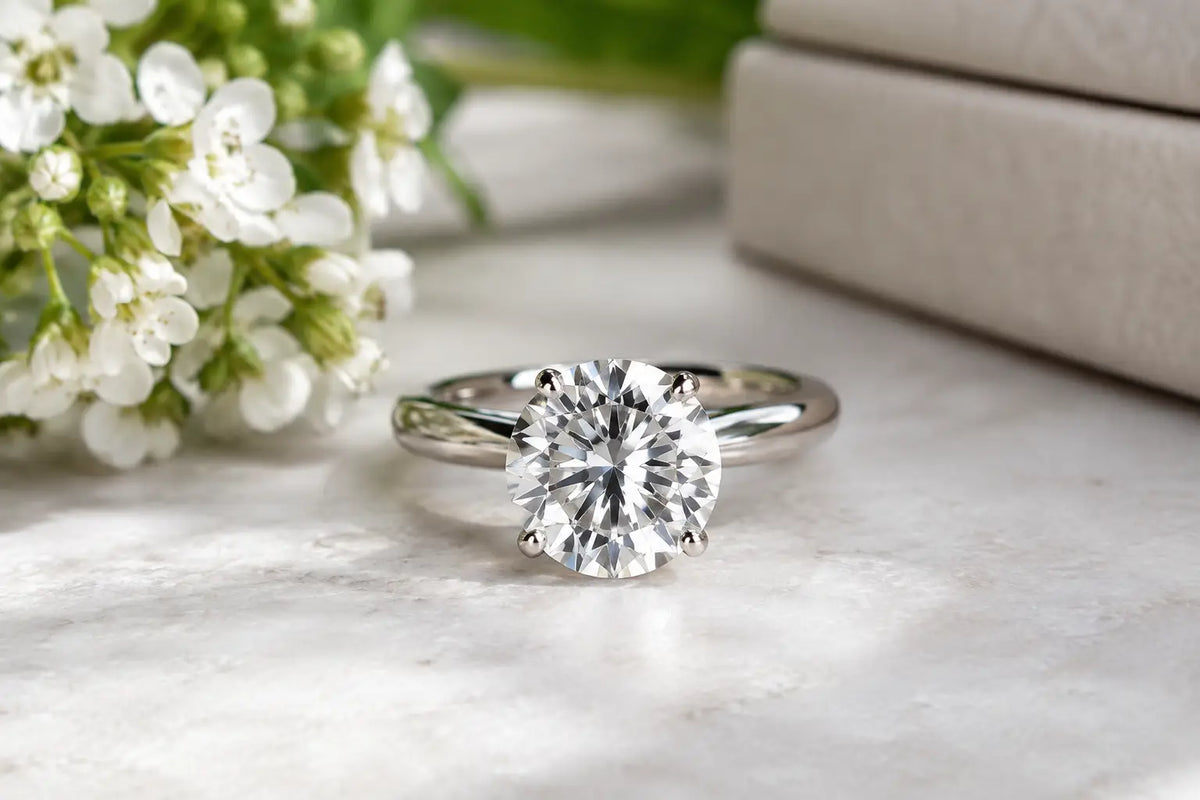
Do Lab Diamonds Fade? The Truth About Lasting Sparkle
A diamond engagement ring should look as meaningful on an ordinary Tuesday years from now as it did the day you said yes. So, do lab diamonds fade? No. A lab-grown diamond does not fade, lose its color, or become permanently cloudy with normal wear. It has the same crystal structure and core physical properties as a mined diamond, which means its beauty is built to last.
What can change over time is the jewelry around the diamond - and the buildup on its surface. Everyday hand lotion, soap, cooking oils, makeup, and dust can soften sparkle temporarily. That is a care issue, not a sign that the diamond itself is aging.
Do Lab Diamonds Fade Over Time?
Lab-grown diamonds are real diamonds made of crystallized carbon. Their origin is different from a mined diamond's, but their hardness, brilliance, and durability are not. Both rank 10 on the Mohs scale of hardness, the highest rating for a natural material. That makes a lab diamond exceptionally resistant to scratching and well suited to jewelry worn every day.
A diamond's color also does not fade because it is not a surface coating. The color grade reflects how the diamond's crystal structure interacts with light. Whether you choose a colorless lab diamond or an intentionally colored stone, normal exposure to daylight, indoor lighting, or water will not wash its color away.
This distinction matters when comparing fine jewelry with fashion jewelry. Some materials can discolor, scratch easily, or lose a plated finish. A lab-grown diamond is not in that category. With thoughtful care, it can remain a lifelong part of an engagement ring, wedding band, necklace, bracelet, or custom piece.
Why a Lab Diamond May Look Less Sparkly
When someone says their diamond looks dull, the cause is usually a film on the stone rather than a change within it. Diamonds attract oil and grease, which can cover the facets that create those crisp flashes of white and colored light. Even a high-quality diamond can look quieter when it is coated with residue from daily life.
The setting can affect appearance, too. A loose prong, a bent basket, or accumulated debris beneath the diamond can change how the piece looks and feels. In white gold jewelry, rhodium plating may gradually wear from high-contact areas, revealing a slightly warmer metal tone underneath. That is normal maintenance for white gold, not fading in the lab diamond.
Scratches on the metal can also make a ring appear less polished overall. Platinum develops a soft patina, while gold may show fine marks over time. Many people appreciate this lived-in character, while others prefer an occasional professional polish. Either way, the diamond itself remains unchanged.
Can sunlight, heat, or water damage it?
Normal sunlight, showering, rain, and everyday temperatures will not fade a lab-grown diamond. A diamond is remarkably stable. However, jewelry is more than its center stone. Repeated exposure to chlorine, harsh household cleaners, and beauty products can affect metal alloys, plating, and delicate setting components.
Extreme heat or a hard impact can also put any diamond jewelry at risk. While diamonds resist scratching, they can chip if struck at a vulnerable edge or point. Shapes with sharp corners, such as princess cuts, deserve particular care, especially when set in a design with exposed corners. This is true of mined and lab-grown diamonds alike.
What about treated lab-grown diamonds?
Some lab-grown diamonds undergo post-growth treatment to improve or modify their color. Reputable sellers disclose this information, and any grading documentation should clearly describe relevant treatments. Properly disclosed treatments are not automatically a concern, but they are worth understanding before you buy, especially if you are choosing a fancy-color diamond.
For most shoppers considering a classic white lab-grown diamond, the practical takeaway is simple: choose a diamond with transparent specifications and independent certification when available. You should know what you are buying, how it was graded, and how it will fit into the jewelry you plan to wear for years.
How to Keep Lab-Grown Diamond Jewelry Bright
A simple at-home cleaning routine will do more for a diamond's sparkle than almost anything else. Soak the piece briefly in warm water with a few drops of mild dish soap, then gently brush around the setting with a very soft toothbrush. Rinse thoroughly and dry it with a lint-free cloth. Pay close attention to the underside of the stone, where residue often collects unnoticed.
It is best to remove diamond jewelry before applying lotion, hairspray, perfume, or sunscreen, and before activities that involve impact or strong chemicals. Gardening, weightlifting, swimming in chlorinated water, and cleaning with bleach-based products are all moments when a ring is safer off your hand.
Ultrasonic cleaners can be useful for certain diamond jewelry, but they are not right for every piece. If a stone is loose, the setting is delicate, or the jewelry includes additional gemstones, ultrasonic vibration may create unnecessary risk. When in doubt, use the gentle soap-and-water method or ask a jewelry professional to inspect and clean the piece.
For rings worn daily, consider a professional check once or twice a year. A jeweler can examine prongs, tighten settings if needed, clean hard-to-reach areas, and assess whether the metal needs refinishing or replating. This type of maintenance protects the craftsmanship around your diamond and helps prevent a small issue from becoming a lost stone.
Lasting Beauty Starts With the Right Setting
The right setting supports both your style and your lifestyle. A sleek solitaire may make a lab diamond the focal point, while a bezel setting offers added protection around the edge of the stone. Pavé details, hidden halos, and intricate custom designs can create extraordinary dimension, but they may require more attentive cleaning than a simpler setting.
There is no single best choice. Someone with an active hands-on routine may value the security of a lower-profile design, while someone drawn to maximum light performance may prefer an elevated setting with an open gallery. The most satisfying jewelry balances visual impact with how you actually live.
At Eternity LGD, that conversation can be part of the design process, from selecting the diamond's shape and specifications to refining a setting that feels personal and practical. A well-made piece is designed not only for the first reveal, but also for anniversaries, everyday milestones, and every photograph still to come.
A lab-grown diamond will not fade with time. Keep the setting clean, protect it from unnecessary impact and chemicals, and have it checked periodically. Its brilliance is meant to stay with you - not just for the moment you receive it, but for the life you build while wearing it.