Article: How to Budget Engagement Rings Without Compromise
How to Budget Engagement Rings Without Compromise
A proposal can feel priceless. The engagement ring should not leave you anxious about rent, credit card balances, or the life you are building together. Learning how to budget engagement rings starts with a simple shift: set a number that supports your shared financial goals, then design a ring that makes the most of it.
The right budget is not dictated by an old salary rule or someone else’s social media highlight reel. It is shaped by your income, savings, existing commitments, preferred timeline, and the details that matter most to the person wearing the ring. With thoughtful choices, a meaningful, beautifully made ring can be both emotionally exciting and financially sound.
Start With a Number That Protects Your Plans
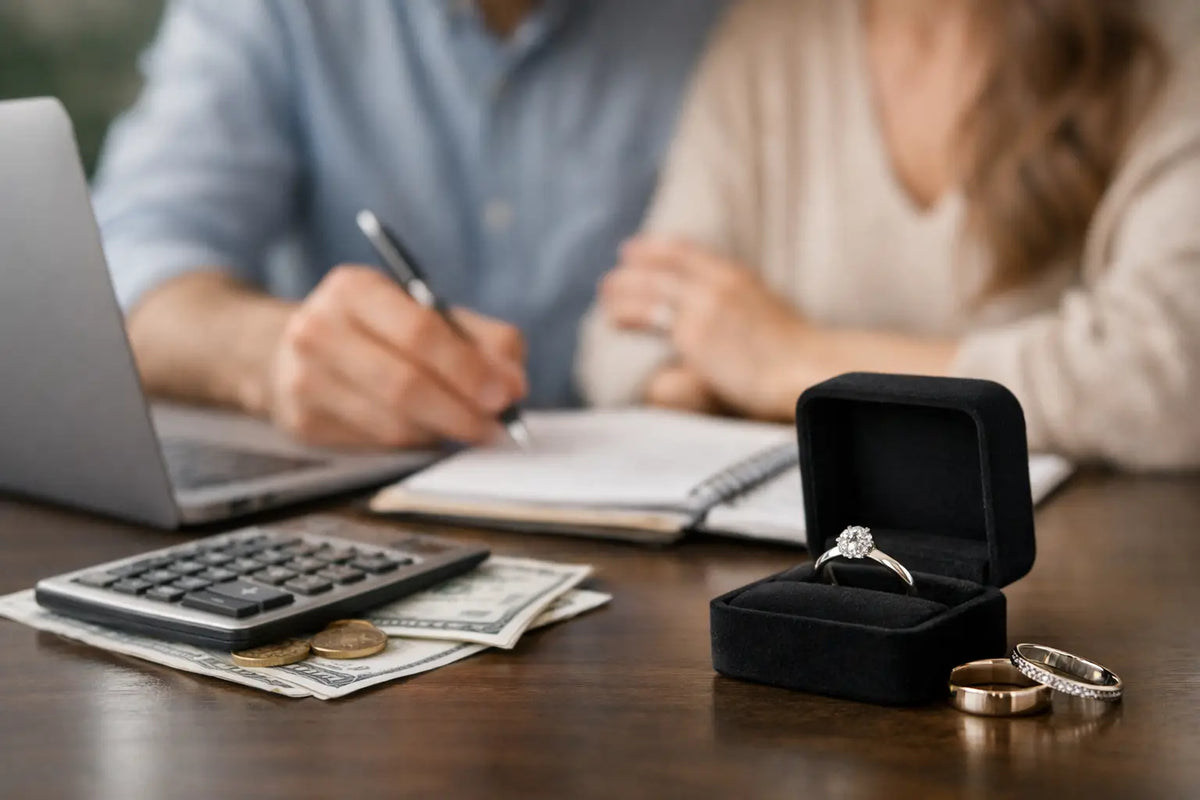
Begin with your real financial picture, not a perceived expectation. Review your monthly income, essential expenses, emergency savings, wedding plans, debt, and any near-term goals such as moving, travel, or starting a family. Your ring budget should be an amount you can pay comfortably without draining the cash cushion that protects your everyday life.
The familiar “two or three months’ salary” guideline is marketing, not a financial requirement. Some couples may be comfortable spending more because they have substantial savings and few competing priorities. Others may choose a lower amount because they are paying for a wedding, buying a home, or prefer to invest together. Neither choice says anything about the depth of the commitment.
If you are buying together, talk openly about the range before shopping. You do not have to spoil the proposal to learn whether your partner prefers a larger center stone, a certain setting style, an heirloom-inspired design, or a more modest ring with exceptional craftsmanship. A clear range makes the process more enjoyable and prevents a stunning option from becoming a stressful one.
How to Budget Engagement Rings by Priority
Every engagement ring has trade-offs, but they do not have to feel like sacrifices. The most effective way to allocate your budget is to decide which one or two elements matter most. For some people, that is a larger center diamond. For others, it is a distinctive setting, an elongated shape, a particular metal, or an exceptional cut.
Start with the center stone because it usually accounts for the largest share of the cost. Then reserve room for the setting, applicable taxes, insurance, resizing, and any custom details. If you are planning a custom ring, leave some flexibility in the budget for design decisions that arise during refinement, such as adding a hidden halo, adjusting the band width, or selecting accent diamonds.
A useful way to think about the budget is in three parts: the center diamond, the setting, and the practical costs around the purchase. The exact split depends on the design. A simple solitaire puts more of the budget into the center stone, while a detailed pavé, three-stone, or vintage-inspired setting requires more investment in the mounting.
Choose What Will Be Seen Every Day
A diamond’s cut has the greatest influence on its brightness and visual life. A well-cut diamond can look lively and luminous even when you make practical adjustments to carat weight, color, or clarity. This is why a slightly smaller, beautifully cut stone often feels more impressive than a larger stone with less sparkle.
Color and clarity preferences depend on shape and setting. Round diamonds tend to conceal warmth well, while emerald and asscher cuts have broad, open facets that may make inclusions more noticeable. Yellow gold can complement diamonds with a little warmth, while platinum or white gold may make a higher color grade more desirable for some buyers. There is no universal best grade. The best choice is the one that looks beautiful to you within your price range.
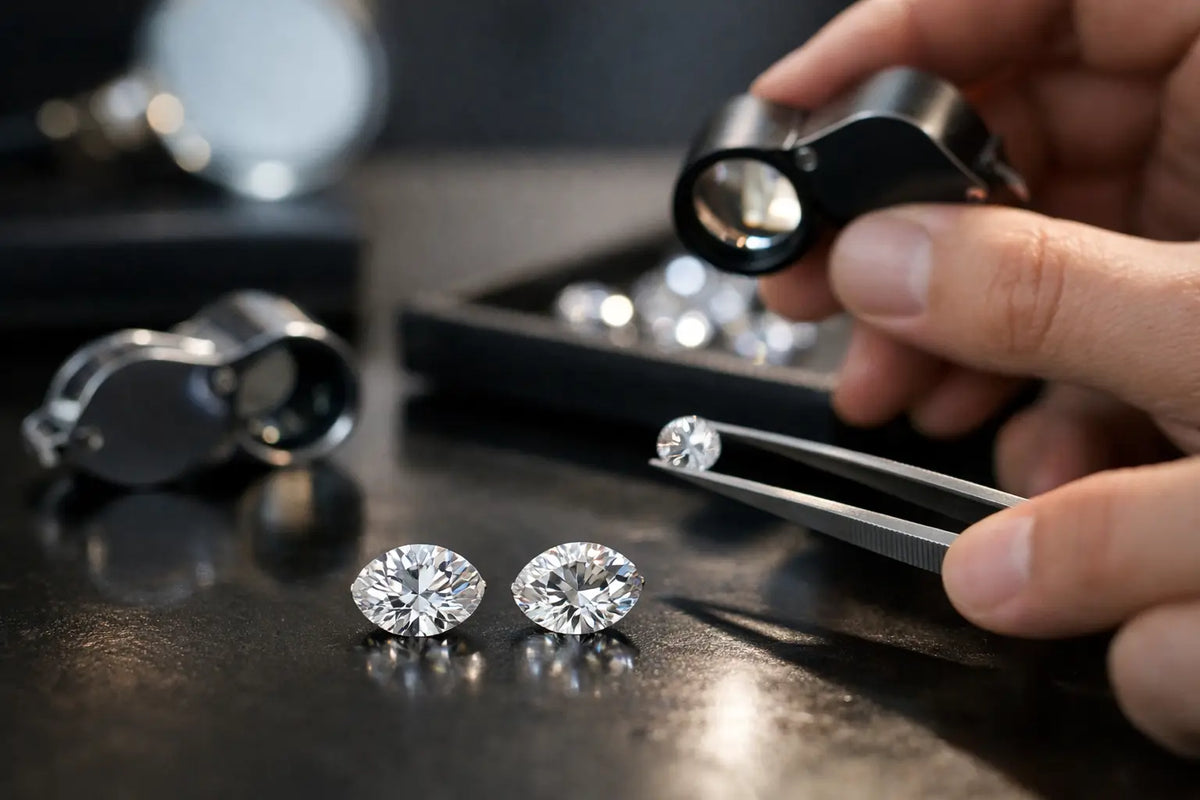
Consider measurements, not carat weight alone. Two diamonds with the same carat weight can face up differently depending on their proportions and shape. Oval, pear, marquise, and emerald cuts often appear larger than a round diamond of the same weight, which can help you create a more substantial look without automatically increasing the budget.
Let Lab-Grown Diamonds Expand Your Options
For couples who want more size, quality, or design flexibility at a defined price, lab-grown diamonds can be an especially practical choice. They are real diamonds with the same essential chemical, physical, and optical characteristics as mined diamonds. The difference is origin: they are grown in controlled laboratory conditions rather than extracted from the earth.
Because lab-grown diamonds are generally more accessible in price, you may be able to prioritize a larger carat weight, a higher color or clarity grade, or a more elaborate setting while staying within the budget you set. That does not mean every shopper needs the largest possible diamond. It means your money can be directed toward the qualities you genuinely value rather than toward an outdated idea of what an engagement ring must cost.
Certification still matters. Review the diamond’s grading report alongside its specifications, including shape, carat weight, cut, color, clarity, and measurements. Transparent details give you a meaningful basis for comparison and help ensure you understand exactly what you are purchasing.
Make Smart Design Choices Before You Compromise
The setting can create a dramatic visual effect without requiring a dramatic increase in the center-stone budget. A slim band can make a diamond appear larger, while a halo adds surface sparkle around the center. A three-stone design creates presence and symbolism, and a bezel setting offers a sleek, modern look with added protection around the diamond.
Metal choice affects both appearance and cost. Yellow gold offers warmth and a classic contrast with white diamonds. White gold has a bright, polished look but may require periodic replating over time. Platinum is naturally white and durable, though it often costs more. Consider lifestyle as well as aesthetics. Someone who works with their hands, exercises frequently, or prefers low-maintenance jewelry may have different needs than someone seeking a delicate, intricate design.
Custom design is worth considering when a ready-to-wear ring is close but not quite right. You might combine a favorite diamond shape with a band profile that feels more personal, incorporate a meaningful hidden detail, or create a setting that sits flush with a future wedding band. The key is to share your budget from the first conversation. A knowledgeable jewelry team can guide the concept toward choices that deliver visual impact without pushing past your comfort zone.
Avoid the Budget Traps That Add Regret
The biggest budget mistakes usually happen before the ring is purchased. Do not focus only on a headline price while overlooking the details that affect long-term value and wearability. Confirm the diamond specifications, certification, setting materials, ring size, production timeline, and policies for warranty service, repairs, upgrades, and buyback options.
Be cautious with financing that turns a meaningful purchase into prolonged high-interest debt. Financing may fit some buyers’ plans when the terms are clear and payments are manageable, but it should not be used to stretch into a ring price that creates pressure for months or years. If a desired design is outside the current range, consider adjusting the diamond size, choosing a simpler setting, or planning an upgrade later.
Avoid buying based solely on a carat number. A thoughtful balance of cut, proportions, setting style, and diamond shape usually creates a better-looking ring than chasing the biggest figure on paper. Likewise, do not assume a more expensive option is automatically more personal. The ring should reflect the wearer, not the expectations of strangers.
Build in Room for the Next Chapter
An engagement ring is worn through daily routines, celebrations, travel, and the many ordinary moments that become meaningful over time. Choose a ring that fits the life it will live. Accurate sizing matters, and it is wise to plan for future care, including inspections, cleaning, and occasional maintenance.
It can also help to view the purchase as part of an ownership journey rather than a single transaction. Warranty coverage, repairs, resizing support, and future upgrade or buyback possibilities can provide reassurance as your style or circumstances evolve. These services do not need to drive the purchase, but they are worth understanding before you commit.
A well-planned engagement ring budget leaves room for both the ring and the life it represents. Set your limit with confidence, choose the details that feel most personal, and let thoughtful design make every dollar feel intentional.