East West Ring Trends: A Modern Buyer's Guide
A diamond turned sideways can change the entire character of a ring. East west ring trends are resonating with couples and jewelry lovers who want something refined but less expected than a traditional north-south solitaire. The design is modern, low-profile, and expressive, yet it can feel timeless when the diamond shape and setting are chosen with care.
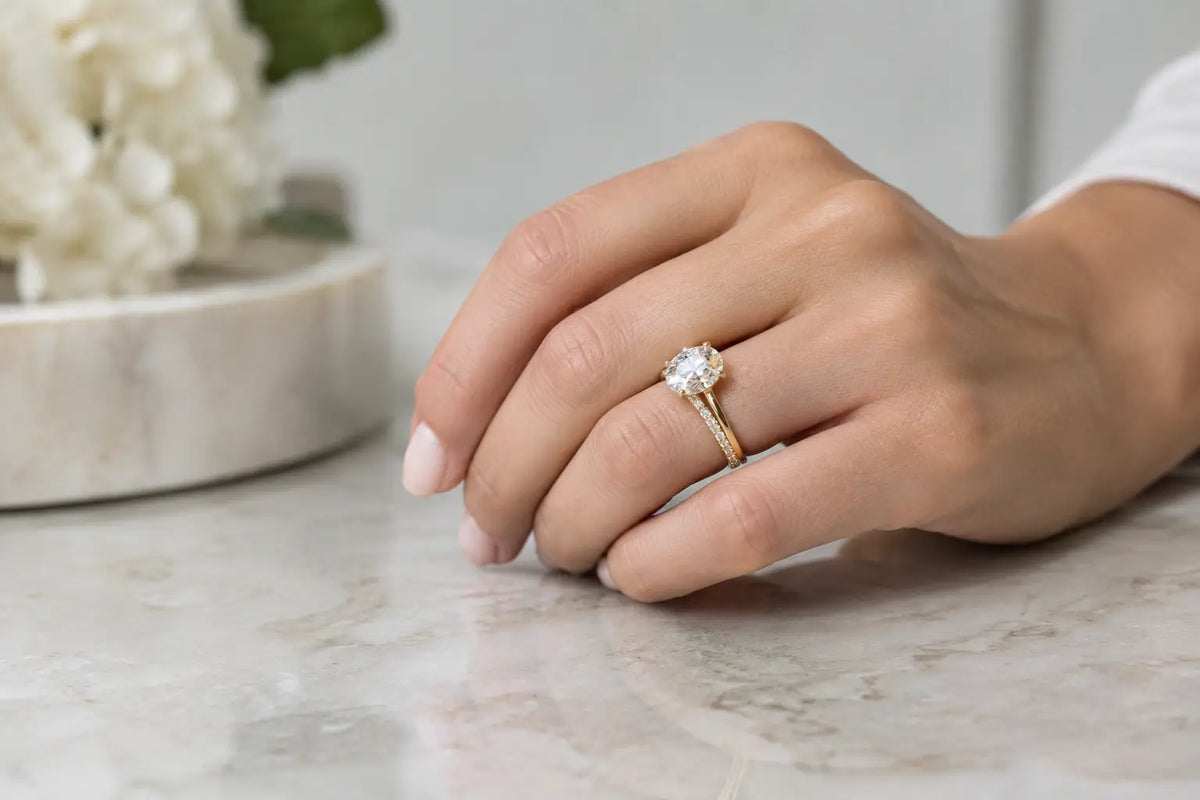
An east west ring places an elongated center stone horizontally across the finger rather than vertically. Oval, emerald, radiant, marquise, pear, and elongated cushion diamonds are especially well suited to this orientation. The result is a wider visual line that feels architectural, personal, and distinctly current without relying on a passing novelty.
Why East West Ring Trends Have Staying Power
The appeal begins with proportion. A horizontally set diamond draws the eye across the hand, creating a strong silhouette that is easy to recognize from a distance. For someone who has tried on classic solitaires and found them a little too familiar, an east west setting offers a meaningful design shift without moving away from the beauty of a single center diamond.
It also suits the way many people wear jewelry now. Engagement rings are often stacked with wedding bands, worn alongside fashion rings, and expected to work with both casual wardrobes and formal occasions. An east west diamond can look clean and intentional on its own, while its low, linear profile often pairs beautifully with a curved or contoured band.
Lab-grown diamonds make this look especially compelling. Because they offer the same optical, chemical, and physical properties as mined diamonds, buyers can often consider a larger center stone or a more distinctive shape within a thoughtful budget. That added flexibility matters in an east west design, where the stone's outline does much of the visual work.
The Diamond Shapes That Work Best Sideways
There is no single best diamond for an east west ring. The right choice depends on whether you prefer crisp geometry, soft curves, vintage character, or maximum finger coverage.
Emerald Cut: Clean and Architectural
An east west emerald cut is a natural choice for minimalists. Its long, stepped facets create a hall-of-mirrors effect rather than intense sparkle, so clarity and cut quality deserve close attention. Set horizontally, the shape feels sleek and tailored, particularly in a bezel setting or a simple four-prong design.
This style is ideal for buyers drawn to quiet luxury. It is less about flash and more about proportion, polish, and the confidence of a well-considered design.
Oval: Soft, Bright, and Versatile
Ovals remain a favorite because they combine brilliant sparkle with a flattering curved outline. Positioned east west, an oval feels fresh and a little more fashion-forward than its traditional vertical placement. It also offers substantial visual spread, which can make a diamond appear larger across the finger.
When comparing oval diamonds, look beyond carat weight. Review the length-to-width ratio, symmetry, and any visible bow-tie effect, the darker area that can appear across the center of some elongated stones. A well-selected oval can look luminous from every angle.
Marquise and Pear: Distinctive by Design
Marquise and pear diamonds bring drama to the east west orientation. A horizontal marquise can resemble a graceful eye shape, while a sideways pear has an artistic, directional look that feels especially personal. Both offer excellent face-up size for their carat weight.
The trade-off is protection. Their pointed ends are more vulnerable to chipping than rounded shapes, so prongs or a protective bezel around those points are wise choices for everyday wear. These styles reward careful craftsmanship.
Radiant and Elongated Cushion: Brilliance With Presence
For buyers who want more sparkle than an emerald cut but a less traditional outline than an oval, radiant and elongated cushion diamonds are strong options. Their faceting can disguise inclusions well and create a lively, bright appearance. Horizontally set, they bring a bold, balanced look that works in both delicate and substantial settings.
Setting Choices Matter as Much as the Diamond
East west ring trends are not just about rotating a stone. The setting determines whether the finished ring feels delicate, sculptural, vintage-inspired, or sleekly modern.
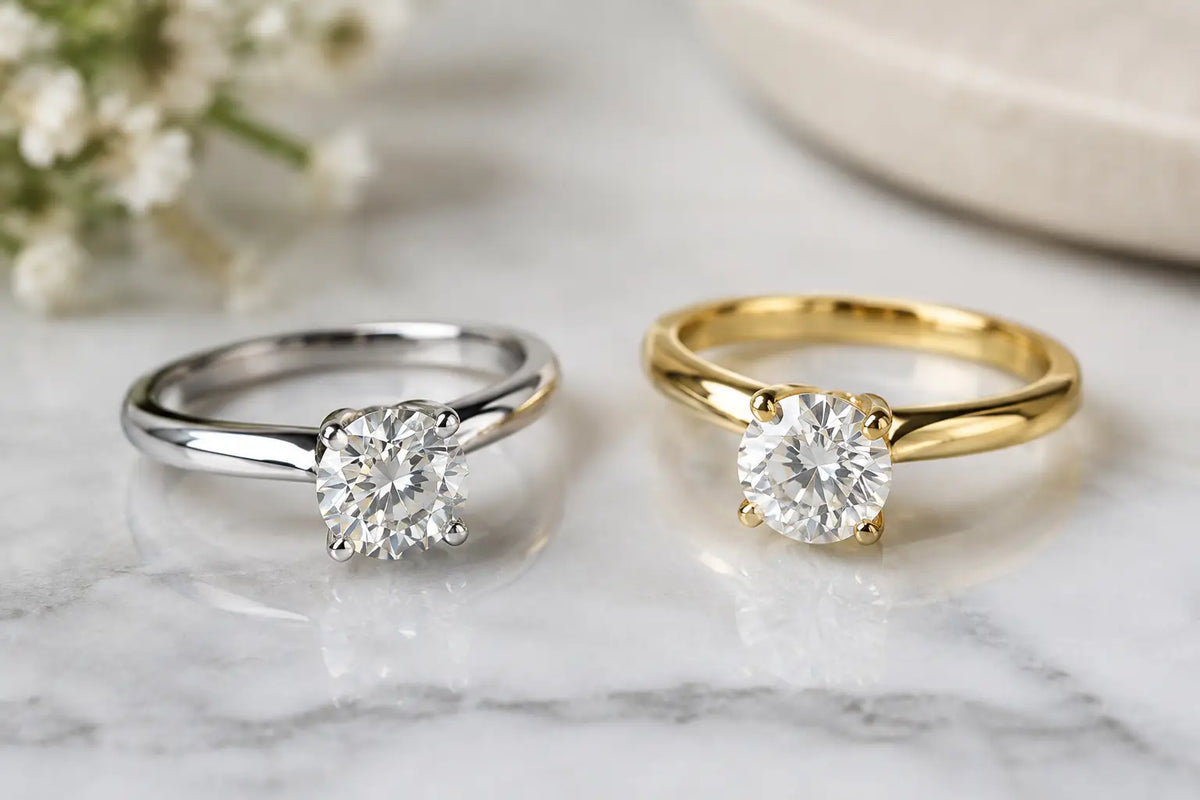
A prong setting lets more light reach the diamond and keeps the profile open. Four prongs can create a clean, classic frame, while six prongs offer added security for shapes with corners or points. A bezel setting surrounds all or part of the diamond with a rim of precious metal. It feels contemporary, protects the stone's edge, and is often a smart choice for an active lifestyle.
For extra detail, consider tapered side stones, petite round diamonds along the band, or a hidden halo beneath the center stone. These additions can elevate the ring without competing with the horizontal orientation. The key is restraint. An east west center stone already has a strong point of view, so a setting should support its shape rather than overwhelm it.
Metal color also changes the mood. Yellow gold brings warmth and contrast, especially with an emerald or oval cut. Platinum and white gold create a crisp, monochromatic appearance that highlights the diamond's brightness. Rose gold can soften a geometric shape and add a romantic touch. None is objectively better - it depends on your skin tone, existing jewelry, and the feeling you want the ring to carry years from now.
How East West Rings Fit and Feel on the Hand
One question buyers should ask is not just whether they love the ring in a photo, but whether they will love wearing it every day. A wider horizontal diamond may extend farther across the finger than a vertically set stone of the same carat weight. That can be elegant and comfortable, but it is worth trying on different proportions or reviewing a precise design rendering before production.
Band width matters here. A very thin band can make a sizable east west stone feel even more dramatic, while a slightly wider band creates visual balance and can offer a more substantial feel. If you have smaller fingers, a stone that is too wide may reach the edges of the finger and feel crowded. If you have longer or wider fingers, a broader diamond can look beautifully proportional.
Profile is equally important. A lower setting may be less likely to catch on clothing and can feel more practical for frequent wear. However, some wedding bands sit more easily beside a higher-set engagement ring. If you plan to stack rings, discuss the pairing early, particularly if you want a straight band to sit flush.
Choosing Quality Without Losing the Design Vision
A dramatic orientation should never distract from diamond quality. Certification, measurements, cut characteristics, color, and clarity still matter, though the priorities shift slightly by shape. With step-cut emerald diamonds, clarity is usually more visible. With brilliant shapes such as ovals and radiants, overall sparkle, symmetry, and proportion can have a greater visual impact than chasing the highest possible clarity grade.
For lab-grown diamonds, request clear specifications and review the diamond's certification so you understand exactly what you are purchasing. Consider the full design rather than the center stone in isolation. A beautifully proportioned 1.5-carat diamond in a thoughtful custom setting can be more compelling than a larger stone placed in a design that does not suit your lifestyle or hand.
This is where personalized guidance is valuable. At Eternity LGD, a custom process can help translate an inspiration image into practical decisions about stone orientation, metal, security, band shape, and future stackability. The goal is not to follow a trend exactly. It is to create a ring that still feels like yours after the trend cycle has moved on.
Are East West Rings Right for an Engagement Ring?
Absolutely, provided the design reflects the wearer. East west engagement rings are especially appealing to people who value individuality, modern design, and a less conventional take on a classic diamond ring. They can be understated in a slim solitaire setting or unmistakably bold with a wide bezel and substantial center stone.
They are also a meaningful option for anniversaries, right-hand rings, and milestone gifts. A sideways diamond can represent a fresh chapter without looking overly formal or predictable. For a person building a jewelry collection, it offers a silhouette that stands apart from a traditional solitaire while remaining easy to wear.
The most successful choice starts with how you want the ring to feel each time you look down at your hand: polished, romantic, graphic, delicate, or confidently unconventional. Let that answer guide the diamond and setting, and the east west orientation will feel less like a trend and more like a signature.