Lab Diamond Durability: What Daily Wear Really Takes
A diamond engagement ring sees more real life than most jewelry: handwashing, gym bags, steering wheels, kitchen counters, luggage, and the occasional knock against a doorframe. The reassuring news is that lab diamond durability is not a compromise. A laboratory-grown diamond has the same crystal structure and physical properties as a mined diamond, making it an excellent choice for jewelry meant to be loved and worn often.
Still, “durable” does not mean indestructible. The diamond itself is exceptionally resistant to scratching, while the metal setting and the way a stone is mounted deserve regular attention. Knowing the difference helps you choose a beautiful piece that suits your lifestyle and care for it with confidence.
What Lab Diamond Durability Actually Means
Lab-grown and mined diamonds are both crystalline carbon. They are grown in different environments, but their material makeup is the same. On the Mohs scale of hardness, which measures resistance to scratching, diamonds rank at 10 - the highest rating. Everyday materials such as dust, metal, glass, and household surfaces are unlikely to scratch a diamond.
That hardness is especially valuable in an engagement ring, wedding band, tennis bracelet, or pair of diamond studs. With normal wear, a lab diamond will retain its crisp facet edges and bright polish for generations. It will not become cloudy, fade in color, or wear down simply because it was grown in a laboratory.
Hardness, however, is only one part of durability. A diamond can resist surface scratches exceptionally well and still chip if it receives a sharp impact at a vulnerable angle. This is true of every diamond, regardless of origin.
Hardness Is Different From Toughness
Think of hardness as protection from scratches. Toughness describes how well a material withstands a forceful blow. Diamonds are remarkably durable gemstones, but their crystal structure includes directions called cleavage planes, where a severe impact can cause a chip or break.
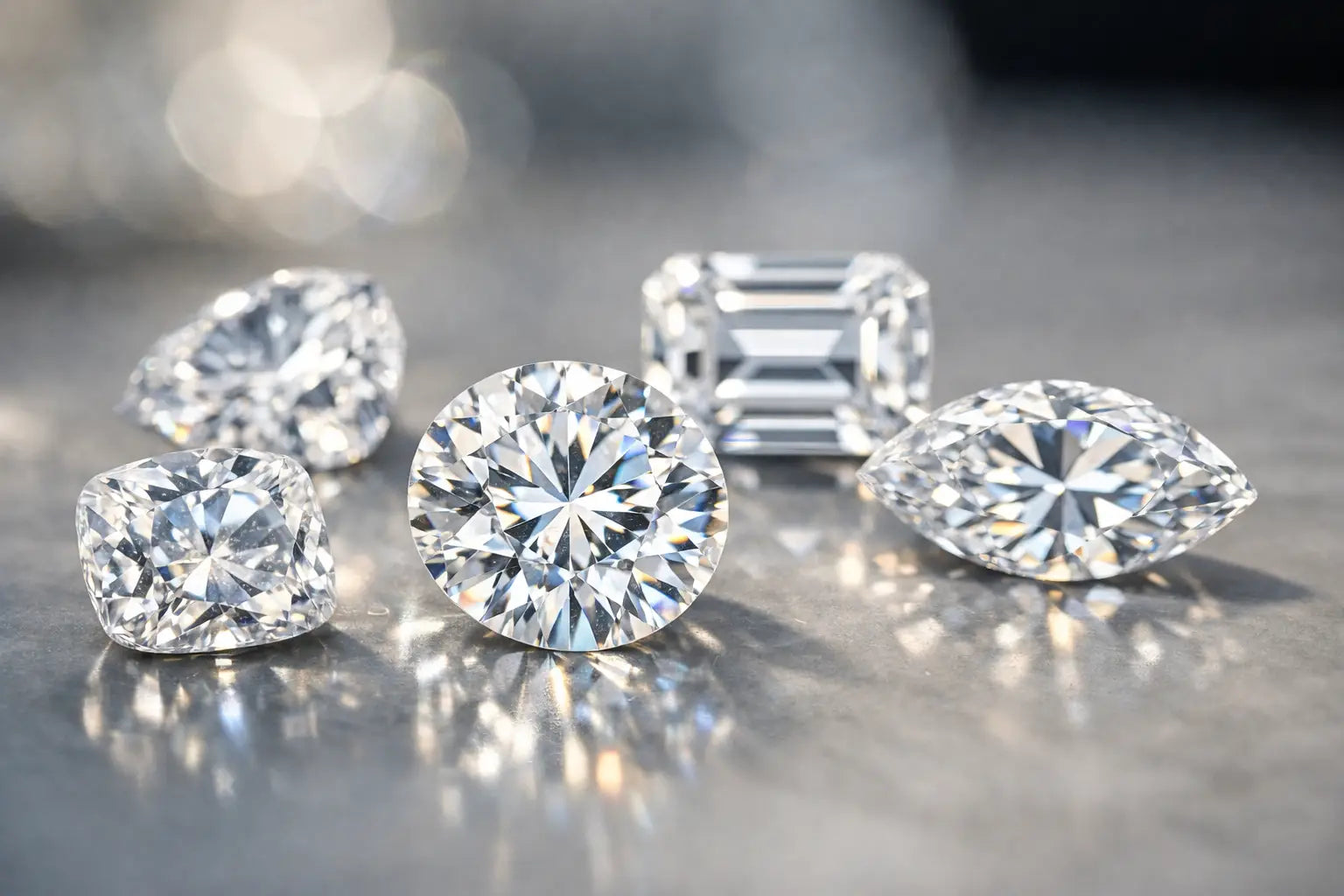
This is uncommon in careful daily wear, but it can happen. A hard strike against a stone countertop, a dropped ring landing just right, or heavy contact during hands-on work can damage the girdle or a pointed corner. Fancy shapes with pointed areas, including princess, pear, marquise, and heart diamonds, may need a little more protection than a round brilliant diamond.
That does not make those shapes impractical. It simply makes setting design more meaningful. V-prongs can shield exposed points, while bezel or halo settings can add coverage around the edge of the diamond.
How Setting Choice Affects Lab Diamond Durability
For most owners, the setting is the part of a diamond ring most likely to need maintenance. Prongs can catch on fabric, gradually shift over years of wear, or loosen after an impact. A loose diamond should be addressed promptly, whether it is lab-grown or mined.
A classic four-prong solitaire gives a diamond maximum light exposure and a timeless look, but the stone’s sides are more exposed. Six prongs add an extra measure of security, particularly for an everyday engagement ring. A bezel setting surrounds all or most of the diamond’s perimeter with metal, offering one of the most protective options for active lifestyles.
Your metal choice matters, too. Platinum is dense and durable, and its metal tends to move rather than wear away when scratched. Gold is a beautiful, traditional choice available in several colors, but it can show surface marks over time. The karat affects the balance: 14K gold is typically harder and more practical for frequent wear, while 18K gold has a richer gold content and a slightly softer feel. Neither choice is universally better. The right one depends on your design preferences, budget, and everyday routine.
For pavé bands, side stones, and intricate custom details, quality craftsmanship is just as important as the center diamond. Fine jewelry should feel secure and comfortable, not sharp, snag-prone, or overly delicate for the way you plan to wear it.
Everyday Habits That Protect Your Diamond Jewelry
You do not need to treat diamond jewelry like it belongs behind glass. Wearing it is part of the pleasure. A few practical habits can reduce unnecessary risk and preserve the setting’s finish.
Remove rings before weight training, gardening, moving furniture, or doing work where your hands may take repeated impacts. Take them off before swimming as well. Cold water can make fingers temporarily smaller, increasing the chance of a ring slipping away, while pool chemicals can be hard on precious metals over time.
It is also wise to remove diamond jewelry before applying lotions, sunscreen, hair products, or cleaning solutions. These products do not harm the diamond itself, but they can leave a film that dulls its sparkle and build up around prongs. Chlorine and harsh household chemicals may affect metal alloys, especially with repeated exposure.
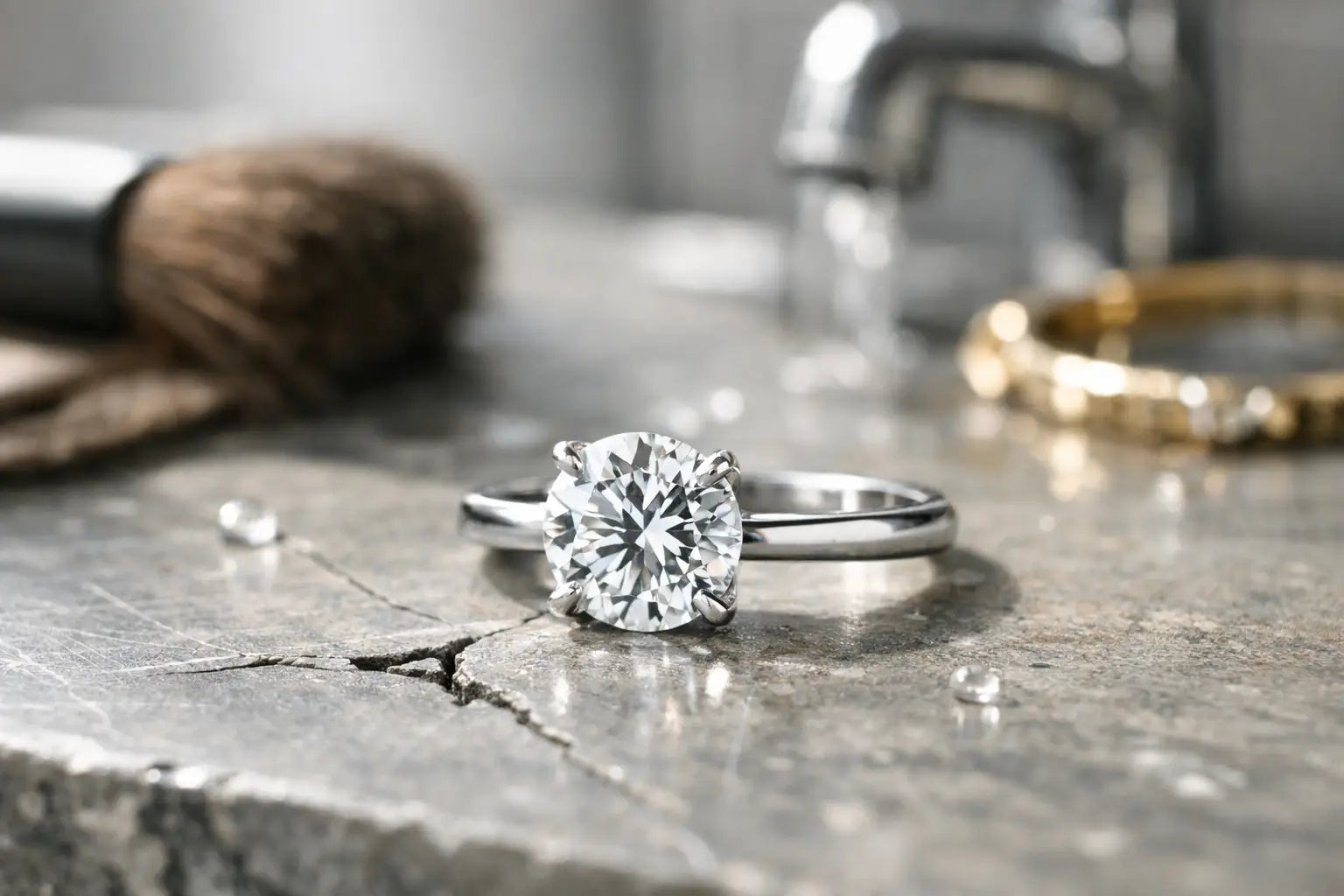
When you take a ring off, place it in a dedicated soft pouch or lined jewelry box rather than setting it on a sink edge or tossing it into a mixed jewelry dish. Diamonds can scratch other gemstones and metal surfaces. Keeping pieces separated protects the entire collection.
Cleaning Keeps Brilliance Visible
A diamond that looks less brilliant usually needs cleaning, not replacement. Warm water, mild dish soap, and a soft toothbrush can lift everyday residue from behind the stone and under the setting. Rinse carefully, then dry with a soft, lint-free cloth.
Avoid abrasive toothpaste, powdered cleaners, and stiff brushes. They can scratch metal or leave unwanted residue. Ultrasonic cleaners can be effective for some diamond jewelry, but they may not be suitable for pieces with loose stones, delicate pavé work, or certain gemstone accents. When in doubt, professional cleaning and inspection offer the safest route.
When to Have Your Jewelry Inspected
Fine jewelry benefits from periodic professional attention. For a ring worn every day, an inspection every six to 12 months is a sensible rhythm. A jeweler can check prongs, tighten a stone if needed, inspect the band for thinning, and clean areas that are difficult to reach at home.
Schedule a check sooner if your ring catches on clothing, makes a faint rattling sound, sits differently in its setting, or has taken a hard hit. Do not keep wearing a piece if you suspect the center stone is loose. A quick repair is usually far easier than replacing a lost diamond.
This is particularly worthwhile after resizing. Resizing changes the structure of the band, and a professional inspection confirms that the setting remains secure and proportionate.
Can a Lab Diamond Chip, Crack, or Change Over Time?
A lab-grown diamond can chip or crack under enough force, just like a mined diamond. It cannot turn yellow, become dull at its core, or lose its diamond properties with age. Its brilliance is permanent; the visible difference over time usually comes from residue on the surface or wear to the setting.
A small chip does not always mean a diamond is beyond repair. Depending on its location and size, a skilled jeweler may be able to polish it out, adjust the setting to conceal it, or recommend another solution. Any repair can affect carat weight or proportions, so it should be evaluated carefully before work begins.
Inclusions can also influence durability in specific cases. Most inclusions have no practical effect on daily wear, especially when they are small and well positioned. However, a significant feather near the girdle or a pointed corner may deserve closer consideration in a diamond intended for an active lifestyle. Reviewing the diamond’s grading information and discussing setting options before purchase brings welcome peace of mind.
Choosing a Durable Design Without Sacrificing Style
The most durable ring is not necessarily the heaviest or most covered one. It is the ring designed for the person wearing it. A nurse who removes gloves frequently may prefer a low-profile bezel. Someone who loves a classic, light-filled look may choose a raised solitaire and simply remove it for workouts and hands-on projects. A fashion ring worn occasionally can support more delicate details than a ring that never leaves your finger.
At Eternity LGD, the best custom designs begin with these real-life considerations alongside diamond shape, carat weight, and personal style. A thoughtful setting can protect a lab diamond while allowing its brilliance and individuality to remain front and center.
A diamond is made for a lifetime, but the jewelry around it benefits from mindful wear and occasional care. Choose a design that feels like you, give it a safe place when life gets physical, and let regular inspections keep every meaningful detail secure.